Robbie Thain
Founder, CEO

Discover how to build immersive consumer aesthetics events and retail pop-ups that turn product trial into measurable Return on Investment and pipeline.

A field marketing manager checks their watch at hour four of a weekend pop-up. The booth is packed with people taking free samples. Yet the tablet for lead capture shows exactly zero new names. Traffic without conversion is just expensive noise.
Consumer aesthetics and high-touch retail events are shifting from passive booths to immersive educational experiences that demand hands-on product testing. This guide outlines how marketing operators can engineer these deep-engagement activations to turn fleeting consumer interactions into measurable sales pipeline.
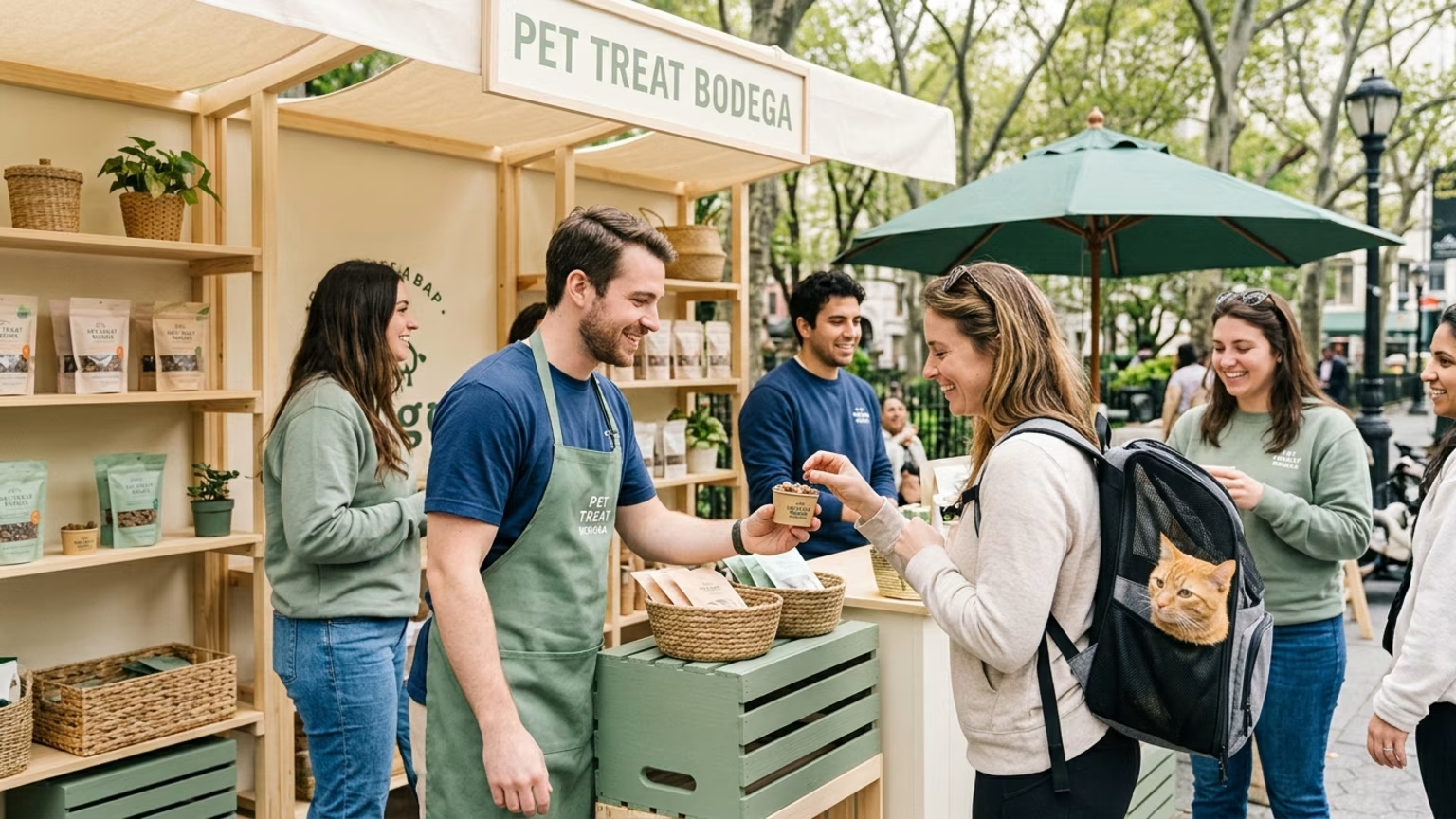
The typical trade show floor or retail pop-up is a battlefield for consumer attention. Most brands show up with a folding table, a branded tablecloth, and a pile of sample packets. People walk by, grab a free item, and immediately forget the brand name. The staff is overwhelmed by the sheer volume of passing foot traffic.
There is no structured flow to pull a curious onlooker into a meaningful conversation. Booth flow is a major failure point for inexperienced field teams. Consumers walk up without knowing where to look or what to do next. They default to grabbing the nearest physical item before walking away entirely.
Staffing inconsistencies plague most retail sampling efforts across the country. Brands often hire temporary workers who have zero emotional connection to the product line. These untrained workers cannot answer basic consumer questions during a live product demonstration. This lack of knowledge instantly destroys the premium brand image you worked hard to build.
Marketing directors often find themselves reviewing post-event reports that look impressive on the surface. They see thousands of samples distributed across a three-day weekend. But when they check the actual retail sell-through or the new customer acquisition data, the numbers fall flat. This chaotic approach burns through marketing budgets without building any real consumer trust.
Marketing operators struggle to link these scattered moments to clear pipeline data. They wish they had better ways to connect event attention to sales pipeline with reliable reporting. A generic follow-up email blast cannot save a poor physical interaction. This lack of personalized context guarantees a low open rate.
The issue compounds when high-value items like aesthetic treatments, premium wellness products, or specialty foods are involved. These premium items require education and trust before a purchase happens. A quick interaction simply cannot bridge the gap between initial interest and a confident buying decision. Brands need a structured physical environment where consumers can learn, test, and commit.
Leading brands are completely changing how they show up in physical retail spaces. The recent launch of interactive consumer aesthetics pop-ups shows a massive shift toward hands-on education. Industry analysts report that these new event formats combine live demonstrations with expert sessions to create deep consumer engagement. They are no longer handing out products to random passersby.
They are inviting consumers to experience the brand fully in a controlled setting. According to Drug Store News, education is the top growth factor for beauty and wellness retail right now. People want to understand how a product works before they spend their hard-earned money. An immersive event strategy builds dedicated zones for learning, trial, and private consultation.
This structured approach reduces consumer hesitation and builds immediate brand credibility. We design mobile activations and roadshows that accelerate consumer trial, build trust, and boost retail velocity during 90-day product launch windows. Our structured approach transforms initial product trial into sustained consumer confidence and retail performance. By integrating expert-led sessions into the physical footprint, we guide consumers from curiosity to purchase readiness.
This strategy relies on capturing attention and offering clear next steps immediately. Instead of hoping a consumer remembers the product later, the activation includes immediate booking incentives. It might offer on-site service credits to close the loop between trial and transaction. When brands build environments that prioritize education, they naturally filter out casual freebie hunters.
They attract the exact target audience that is ready to buy today. An expert session format forces the consumer to stop and listen to the value proposition. This intentional pause is where long-term brand loyalty truly begins. Smart brands know that demo zones and lead capture must work together to maximize conversions.
Executing an immersive educational event requires absolute operational discipline from start to finish. The physical layout, the staffing plan, and the technology stack must work together flawlessly. If any piece fails, the entire consumer experience falls apart rapidly. A proper playbook eliminates the guesswork from your national field marketing strategy.
It aligns your field teams, your retail partners, and your corporate marketing goals. Following a strict protocol guarantees that every dollar spent translates into measurable business growth. Your logistics partners must understand this vision completely. Here is the exact playbook to implement this strategy in a live event setting.
Following these precise steps prevents the chaos that usually ruins live marketing efforts. It gives your field marketing team a repeatable framework for every new market entry. If you want to refine your team execution process further, you can easily scale local brand events and logistics by using this model. A rigid playbook turns a stressful weekend into a predictable revenue stream.
Brands cannot deposit vanity metrics in the bank at the end of the quarter. You need to track hard data to prove actual Return on Investment to executive leadership. The best field marketing operators separate their reporting metrics into leading indicators and lagging indicators. This split gives a clear picture of immediate engagement and long-term business impact.
Lead metrics tell you exactly how well the event is performing in the moment. Track the number of qualified conversations, not just the total booth visitor count. Monitor the specific conversion rate of passing foot traffic into active product trials. You must measure the immediate redemption rate of on-site service credits or event-specific promotional codes.
Lag metrics reveal the true financial value of the campaign after the event ends. Look closely at the thirty-day retail sell-through velocity in the local activation market. Track the lifetime value of customers acquired during the pop-up compared to standard digital channels. This hard data proves that your physical activations are generating actual pipeline.
A clear measurement framework requires strict customer relationship management integration. Event leads should route instantly to your sales team with detailed interaction notes. Data from eMarketer shows that younger demographics strongly favor physical stores over ecommerce for brand discovery.
This preference makes in-person tracking even more critical for accurate future revenue modeling. By focusing on these numbers, you can easily prove retail sampling performance beyond basic headcount. Every interaction must tie directly to an eventual sale.
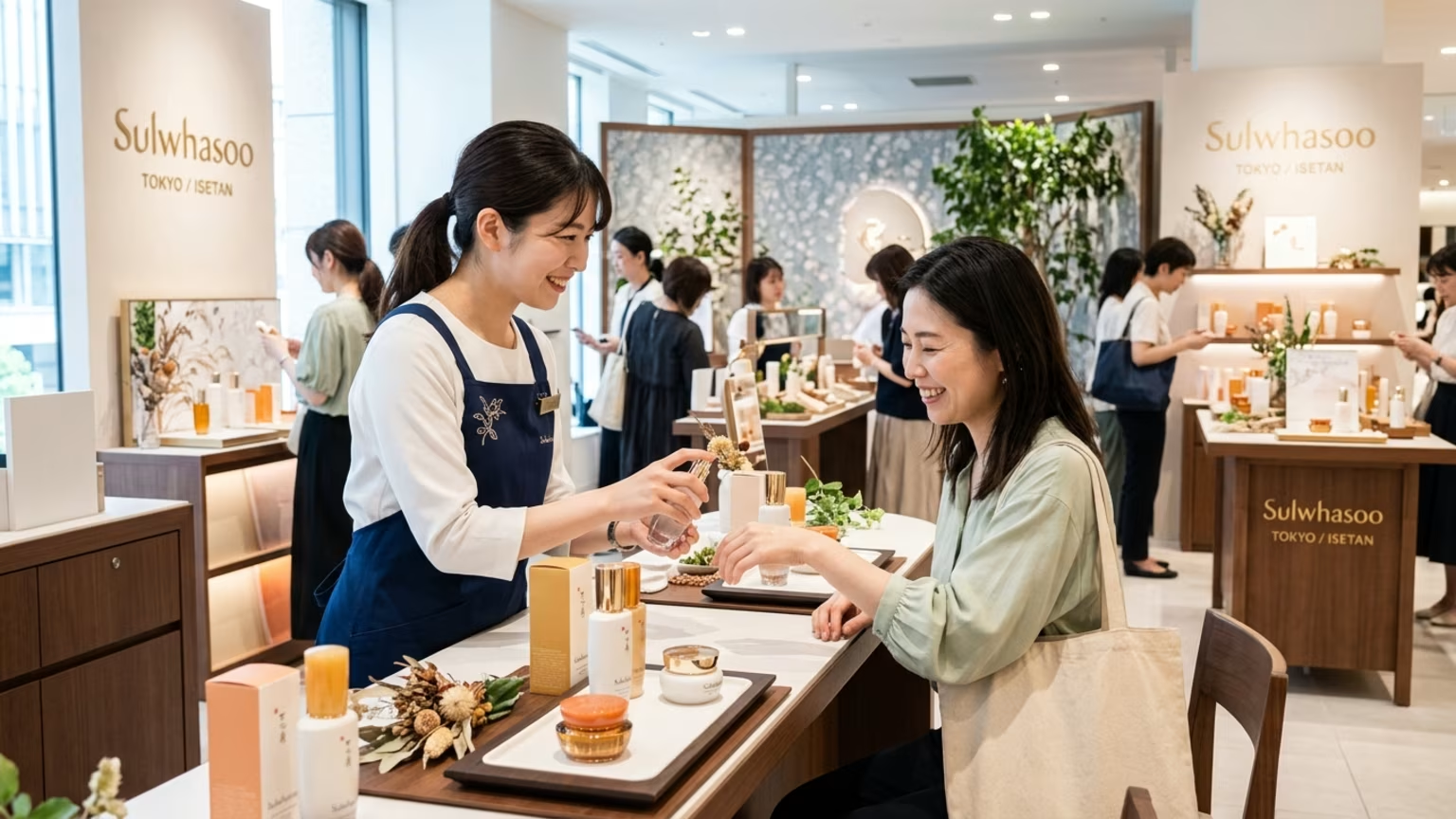
The consumer aesthetics industry recently demonstrated this immersive model perfectly with high-end wellness pop-ups. Brands partnered to create multi-sensory event spaces for their exact target market. Consumers could attend expert panels, receive personalized skin assessments, and test products directly. By offering service credits right at the point of trial, they drove massive immediate engagement.
These events turned a typically clinical experience into an accessible consumer retail moment. Participants walked away with a deep understanding of the treatments and a financial incentive to book immediately. This precise formula works just as well in the premium food and beverage sectors. Consider the recent national sampling tour executed by Mutti pasta sauce.
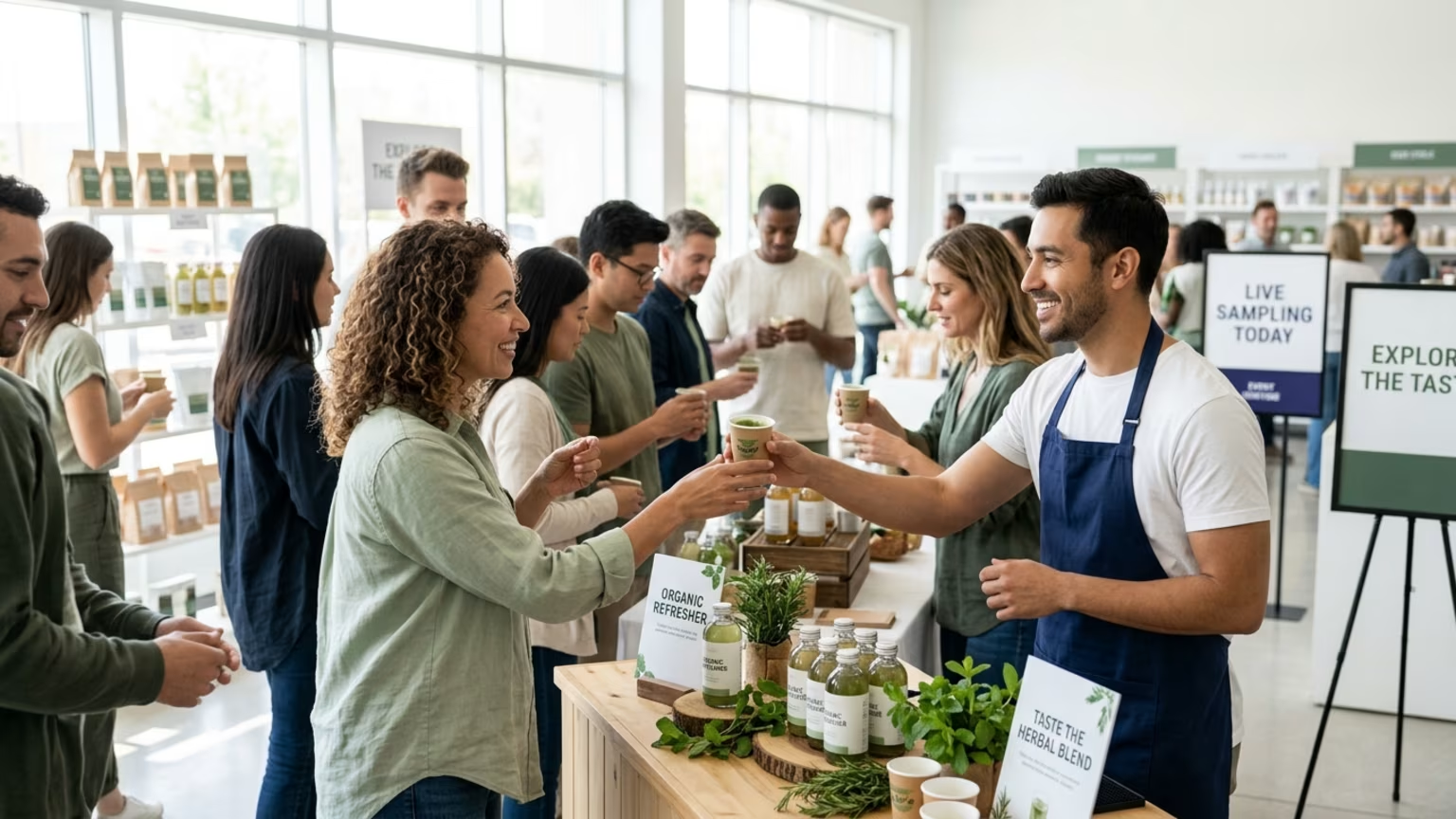
Retail Times reported that the brand hit the road with a fully branded mobile kitchen. They did not just hand out cold jars of sauce to passing shoppers outside the grocery store. Instead, they offered hot, chef-prepared meals to prove the superior product quality. The activation paired this high-end tasting experience with clear education about their specific tomato sourcing methods.
This hands-on trial created a powerful emotional connection with the target audience right on the street. It naturally led to increased retail purchases in the surrounding grocery locations. The brand managed to turn a simple food sampling event into a masterclass in product education. They captured consumer attention and immediately directed it toward the retail shelf.
This level of execution requires flawless back-end technology to track consumer behavior. Every single sample distributed must tie back to a specific regional sales goal. Marketing operators cannot rely on guesswork when deploying massive experiential budgets. They need hard evidence that their physical events are moving product off retail shelves.
Whether you are selling high-end skincare or premium grocery items, the mechanics of human behavior remain the same. People need to touch, taste, or feel the quality before they switch from their default brand choices. A disciplined event framework makes that transition easy for the consumer. It removes the friction from the buying process entirely.
Physical brand experiences are no longer optional for companies that want serious market share. They are the absolute most direct path to earning authentic consumer trust. A well-executed event cuts through the digital noise and delivers pure product validation.
Marketing teams must stop wasting money on booths that only generate empty foot traffic. You need an operational partner that understands the science of real-world conversion. Book a strategy call with our team to map out your next high-converting brand activation.
Start by auditing your current field marketing plan today. Look closely to see if you are prioritizing real consumer education over simple product giveaways. Making that single shift will completely change your retail pipeline trajectory.

30 Years Experiential & Retail Activation Partner for CPG & Beverage Brands | Multi-Market Demos, Roadshows & Costco/Club Programs That Actually Sell