Robbie Thain
Founder, CEO

Transform chaotic street events into measurable pipeline. Learn how location analytics and lead capture tech maximize ROI and prove retail sell-through.
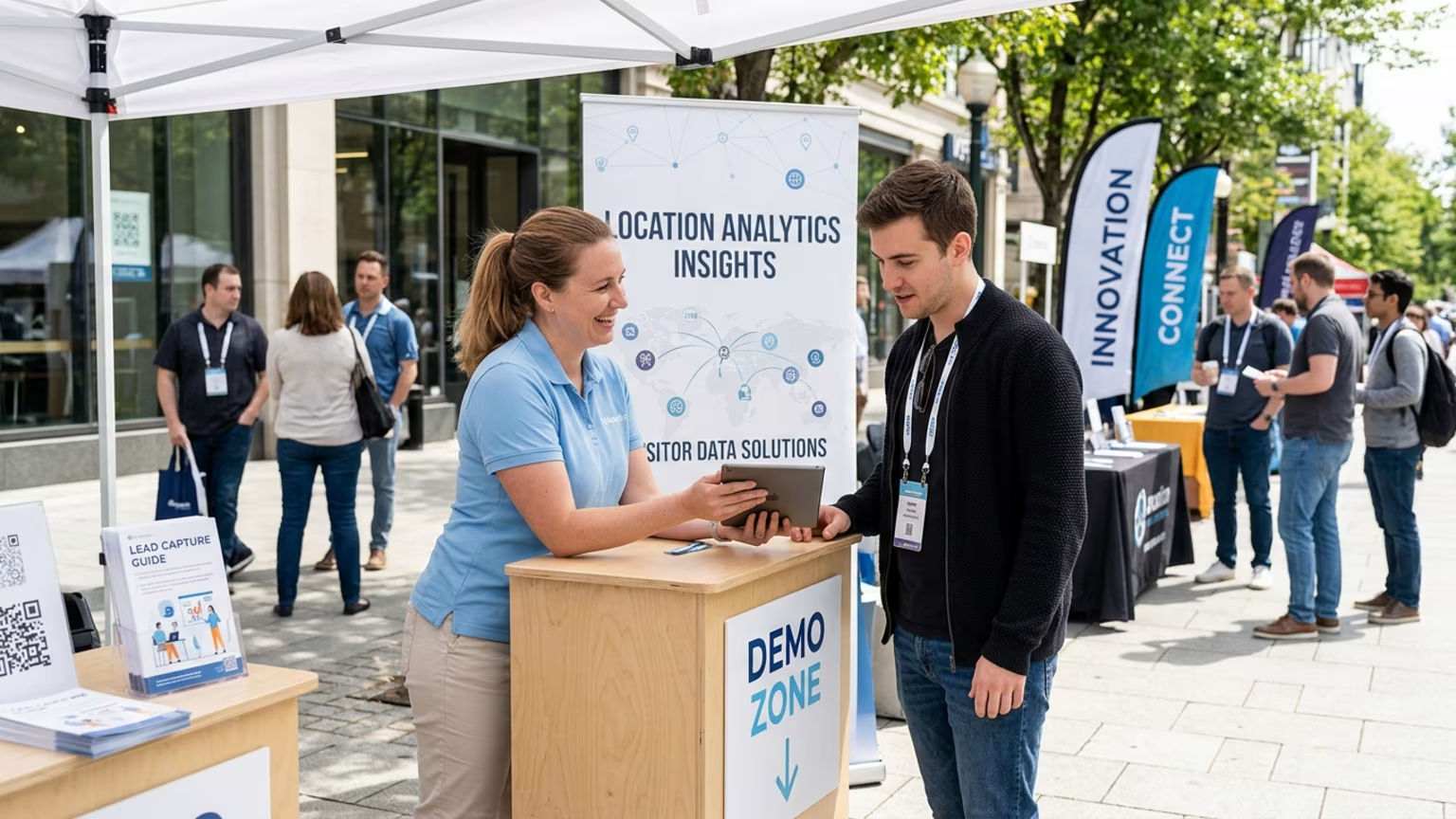
Industry analysts report that up to eighty percent of event leads go unused without rapid processing, turning massive marketing investments into wasted pipeline potential. Combining location analytics with scannable technology turns chaotic post-trade-show street activations into highly measurable lead capture engines.
Moving from a controlled convention center to a live street event introduces immediate operational chaos. Field marketing teams face unpredictable crowds and fragmented execution environments. First-time exhibitors often misplace demo tables directly in high-traffic paths. This placement inhibits natural conversations and reduces quality interactions drastically.
Crowds push past the activation instead of stopping to interact with the brand. Without a clear spatial plan, field teams watch their carefully crafted brand experiences turn into unmanageable congestion. Urban variables like sudden weather shifts or unpredictable lunch surges easily disrupt basic logistics. Sales leads pile up on clipboards or disconnected iPads during these busy moments.
When delays bury these contacts under post-event obligations, the brand loses retailer confidence and pipeline velocity. Experiential marketing must operate with the precision of a high-performance sales machine. Relying on gut feelings for booth placement leads to missed opportunities and wasted staffing budgets. A poorly designed street footprint creates confusion for both the consumer and the brand ambassador.
The resulting data gap makes it impossible to prove any real Return on Investment to senior leadership. Marketing operators need predictable systems to turn street footfall into measurable business outcomes. The transition from trade show hype to actual retail sell-through requires rigorous tactical planning. Brands that fail to adapt their capture methods will face slashed field marketing budgets.
Visitors decide whether to engage with an activation space in just a few seconds. Modern experiential operations use AI-driven layout optimization to simulate visitor flows before deployment. Planners map out entry points, product display zones, and lead capture stations based on historical data. This strategic placement prevents bottlenecks and guides consumers naturally toward high-value interactions.
Interactive features like touch screens and VR demos capture attention and extend dwell time. Research from Infinity Exhibits shows that people remember hands-on experiences better than passive viewing. Brands must place these interactive demo points in areas protected from aggressive foot traffic. Creating dedicated interaction zones allows ambassadors to have meaningful conversations with potential buyers.
According to Audie Expo, modern exhibits are no longer static displays of corporate branding. Incorporating digital screens and generative AI quizzes shifts the environment from a static booth to a dynamic experience. These tools generate the exact data required to measure campaign success accurately. By tracking every screen tap, operators can identify which messaging drives the highest consumer interest.
Street activations require a different analytical approach than standard indoor conventions. Location analytics allows brands to mirror convention peaks and deploy resources exactly when needed. By tracking spatial movement, teams can identify the highest dwell time zones within their footprint. This data dictates where to place high-value assets like product samples and dedicated sales reps.
Capturing consumer attention is only the first phase of a successful experiential campaign. The immediate next step involves converting that physical interaction into a trackable digital footprint. Scannable QR codes and near-field communication tags bridge the gap between street sampling and digital amplification. Placing these tools strategically throughout the demo zone encourages natural consumer participation.
Every scanned code provides a timestamp and a geographical marker for the marketing team. This immediate data flow feeds directly into the corporate CRM system. Rapid digital capture eliminates the manual data entry errors that plague traditional clipboard methods. High-quality leads route to the sales team instantly for immediate follow-up.
Experiential programs must avoid the trap of collecting vanity metrics like sheer foot traffic. Tracking actual coupon redemptions provides a much clearer picture of intent to purchase. Combining location data with scan rates helps managers calculate the true conversion rate of their footprint.
Turning a busy street corner into a high-converting demo zone requires strict operational discipline. Follow this exact execution playbook to capture and process leads efficiently in any urban environment.
Experiential investments require hard data to justify field budgets to senior leadership. Track specific lead metrics like total QR scans and direct coupon redemptions during the activation. Monitor lag metrics such as shelf movement and regional retail sell-through following the event. Linking physical interactions to digital actions helps marketing operators clearly define their sales lift.
We provide clear reporting on reach, trials, leads, and sales to guide next steps in campaign optimization. Our measurement approach tracks awareness, engagement, and conversion, turning brand moments into actionable data that demonstrates business impact. When you combine rapid follow-up with solid data, leaders building the business case for experiential data can clearly define their true impact.
According to event staffing guides, convention traffic drops sharply in the last hour. Managers must use location analytics to predict similar drop-offs during street campaigns. Cutting labor costs during these predictable lulls improves the overall cost per acquisition. Teams can evaluate their Costco roadshows planning strategy using these exact same analytical efficiency models.
Speed of follow-up directly correlates with much higher conversion rates across the board. Integrating targeted event offers with automated email campaigns pushes interested consumers directly toward retail locations. This lead quality guide shows how improving digital conversions depends heavily on this rapid processing timeline. Marketing teams must hold their field staff accountable for these strict digital timelines.
A premium snack brand recently moved from a national food expo to a regional street tour. They used location analytics to mirror convention traffic peaks in busy downtown urban environments. The field team deployed scannable coupons and shelf-tracking sensors at their high-traffic street zones. This analytical setup allowed them to track direct conversions from physical product trials to local retail purchases.
The integration of interactive touch screens increased their average consumer dwell time significantly. This longer engagement window improved their Net Promoter Score and gave brand ambassadors time to qualify leads. By prioritizing rapid data capture, they processed every sample recipient into their digital funnel immediately. The campaign successfully shifted initial consumer curiosity into measurable and repeatable retail sell-through.
Deploying variable staffing models saved the brand thousands in wasted labor costs. They concentrated their best brand ambassadors during the verified lunch rushes based on predictive data. During the afternoon lulls, they relied on automated QR stations to capture passive interest. This hybrid approach maximized their pipeline velocity without burning out their field marketing staff.
Learning from initial trade show mistakes, they repositioned their demo tables away from chokepoints. This simple layout adjustment created natural open spaces for deeper consumer interactions. The resulting data proved a direct sales lift to the skeptical executive team. The entire activation transitioned from a standard sampling effort into a highly targeted revenue engine.
Supporting a tech-heavy street activation requires meticulous backend logistical planning. Shipping fragile touch screens and VR headsets demands specialized transport and secure storage solutions. Field teams must have contingency plans for power failures or internet connectivity drops during peak hours. A beautifully modeled AI layout fails immediately if the lead capture iPads cannot connect to the cloud.
Partnering with an experienced operational team guarantees your interactive assets arrive safely and on time. We manage the storage, tracking, and delivery of all event gear nationwide. Keeping every activation strictly on schedule requires a unified approach to physical logistics. When the gear works flawlessly, the field staff can focus entirely on driving consumer engagement.
Properly storing and maintaining these technological assets extends their useful lifespan across multiple campaigns. Routine software updates and hardware checks must happen between every single post-trade-show event. Relying on an organized warehousing system prevents last-minute panics on the street corner.
Relying entirely on digital simulations can create unexpected blind spots during live events. Real-world conditions often diverge from pristine AI models driven by unpredictable pedestrian habits. Street events lack the controlled entry gates and strictly scheduled sessions of a standard trade show. Operators must empower their field managers to adjust the footprint layout dynamically on the fly.
If a designated interaction zone becomes too congested, the team must physically shift the traffic flow. Moving a secondary sample display just ten feet can instantly relieve a major pedestrian chokepoint. Marketing leaders should view their initial location analytics as a strong baseline rather than a rigid law. Flexibility combined with real-time data tracking creates the most resilient experiential campaigns.
Consistent training guarantees that brand ambassadors understand the logic behind the layout strategy. Staff members who understand the analytical goals will naturally guide consumers toward the lead capture stations. Educated field teams actively contribute to data collection instead of just handing out free product samples. This level of operational alignment turns a basic street team into a sophisticated field marketing unit.
Leaving eighty percent of captured leads to expire is a massive operational failure. Applying advanced location analytics and strict lead capture protocols transforms a chaotic street activation into a predictable revenue generator. Using AI universal lead capture for event ROI creates a direct bridge between physical moments and digital conversions.
Every street corner holds the potential to become a highly targeted, high-converting retail demo zone. You can measure exact consumer movements, prove your retail sell-through, and build genuine brand loyalty. A disciplined approach to layout design and rapid follow-up guarantees your marketing budget actually performs. Book a strategy call today to design an experiential campaign that turns brief encounters into lasting pipeline value.

30 Years Experiential & Retail Activation Partner for CPG & Beverage Brands | Multi-Market Demos, Roadshows & Costco/Club Programs That Actually Sell