Robbie Thain
Founder, CEO

Learn how to connect CPG product sampling directly to retail purchase outcomes. Review measurement tactics, baseline planning, and methods to track sales lift.
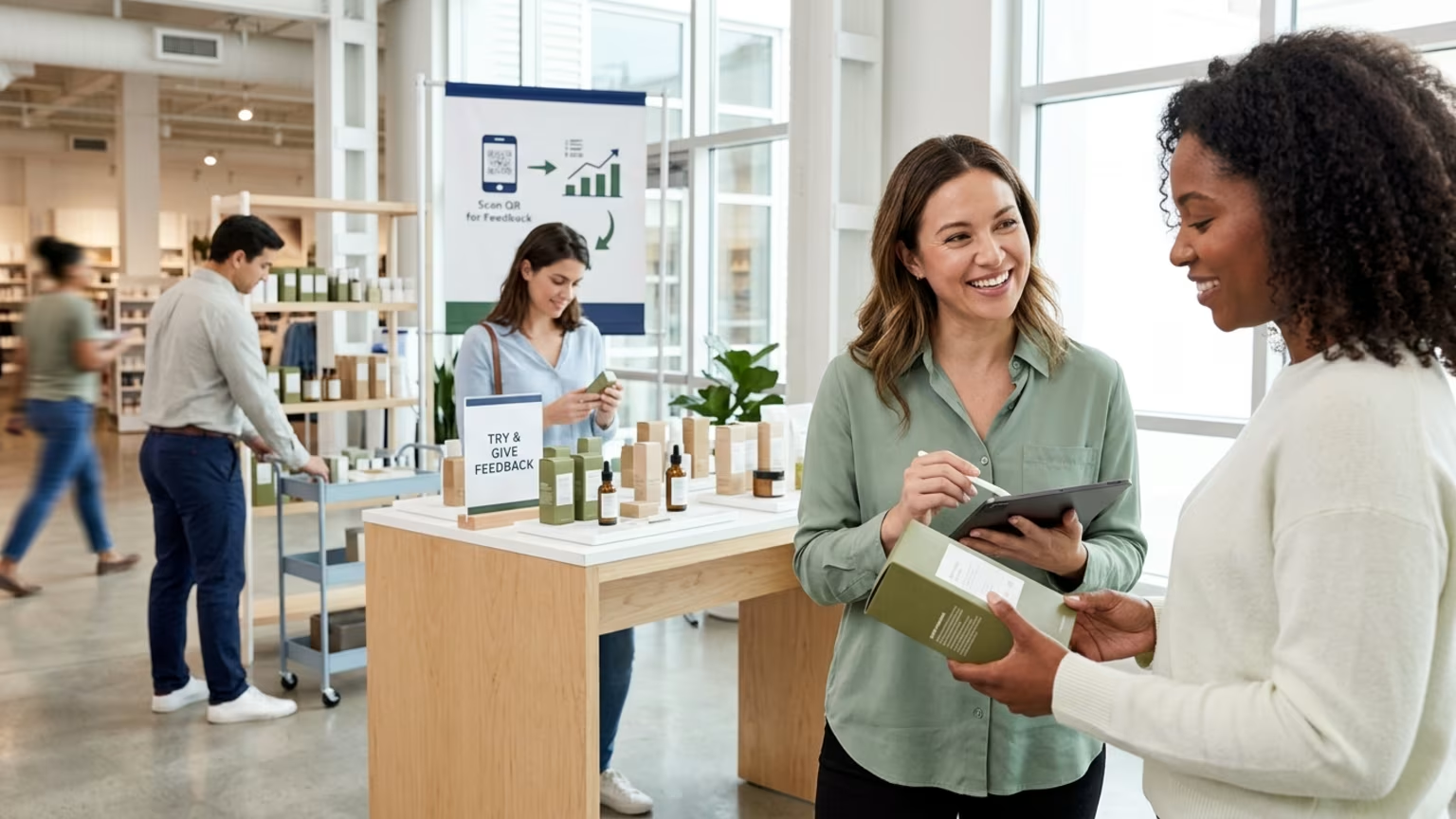
The unglamorous prep work dictates whether a field program produces measurable pipeline. Brand teams must secure permitting, define CRM routing setups, and coordinate vehicle staging long before the first sample is poured. Selecting locations requires matching the product to intended shopper profiles and analyzing the surrounding retail footprints. Measurement coordination with retail partners must happen before launch.
Teams have to agree on participating stores, choose specific products, and arrange access to sales data. At Makai, we handle these logistical realities with strict discipline. We store your sampling product and event gear, then ship, track, and coordinate delivery nationwide so every activation stays on schedule. Structuring retail product sampling programs correctly ensures that field counts actually translate into retail velocity.
Agency research lays out a concrete three-part measurement sequence for field campaigns.
This structured approach requires setting comparison periods and defining consumer segments early. Connecting taste impressions at events with the wider campaign strategy is critical. Using unique QR codes or coupons can lower friction around a first purchase, reducing consumer uncertainty.
Logistical and tracking mistakes often ruin otherwise successful mobile sampling programs. Brands frequently lose leads on bad clipboards or underestimate crowd flow at major events. They also confuse raw sample distribution counts with completed trials or verified purchases.
A rise in retail velocity after sampling is just a correlation without a proper control group. Store-level sales movement requires careful interpretation rather than assumed direct attribution. Assuming that one street-level interaction caused one direct purchase is a common measurement error. Pre and post comparisons must also be adjusted for typical retail seasonality and market trends.
Documented campaign claims show how structured trial impacts downstream retail performance. Industry agency data reports a two-week New York beverage campaign that distributed 49,000 samples across six daily locations. This activation generated 3,400 social posts and reported a 28% increase in retail velocity in the four weeks after the campaign. The same sources report a $62,000 campaign cost and a $1.19 cost per verified trial.
First-hand execution yields similar concrete tracking results. We managed a four-week, multi-market Costco roadshow program for Pulmuone's PlantSpired line. The program delivered more than 65,000 samples and recorded an 18 percent sold-to-sale rate. This gives us a concrete example of how structured retail sampling connects physical trial directly with retail purchase.
The work does not end when the brand ambassadors leave the floor. Marketing teams must watch how retail velocity trends in the weeks following the activation. Compare those downstream sales metrics against the control markets established during the pre-brief phase. Tracking repeat purchase behaviors and ongoing retailer confidence determines the true Return on Investment of the campaign.
Designing CPG trial events that produce verifiable retail performance requires precise operational control. Makai manages the complex logistics and rigorous physical execution needed to fix the difficulty measuring real ROI from live events. We plan and manage trade show spaces that attract attention, start conversations, and convert visitors into customers.

30 Years Experiential & Retail Activation Partner for CPG & Beverage Brands | Multi-Market Demos, Roadshows & Costco/Club Programs That Actually Sell