Robbie Thain
Founder, CEO

Compare trade shows by audience fit, channel relevance, timing, full cost, and measurement readiness with a practical CPG event scorecard.

For experiential Return on Investment, a disciplined no can be worth more than a crowded booth.
A published trade-show measurement guide summarizing CEIR research reports that U.S. exhibitors spent just over $30 billion in direct trade-show costs in 2024. Exhibit space accounted for 40.5% of that spending. The reported cost categories also included staff and show services alongside exhibit design and shipping.
That spending picture makes the booth fee an incomplete starting point for event selection. The useful comparison is the full participation cost against the business opportunity each show offers.
The same guide summarizes Freeman’s 2025 research with findings that support the relevance of physical product experiences:
For a CPG team, those findings support evaluating access to product interaction and knowledgeable conversation. A show should offer more than people walking past a logo. It should provide a setting suited to the interaction the growth plan requires.
These figures come through secondary summaries. The spending share is an aggregate rather than an event-specific price. The attendee findings describe reported perceptions rather than attributable sales. Use them to inform selection rather than establish a universal ROI benchmark.
For a VP of Marketing managing separate event and retail activation budgets, the practical implication is to compare opportunities against a shared business objective. Otherwise, each budget line can look reasonable without showing how the pieces serve the same growth priority.
Start with the job the investment must do. Is the priority retailer access? Product trial? Distributor relationships? A launch that needs both buyer conversations and consumer participation should name those outcomes separately.
The measurement guide distinguishes financial ROI from “return on objectives.” The latter includes non-financial outcomes such as executive meetings and market intelligence. That distinction gives teams room to value strategic work without labeling every interaction as revenue.
Match the proposed measure to the goal:
At Makai, we specialize in retail demos and product sampling programs alongside roadshows. These programs are designed to drive trial and build consumer relationships while supporting retail velocity across locations. We believe event selection should connect those intended outcomes to the audience a show can actually provide.
Before comparing venues, connect the event goal to a business outcome. That creates a common basis for comparing a trade show with a retail demonstration or mobile tour.
Use the following scorecard as an internal decision aid, not a validated industry predictor. Rate each candidate from 1 to 5 against each criterion. Apply team-agreed weights that reflect the current growth goal and use the same criteria across the shortlist.
Assess whether attendees are the consumers or commercial decision-makers the brand needs to reach. Request an audience profile that describes roles and industries alongside buying influence.
Record the evidence behind the rating. A large attendance claim does not answer whether the right people will be available for the intended conversation.
Assess the event’s connection to the brand’s route to market. Document relevant retailer or distributor presence alongside partner access and consumer participation.
Include planned meetings or activation opportunities where available. The question is whether the event offers access that serves the current channel objective rather than simply providing category visibility.
Compare the event with the launch calendar and account priorities. Include campaign dates alongside product and staffing readiness.
Freeman’s audience research includes evaluation and preparation within its pre-event planning framework. For selection purposes, ask whether the audience and the brand will be ready for the intended interaction at the same time.
Compare space and exhibit costs alongside staffing and travel. Include show services plus graphics and shipping. Add the activation expenses associated with the proposed experience.
The measurement guide recommends evaluating total show costs rather than floor space alone. Record a full-cost estimate for each candidate so a lower booth fee does not become the sole reason for choosing it.
Document the intended outcome and the method for recording it. Include a named owner and baseline alongside the target. Specify the lead or trial capture method plus the follow-up plan and reporting date.
A score should reflect what the team can document before approval. Keep assumptions visible rather than allowing an attractive event description to stand in for evidence.
After scoring, compare the underlying evidence as well as the weighted totals. Before approving spend, write down the primary objective and target outcome alongside the full-cost estimate and measurement plan. The scorecard supports that discussion; it does not replace it.
The survey findings point toward a practical planning priority: give product interaction and informed conversation a defined role in the experience. For CPG teams, our recommendation is to preserve the connection between why an event was selected and what the field team is there to accomplish.
If the show was chosen for commercial access, define qualified conversations and intended follow-up before participation. If the goal is product experience, define the trial or demonstration and its appropriate next response. Avoid asking a distribution count to answer a pipeline question.
This logic also applies when extending the program into mobile tours or retail demos. Makai’s mobile sampling tours bring products directly to audiences for trial and awareness. Our retail demonstrations use trained brand ambassadors for real conversations and product trials. Those formats should be assessed against their intended contribution rather than treated as interchangeable stops.
For a mobile tour supporting a launch, the comparison should address audience access and business timing. For a retail demonstration, it should address shopper relevance and the intended response to trial. Both belong in the same planning conversation as the trade show’s full cost and business objective.
Execution then needs to preserve those distinctions across locations. Planning for consistent delivery across field teams keeps the operational discussion connected to the experience being funded. The point is not to make every activation identical. It is to keep each format accountable to its stated purpose.
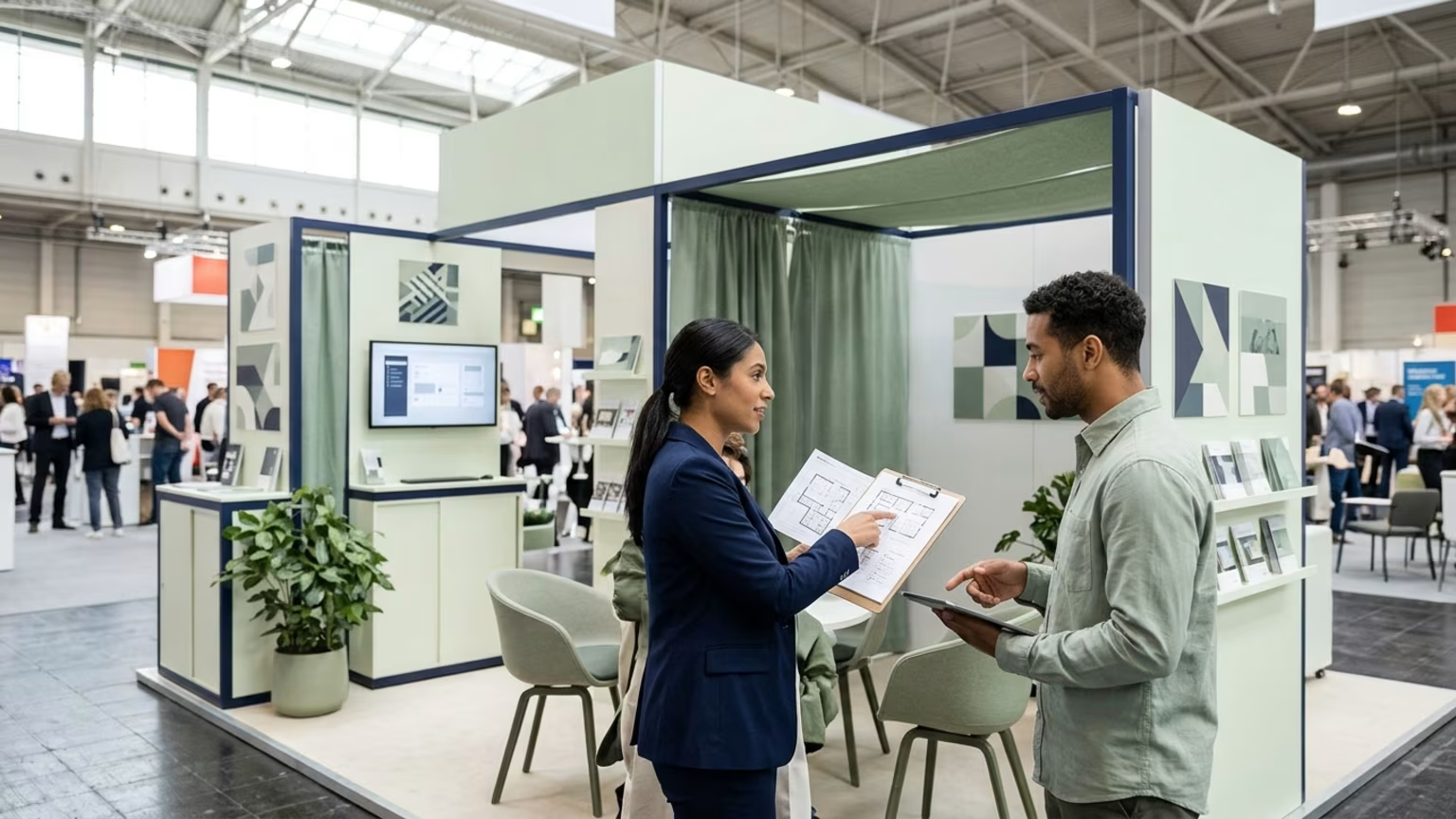
At Natural Products Expo West 2025, we designed and managed a 40 by 20 foot trade show environment for Glanbia. The space brought think!, Isopure, Optimum Nutrition, and Amazing Grass into one coordinated environment.
Our team handled concept and operations alongside staffing and breakdown. Across the activation stations, more than 14,000 recorded product samples were distributed.
For this discussion, the useful lesson is the unit of measurement. That figure describes product distribution across the activation. It does not establish qualified pipeline or retail sell-through.
A marketing leader can use a clearly labeled output like that to understand what was delivered. The growth evaluation still needs the business objective chosen before participation. Keep the distribution count visible while giving commercial outcomes their own place in the review.
This quarter, adjust the dashboard before expanding the show calendar. Put the selection rationale beside the results so the team can review whether an event delivered the access and outcomes it was funded to pursue.
For each show, bring these items into the same review:
A useful dashboard should separate activity from pipeline value. Choose the next show because its audience and economics fit the growth plan, not because its reputation makes approval easier.
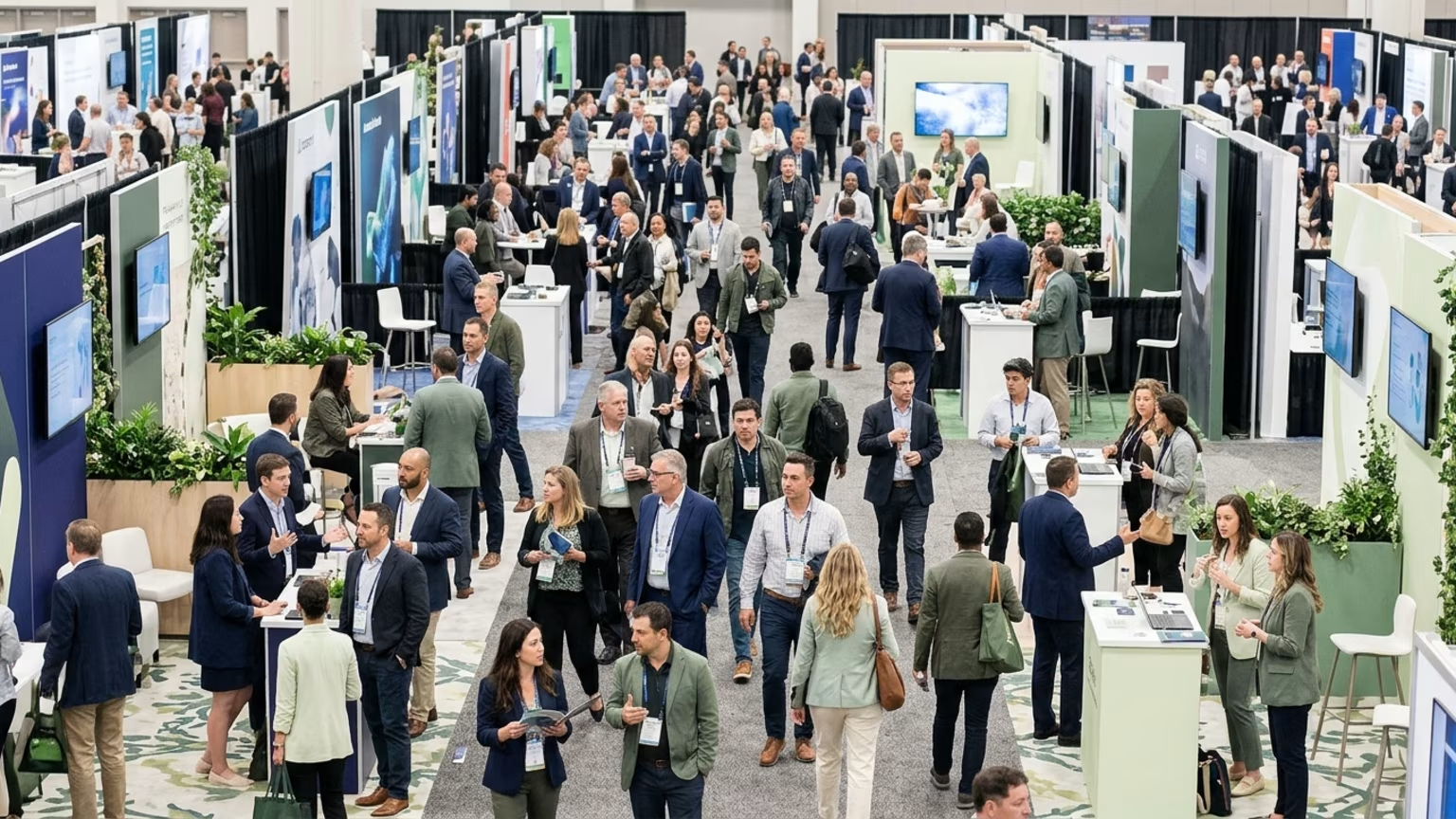
Show selection sets a reach-versus-relevance trade-off; Makai designs consumer events that connect brands and people through interaction, emotion, and engagement. For CPG marketers contending with low-quality leads at crowded shows, Makai’s experiential campaigns and trade show activations are designed to generate qualified leads through face-to-face consumer engagement.

30 Years Experiential & Retail Activation Partner for CPG & Beverage Brands | Multi-Market Demos, Roadshows & Costco/Club Programs That Actually Sell