Robbie Thain
Founder, CEO

Live business conferences in 2026 deliver up to a 60 percent higher lead conversion rate. Learn how to track true pipeline metrics and drive measurable ROI.
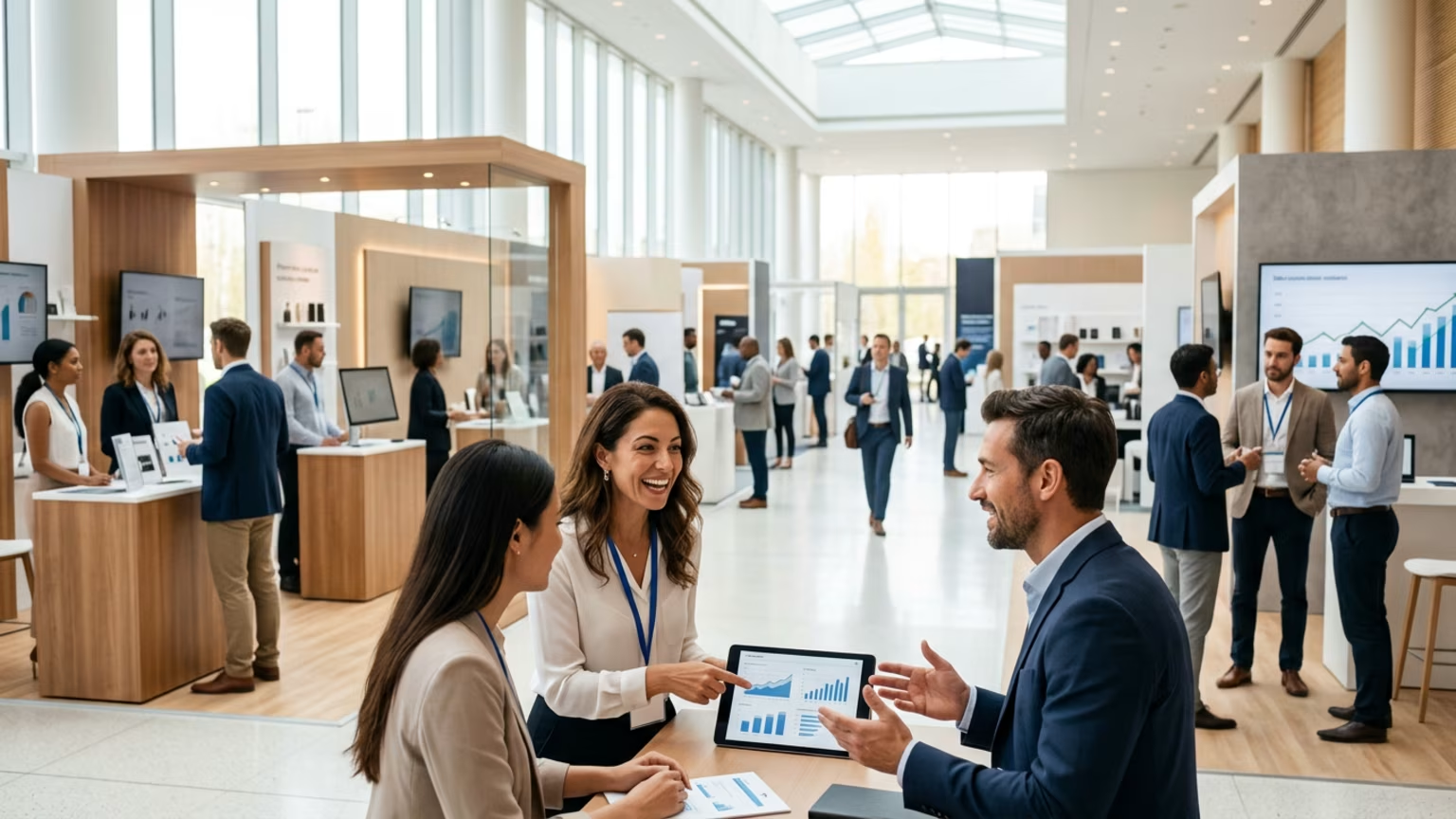
Live business conferences in 2026 deliver up to a 60 percent higher lead to meeting conversion rate compared to their virtual counterparts. Marketing leaders must adopt strict capture workflows and track hard pipeline metrics to turn physical interactions into real revenue.
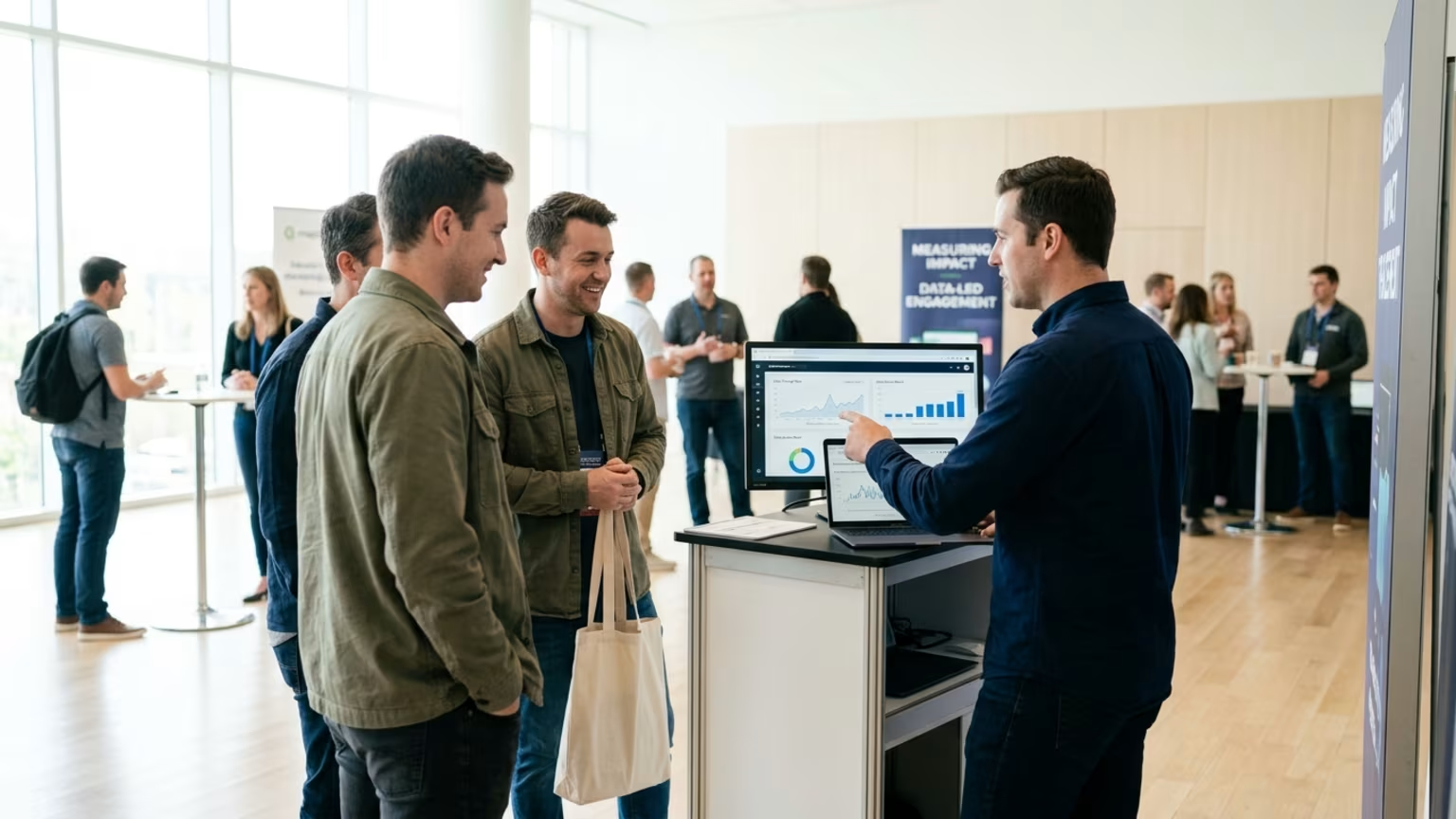
The expo hall hums with a loud mix of sales pitches and clinking coffee cups. Staff members scan badges rapidly as thousands of attendees drift past the booth. A stack of business cards sits disorganized next to a cold beverage. Hundreds of passive interactions happen daily with no clear strategy to track who is actually ready to buy.
This disorganized scene plays out constantly across major trade shows and industry expos. Field marketers spend months planning logistics and designing beautiful booth structures. They invest massive budgets into renting floor space and shipping display materials nationwide. The doors finally open, and the team quickly becomes overwhelmed by the sheer volume of foot traffic.
Teams often confuse busy aisles with successful marketing outcomes. A representative might collect three hundred badge scans in a single afternoon. Most of those scans belong to people looking for free merchandise or quick snacks. The genuine prospects get lost in a massive spreadsheet of unqualified names.
Event logistics often overshadow the actual sales strategy. Teams become so focused on building custom displays that they forget to train their staff on basic sales mechanics. A beautiful booth might attract a massive crowd of curious onlookers. This crowd creates an illusion of success that quickly vanishes when the event ends and no one answers their phone.
Sales teams receive these cold lists weeks later and struggle to book follow up meetings. The lack of immediate context makes it impossible to continue the in person conversation. Marketing directors then face tough questions from leadership about the actual pipeline value generated. The original investment looks incredibly questionable when the final numbers fail to show direct revenue lift.
Modern experiential marketing requires a disciplined framework to separate genuine buyers from casual tourists. The latest industry data shows that live business events create massive opportunities for brands that execute well. Recent industry analysis on B2B event performance indicates that in person events drive an estimated 40 to 60 percent lift in meeting conversions over digital formats. You must build a structured environment that filters and qualifies visitors immediately.
A systematic approach starts by redefining the entire purpose of your booth space. The area should function as a highly tuned qualification engine rather than a simple billboard. Every square foot must serve a precise role in moving a visitor toward a meaningful conversation. This design philosophy prevents your staff from wasting energy on low value interactions.
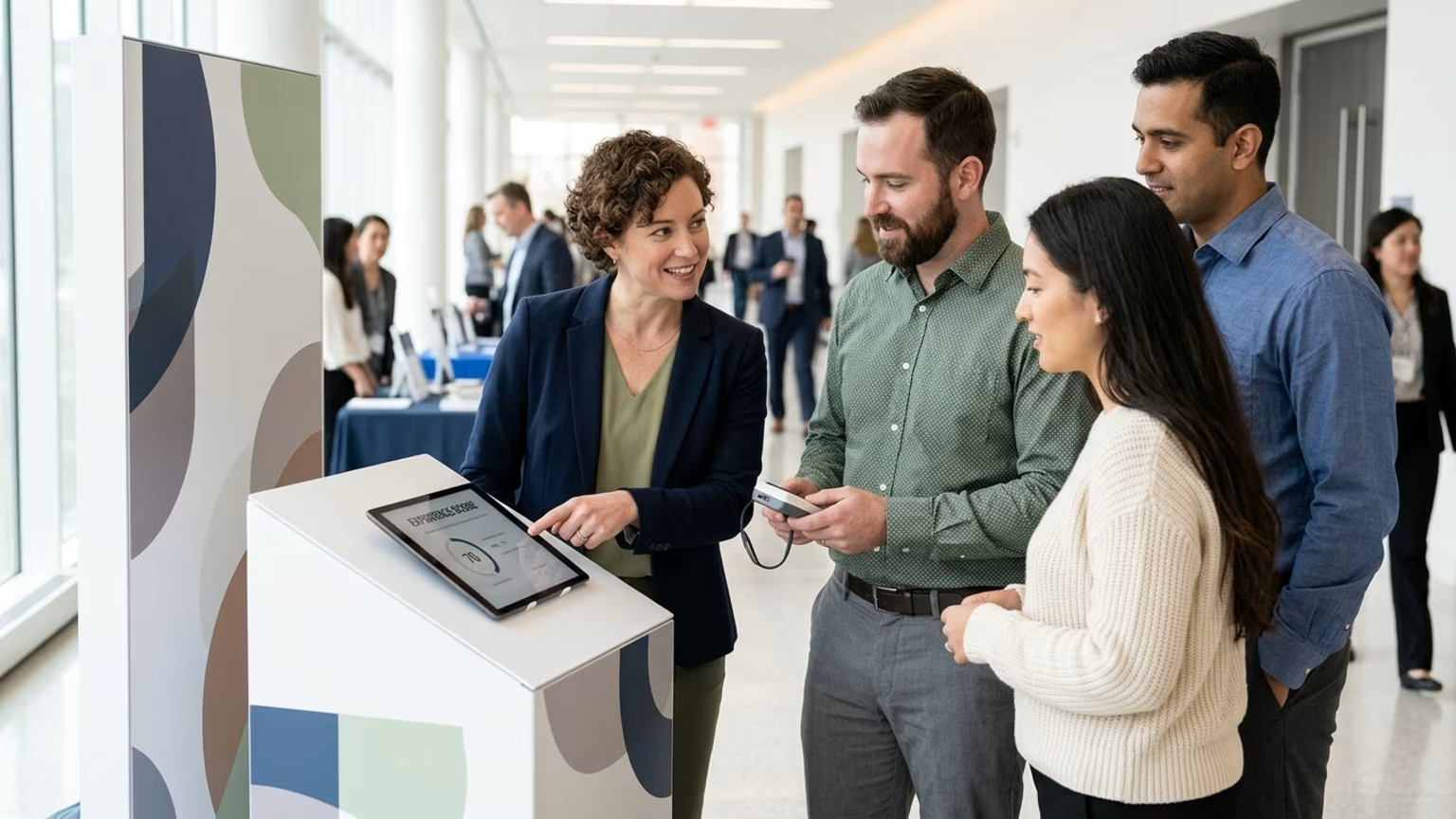
We train teams to implement a tiered engagement strategy across the activation footprint. The outer perimeter serves as an introductory zone where brand ambassadors greet passersby. Visitors who show genuine interest are smoothly guided toward a deeper conversation area. Senior staff members then take over to discuss exact business challenges and product solutions.
This physical funnel mirrors a digital marketing campaign with clear progression steps. It forces your team to qualify prospects before ever pulling out a scanner or tablet. Universal lead capture technologies can then record the exact context of every high value discussion. This documented context gives your sales department the exact ammunition they need to close deals later.
You must view every physical interaction through the lens of data collection. A friendly conversation means nothing if the details never reach your sales pipeline. Modern event software allows your team to map physical interactions directly to digital contact records instantly. This seamless data transfer bridges the gap between the loud expo floor and your quiet corporate sales office.
Marketing leaders must align their field teams with a unified data collection protocol. Every representative needs to ask the exact same qualifying questions during an interaction. This consistency turns scattered conversations into structured data points for your customer relationship management system. You stop hoping for good leads and start manufacturing them systematically.
Executing a flawless trade show strategy requires strict discipline and clear operational guidelines. Your team must know exactly what to do from the moment the doors open until the event concludes. A structured playbook eliminates guesswork and keeps every ambassador focused on pipeline generation. You can transform your next event by following a precise series of operational steps.
This daily rhythm turns a stressful expo presence into a predictable sales engine. Your staff will feel more confident knowing they have a clear process to follow. Marketing managers can actually track progress against daily meeting quotas in real time. The focus shifts entirely from accumulating raw numbers to generating actual business value.
Accountability separates average event teams from exceptional performers. You must assign a dedicated floor manager to monitor conversation quality throughout the day. This manager acts as a traffic controller who prevents junior staff members from getting trapped by unqualified talkers. Maintaining tight control over booth dynamics prevents your most expensive sales talent from wasting their time.
The execution phase is where most brands fail at experiential marketing. They assume that showing up with a nice display is enough to win market share. True professionals treat the event floor like a high stakes performance requiring constant active management. You must coach your team continuously to maintain energy and adherence to the playbook.
Measuring trade show performance solely by foot traffic is a guaranteed path to poor decision making. The volume of people walking past your branded display tells you nothing about financial impact. You need a measurement framework that tracks actual business outcomes and sales velocity. Moving past vanity metrics is the only way to defend your experiential marketing budget.
Start by tracking the total number of qualified meetings booked directly on the floor. This lead metric provides an immediate pulse check on your daily performance and team effectiveness. If you are gathering hundreds of names but booking zero meetings, your qualification process is broken. A high meeting count proves that your brand message is resonating with actual decision makers. Brands can prove retail sampling success or B2B performance using these exact immediate indicators.
Next, you must monitor the total pipeline value influenced by the event over the following quarter. This lag metric connects your physical activation directly to the sales forecasting system. You track how many of those initial meetings progressed into formal proposals or active deals. This data allows you to calculate the true Return on Investment of your event strategy.
Revenue per attendee is another powerful metric that reveals the true quality of your interactions. Divide the total closed revenue from the event by the number of qualified leads captured. A high figure indicates that your team successfully targeted premium buyers rather than general admission crowds. This calculation quickly highlights which specific conferences belong on your calendar next year.
Another powerful metric involves tracking the average sales cycle length for event generated leads. Prospects who engage with your brand in a physical space often close much faster than digital prospects. The tactile experience of a live product demonstration builds immediate trust and accelerates purchasing decisions. Documenting this accelerated timeline proves that premium physical activations deliver superior financial efficiency.
We provide clear reporting on reach, trials, leads, and sales to guide next steps in campaign optimization. Our measurement approach tracks awareness, engagement, and conversion, turning brand moments into actionable data that demonstrates business impact. This level of clarity gives marketing executives the confidence to scale their most successful field programs. You stop guessing which events work and start investing in proven revenue channels.
Transitioning from a disorganized booth presence to a high performing activation requires a mental shift. We recently applied this systematic playbook for a premium beverage brand entering a crowded national expo. The brand previously struggled to measure the impact of their massive product sampling efforts. They handed out thousands of cold drinks but captured almost no actionable buyer data.
Our team redesigned their physical footprint to prioritize retailer conversations over general consumer sampling. We built a dedicated meeting lounge hidden behind the main high traffic sampling counter. Brand ambassadors qualified visitors at the front line and escorted retail buyers into the quiet space. This simple physical separation changed the entire dynamic of their event presence.
The staff used a standardized mobile capture tool to record buyer purchasing timelines and distribution needs. Every regional buyer received a targeted follow up email before they even boarded their flight home. This approach helped the client move from a simple booth neighbor to a true business partner in the eyes of major retailers. The brand booked forty qualified meetings with national chain representatives during a three day show.
The following quarter revealed a massive increase in actual retail sell through and new distribution contracts. The client could trace specific purchase orders directly back to the documented conversations in their meeting lounge. By focusing on conversion over raw popularity, they transformed a costly sampling exercise into a profitable sales channel.
The client stopped viewing their trade show program as a pure brand awareness expense. They began treating every major expo as a dedicated extension of their enterprise sales operation. The marketing team could finally prove their direct contribution to quarterly revenue targets with hard data. This newfound operational confidence allowed them to secure a larger experiential budget for the upcoming fiscal year.
Event marketing does not have to be a blind gamble with your quarterly budget. You can engineer predictable results by applying strict operational standards to every physical activation. If you are tired of collecting useless business cards and want to build real pipeline, it is time to upgrade your approach. Book a strategy call with our team to design an activation that actually converts.

30 Years Experiential & Retail Activation Partner for CPG & Beverage Brands | Multi-Market Demos, Roadshows & Costco/Club Programs That Actually Sell