Robbie Thain
Founder, CEO

Prepare brand ambassadors for retail demos, sampling events and trade shows with consistent product facts, setting-specific practice and clear reporting.
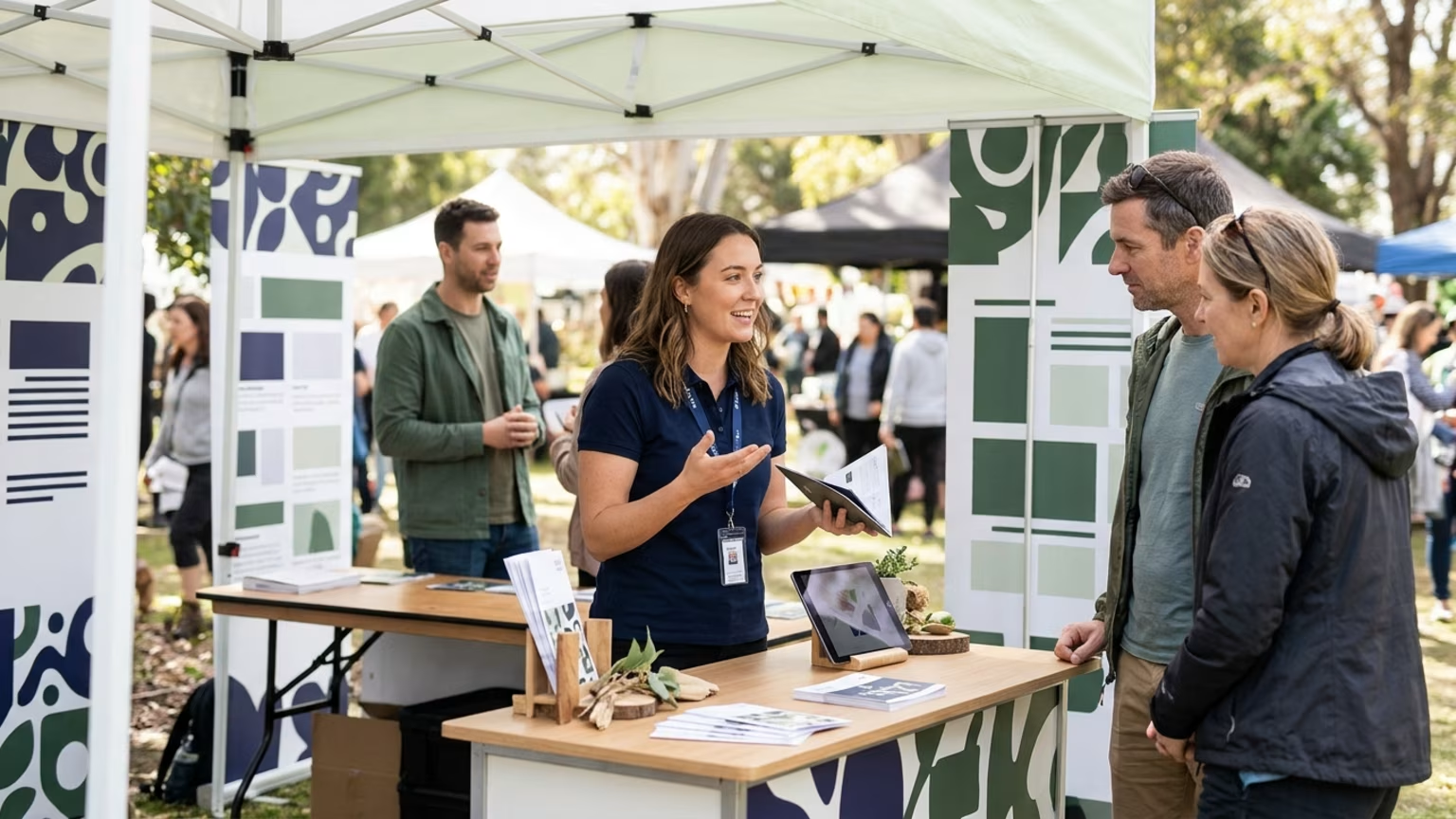
Keep approved product facts and brand voice consistent, then practice how the opening and next action change with the setting. Train toward the activation’s objective rather than a word-for-word performance. The shared message should remain recognizable whether the interaction ends in a product trial, purchase or qualified follow-up.
In Event Marketer’s reporting, GPJ’s Mike Paglia described clients interested in whether stakeholder groups returned to events and what actions they took. The operational tension was connecting attendance with progress toward conversion. That question belongs in the training brief before an ambassador starts rehearsing a pitch.
At Makai, we specialize in retail demos and product sampling programs alongside roadshows that bring brands face to face with their audiences. Those programs are designed to drive trial and build consumer relationships. Our view is that training should protect that human connection while making the intended business outcome clear.
Start with the objective and measurement plan. Event Marketer reports that GPJ recommends aligning stakeholders and selecting key performance indicators before developing the data-capture plan. GPJ says roughly 75% of this measurement preparation can and should happen before an event.
For a marketing leader, that means resolving the brief before asking staff to deliver it:
These decisions belong alongside the broader operating plan for the activation. Makai’s integrated services extend from permitting through CRM reporting. That scope connects the physical event with the commercial handoff without treating either as an afterthought.
We designed and managed a 40 by 20 foot trade show environment for Glanbia at Natural Products Expo West 2025. Our team handled concept, operations, staffing and breakdown. More than 14,000 recorded product samples were distributed across the activation stations.
That count documents sampling activity. It does not, by itself, establish how many qualified leads resulted. The distinction matters when deciding what ambassadors need to understand and report.
The evidence supports operational preparation rather than a proven conversion lift from tailored scripts. It does not specify local permit requirements, technical CRM integration procedures or a tested no-show recovery protocol. The setting adaptations and contingency questions below are planning recommendations, not reported Makai procedures.
Separate the approved message from its delivery. Product facts should not change because the audience changes. The opening question and demonstration can respond to what the person is doing and what they need to know.
A practitioner staffing guide recommends advance briefings and hands-on product practice. It also recommends asking questions to check comprehension rather than assuming a distributed brief has been understood.
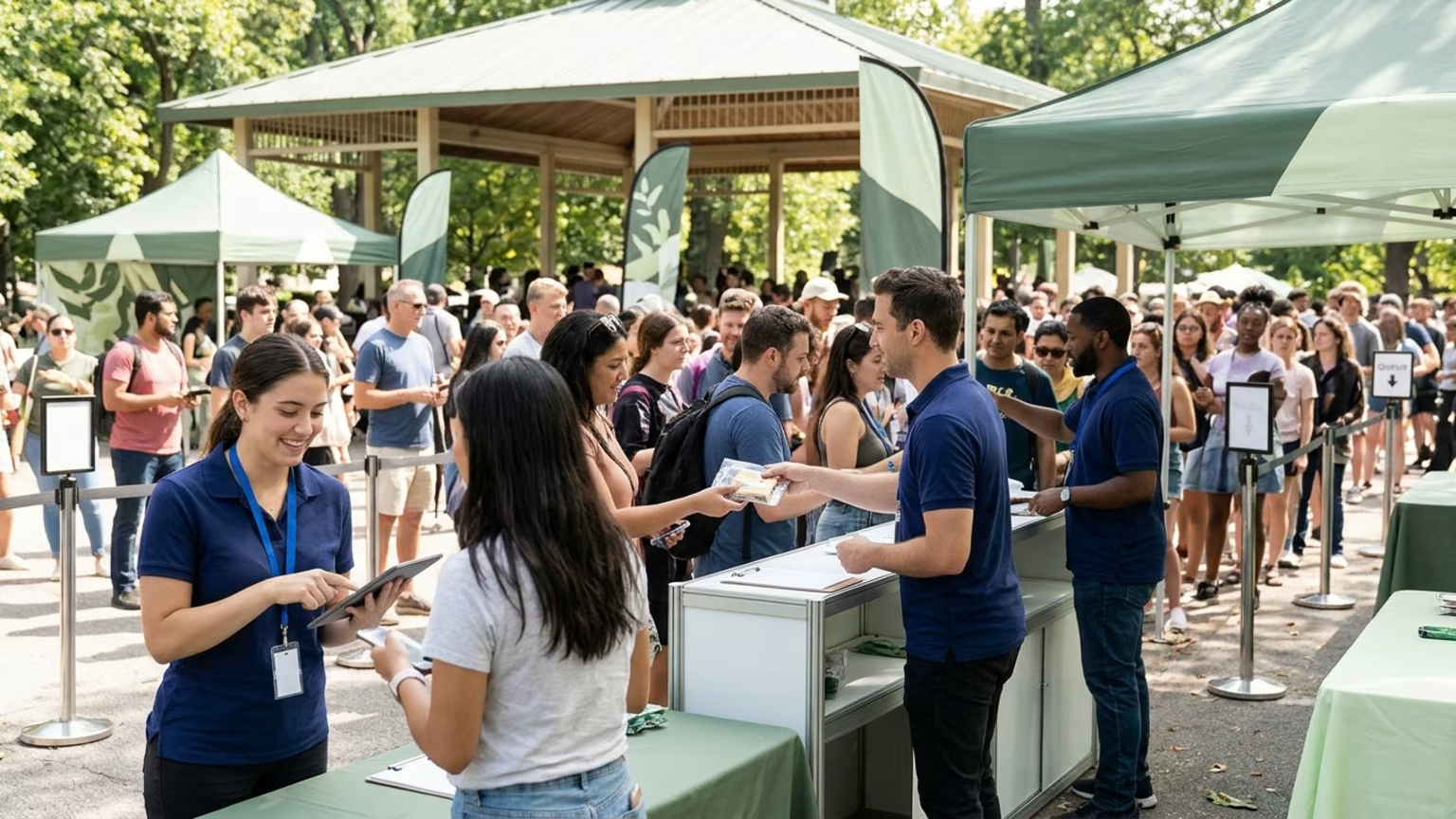
For us, aloha means making room for a real conversation rather than treating every participant as the next name in a queue. Makai’s retail demonstrations use trained brand ambassadors and product trials to support in-store sales. Warmth and commercial purpose belong together.
A practical rehearsal can check whether an ambassador can:
This is where practicing better consumer conversations becomes more useful than memorizing a longer speech.
Rehearse around the shopper’s product question and the purchase decision the demo is intended to support. The product interaction should help answer that question rather than become a separate performance.
The call to action should match the program objective. A purchase-focused demonstration and a sign-up-focused activation should not use interchangeable closing language or report success as though they were identical.
Practice an opening that establishes the product’s relevance without requiring the participant to hear the entire brand story. Then rehearse how to continue when someone asks for more detail.
Keep the approved facts intact even when the interaction is brief. A sample handoff and a substantive conversation can both be recorded when relevant, but they should remain distinct outcomes.
Rehearse questions that clarify the visitor’s interest and the appropriate follow-up. Paglia’s discussion of stakeholder groups is useful context: the meaningful unit of interest may extend beyond an individual visitor.
The recommendation is not to make every conversation longer. It is to connect the product discussion with a next action that the receiving sales team can understand.
Begin with what the business needs to learn. In a separate Event Marketer article, Glenwright recommends selecting no more than five KPIs and ranking them before choosing collection tools and processes. The same guidance recommends fitting data collection to the existing sales culture so tracking does not interfere with meaningful interactions.
Turn that approach into a handoff specification rather than assuming the capture tool supplies the strategy:
The practical path is a human exchange followed by an objective-linked record and an agreed route for follow-up. The technical field mapping belongs in the program’s implementation plan. It should not be improvised by an ambassador during a conversation.
Preserve context across settings. A retail sale and a trade-show sign-up may belong in the same reporting framework without representing the same commercial result. Likewise, a sample count should not silently become a lead count when the report reaches leadership.
Across our history, we have delivered more than 1,000 campaigns in all 50 states for more than 200 brands. We believe that range makes a consistent reporting vocabulary valuable without requiring every activation to pursue the same outcome.
The field brief needs decisions for reduced operating capacity, not just instructions for the ideal shift. Treat staffing and technology failures as separate planning questions.
For a staffing no-show, resolve:
For broken capture technology, resolve:
These questions belong in a field brief people can use during the event. They turn an operational risk into an explicit decision instead of leaving each ambassador to invent an answer.
The practitioner staffing guide also recommends reviewing shift reports and observations. It suggests that repeated questions may reveal messaging or packaging gaps. Repeated objections may point to price or availability concerns.
That feedback has a different purpose from fault reporting. Separate a failed tool from an unclear message so the next briefing addresses the actual issue. An equipment problem should not disappear inside a general comment that engagement was weak.
Review the next program’s objective and approved message before commissioning more script variations. Then compare the intended interaction with the outcome the reporting plan will actually capture.
The next planning discussion should bring together the people responsible for field execution and follow-up. Resolve the location-specific operating requirements alongside the data handoff. Once those decisions are clear, rehearse the conversation in the setting it is meant to serve and use reported questions to refine the next brief.
A retail demo planned around a script alone can leave logistics and staffing unresolved. Makai helps CPG marketers managing multi-regional or national campaigns navigate event logistics, permits and staffing while trained brand ambassadors use real conversations and product trials to support in-store sales.

30 Years Experiential & Retail Activation Partner for CPG & Beverage Brands | Multi-Market Demos, Roadshows & Costco/Club Programs That Actually Sell