Robbie Thain
Founder, CEO

Crunch Time Apple Growers reported an 18 percent sales increase for SnapDragon apples and launched a trade show sampling push to secure retail pipeline.
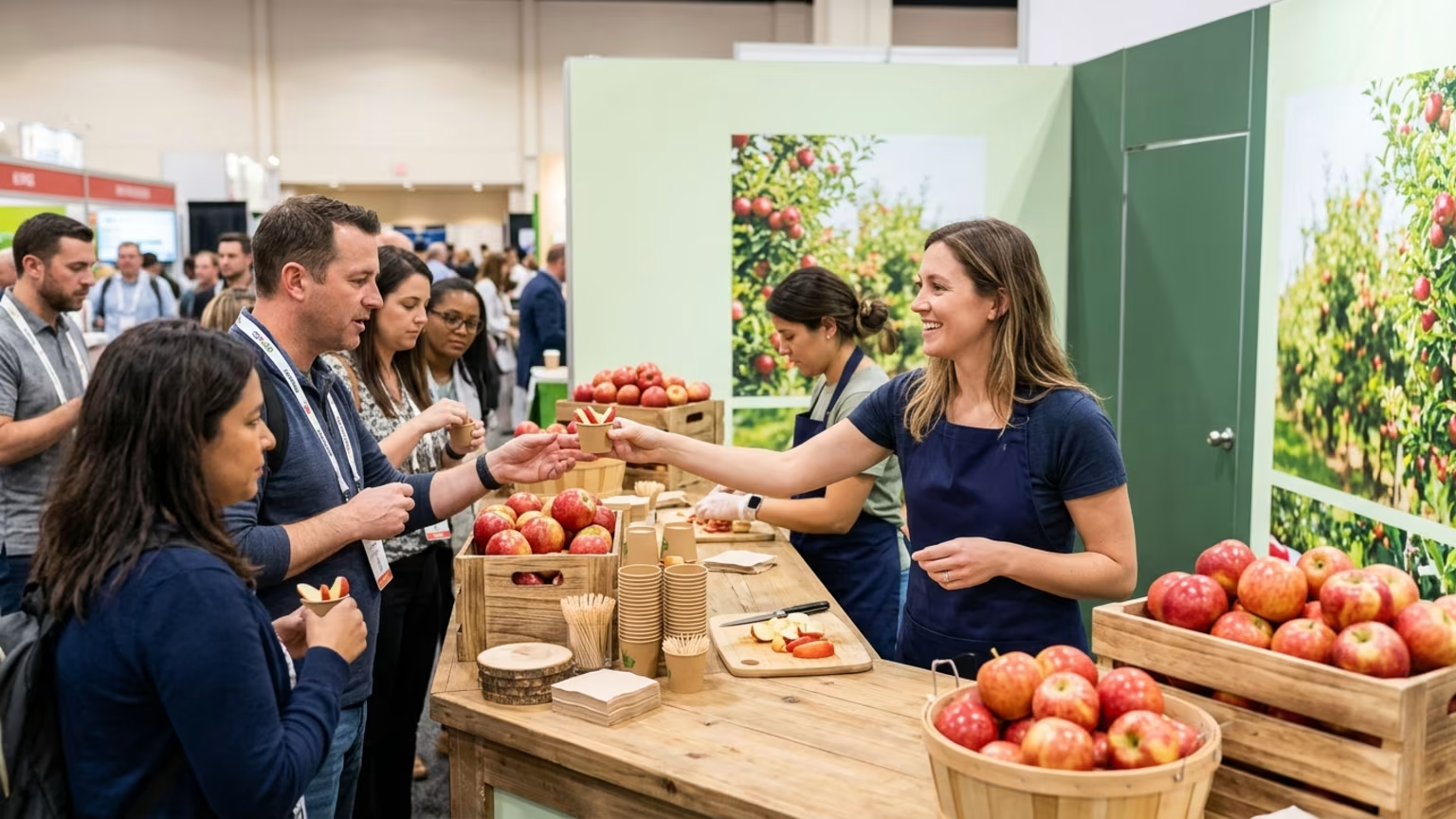
On October 8, 2026, Crunch Time Apple Growers outlined a retail and trade-show push for the 2026 SnapDragon apple crop. The company reported an 18 percent increase in SnapDragon sales during the prior season, according to FreshPlaza. To capitalize on that reported momentum, Crunch Time is presenting its current harvest directly to buyers at the International Fresh Produce Association’s Global Produce & Floral Show. This strategy relies on an interactive sampling footprint designed to engage retail partners and attendees face-to-face.
Connecting initial trade show interactions to future retail velocity requires a deliberate physical presence. The event highlights how fresh produce brands attempt to turn seasonal harvest momentum into long-term commercial relationships. For consumer packaged goods companies with aggressive growth targets, the trade show floor serves as a live pressure test. Buyers want to see how the product performs in a dynamic physical environment before they allocate valuable store shelf space.
The logistical setup for this activation moves beyond a traditional static booth. Crunch Time planned a dedicated environment at booth #2065 featuring a surfboard, a bike, and a hammock. Show attendees can sample the fresh apples alongside various dipping sauces while encountering the brand mascot, Snappy. The company described the 2026 crop as one of SnapDragon’s largest to date. Harvest operations were underway in New York as the show approached.
Additionally, Crunch Time reported that the grower network is expanding, featuring emerging plantings in Pennsylvania to support seasonal availability. A separate trade outlet also reported the 18 percent sales increase, the large-crop outlook, and the sampling activation details. Beyond the show floor, a September 2026 Produce Business article describes the broader retail support that Crunch Time works on with retail partners.
This support structure includes point-of-sale materials and secondary displays. The company also collaborates with retailers on promotional fixtures and co-branded campaigns. Finally, they provide digital support and staff training to ensure store-level success. These integrated tactics show a clear effort to support the product long after the convention concludes.
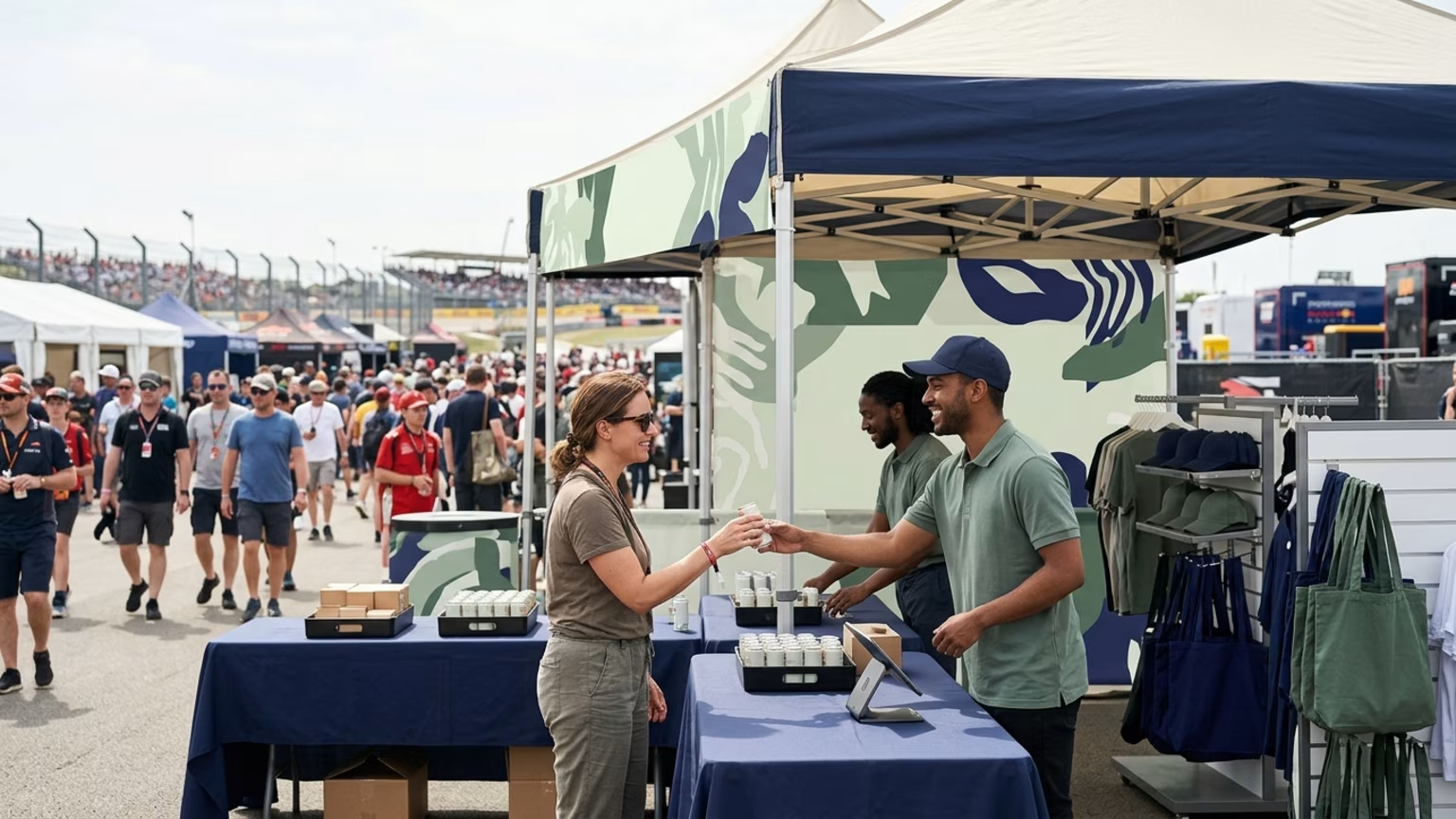
We see this approach as a practical necessity for brands needing to prove product viability to retail buyers. Handing out a piece of fruit is easy, but generating measurable retail interest from that interaction takes discipline. We specialize in creating retail demos, product sampling programs, and roadshows that bring brands face to face with their audiences. Each program is designed to drive trial, build consumer relationships, and accelerate retail velocity across multiple locations.
When buyers walk the floor at a major industry event, they are looking for proof that a product will move off their shelves. Combining a physical tasting experience with lifestyle props gives those buyers a tangible preview of the consumer experience. The strategic challenge lies in turning trade show sampling into retail pipeline velocity without losing momentum. The physical environment must do the heavy lifting of qualifying visitor traffic.
It is not enough to measure success by how many apple slices disappear from the tray. Brands must track how many of those interactions lead to qualified conversations with regional distributors or category managers. We provide clear reporting on reach, trials, leads, and sales to guide next steps in campaign optimization. Our measurement approach tracks awareness, engagement, and conversion, turning brand moments into actionable data that demonstrates business impact.
Experiential activations often fail when the field data never makes it to the central marketing team. Without proper routing, those initial conversations grow cold before the sales organization can follow up. By building strict data capture protocols into the booth operations, marketers can measure the exact Return on Investment from their live events. When you combine strict data capture with an inviting physical space, blending physical trials with digital amplification for CPG growth becomes a predictable process rather than a guessing game. A structured physical space filters out casual grazers and identifies the serious buyers who actually write orders.
Introducing active food sampling and a brand mascot into a trade show footprint immediately complicates field operations. Preparing and serving fresh produce with dipping sauces triggers specific venue health department regulations. Teams must manage food storage, safe handling protocols, and rapid trash removal to keep the space looking professional. Furthermore, a mascot requires a dedicated handler to navigate crowded aisles safely, pulling resources away from standard booth duties.
If a brand fails to manage these elements, the booth quickly turns into a chaotic bottleneck that repels serious buyers. Managing the physical flow of an activation is a core operational requirement. We designed and managed a 40 by 20 foot trade show environment for Glanbia at Natural Products Expo West 2025, bringing multiple brands into one coordinated space. We handled the concept, operations, staffing, and breakdown, with more than 14,000 recorded product samples distributed across the activation stations.
Achieving that kind of throughput without overwhelming the sales team requires clear physical zoning. The sampling stations must be positioned to attract foot traffic, while dedicated meeting areas remain protected for quiet buyer conversations. This operational rigor must extend beyond the convention center and into the retail environment. Once trade show buyers commit to stocking the product, brands have to execute at the store level to maintain velocity.
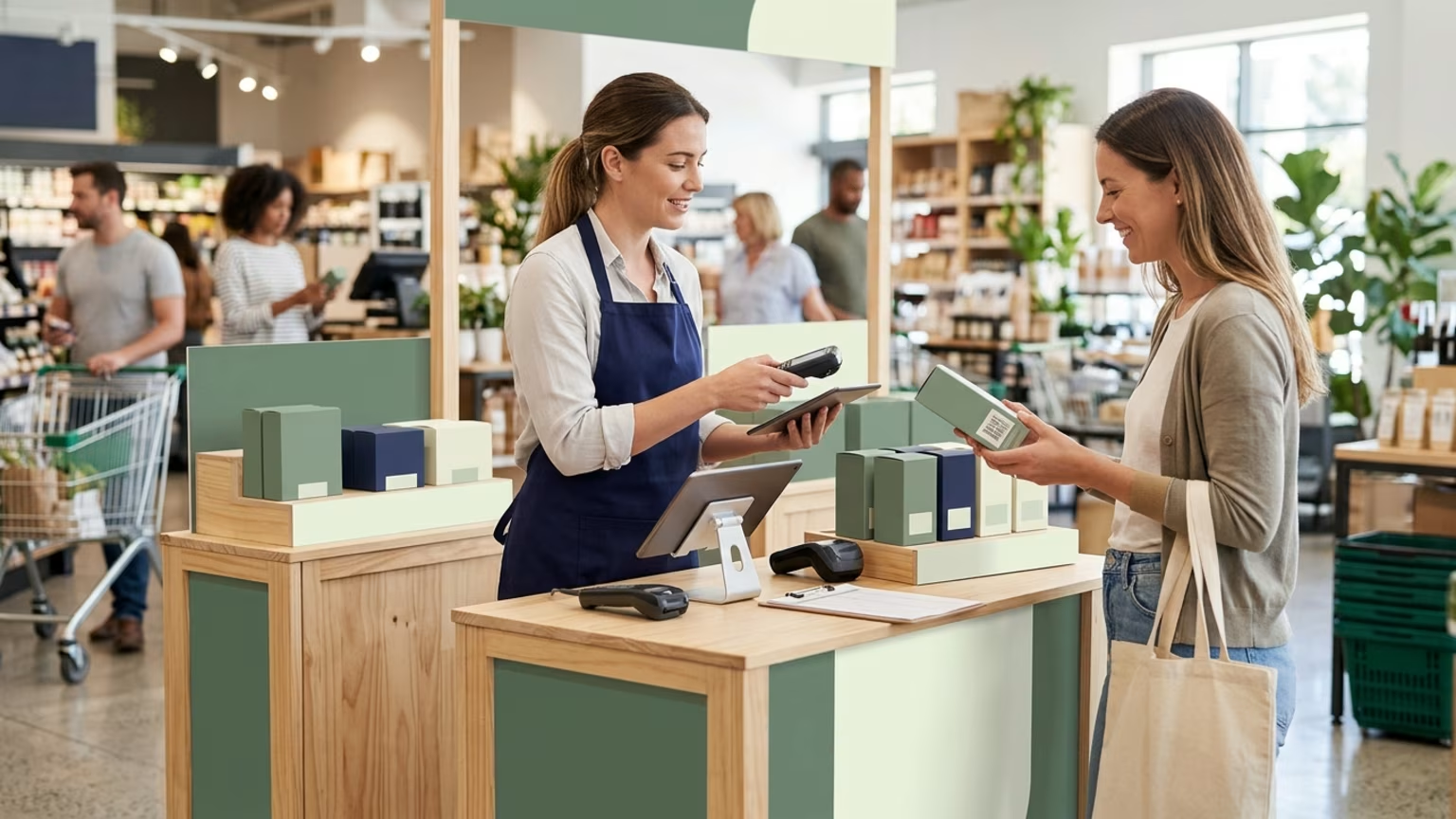
We managed a four-week, multi-market Costco sampling program for Pulmuone's PlantSpired line, delivering more than 65,000 samples. The program recorded an 18 percent sold-to-sale rate, giving us a concrete example of how structured retail sampling can connect trial with purchase. Whether operating a convention booth or a retail demo, brands must deploy trained ambassadors who understand how to drive in-store sales through real conversations. A consistent rhythm of retail sampling ensures that the momentum generated at a major industry event translates into measurable commercial outcomes.
The direct feedback from brand leadership highlights the exact metrics that retail buyers care about. Crunch Time executive director Jessica Wells described the IFPA show as an important opportunity to connect face-to-face with retail partners, sales organizations, and customers. According to FreshPlaza, Wells said retailers want confidence in supply, a consistent eating experience, and a brand shoppers recognize and return to. These priorities perfectly align with the operational realities of the grocery sector.
The fresh produce sector faces unique pressure regarding inventory consistency. Unlike shelf-stable snacks, apples require precise supply chain coordination to maintain quality upon delivery. When Wells points out that retailers demand supply confidence, she touches on a core anxiety for every grocery buyer. A brilliant marketing campaign cannot save a product if the physical supply fails to arrive on time. Therefore, the expanding grower network in Pennsylvania serves as a critical proof point for buyers assessing the brand's long-term reliability. A large crop outlook gives buyers the supply confidence they require before committing to secondary displays or promotional fixtures.
Positioning the product to match specific consumer behaviors is equally critical during these buyer conversations. Produce Business quoted Wells saying younger consumers are looking for products suited to snackable lifestyles. She noted that premium apples such as SnapDragon can fit that exact occasion.
By setting up a booth with a surfboard and a bike, the brand visually communicates this active lifestyle positioning to the retail buyers. The props are not just decorations; they are merchandising suggestions that help buyers visualize in-store marketing concepts. When brands align their trade show presence with the expectations of the modern shopper, they make it much easier for retail buyers to visualize the product winning on the floor. Presenting a complete lifestyle narrative helps transition the conversation from raw agricultural specifications to actionable retail strategy.
If your next experiential marketing campaign relies on product sampling, how are you capturing the data required to prove that those trials actually converted into qualified retail pipeline?
Validating physical product trials at major trade shows is an operational challenge that Makai completely manages for you. We solve the difficulty measuring real ROI from live events by running Mobile Sampling Tours that deliver your brand directly to audiences through on the go experiences that drive trial and awareness.

30 Years Experiential & Retail Activation Partner for CPG & Beverage Brands | Multi-Market Demos, Roadshows & Costco/Club Programs That Actually Sell