Robbie Thain
Founder, CEO

Navigating multi-city roadshow logistics requires strict planning. Learn how permitting, route optimization, and staffing turn mobile tours into revenue.
Most marketing directors believe a successful mobile tour depends entirely on a striking vehicle wrap. The reality is that the best experiential design means absolutely nothing if your truck is legally barred from parking on the street. Brand operators often ask what truly dictates the success of a regional roadshow. The answer is relentless logistical precision and calculated route viability.
When planned correctly, these activations deliver massive visibility for growing brands. According to research from Pro Mobile Marketing, a single branded mobile vehicle can generate 30,000 to 70,000 impressions daily. Reaching that volume requires strict adherence to local Department of Transportation guidelines and neighborhood parking ordinances. Every market presents a different web of municipal regulations that can halt an activation without warning.
We handle every step of activation execution with precision and purpose, from initial concept through final logistics. Our comprehensive approach ensures that each program is designed to spark curiosity, drive action, and leave a lasting impression on consumers. This requires treating the physical movement of the brand asset as the core foundation of the campaign. Without a flawless transportation plan, the creative vision simply cannot survive.
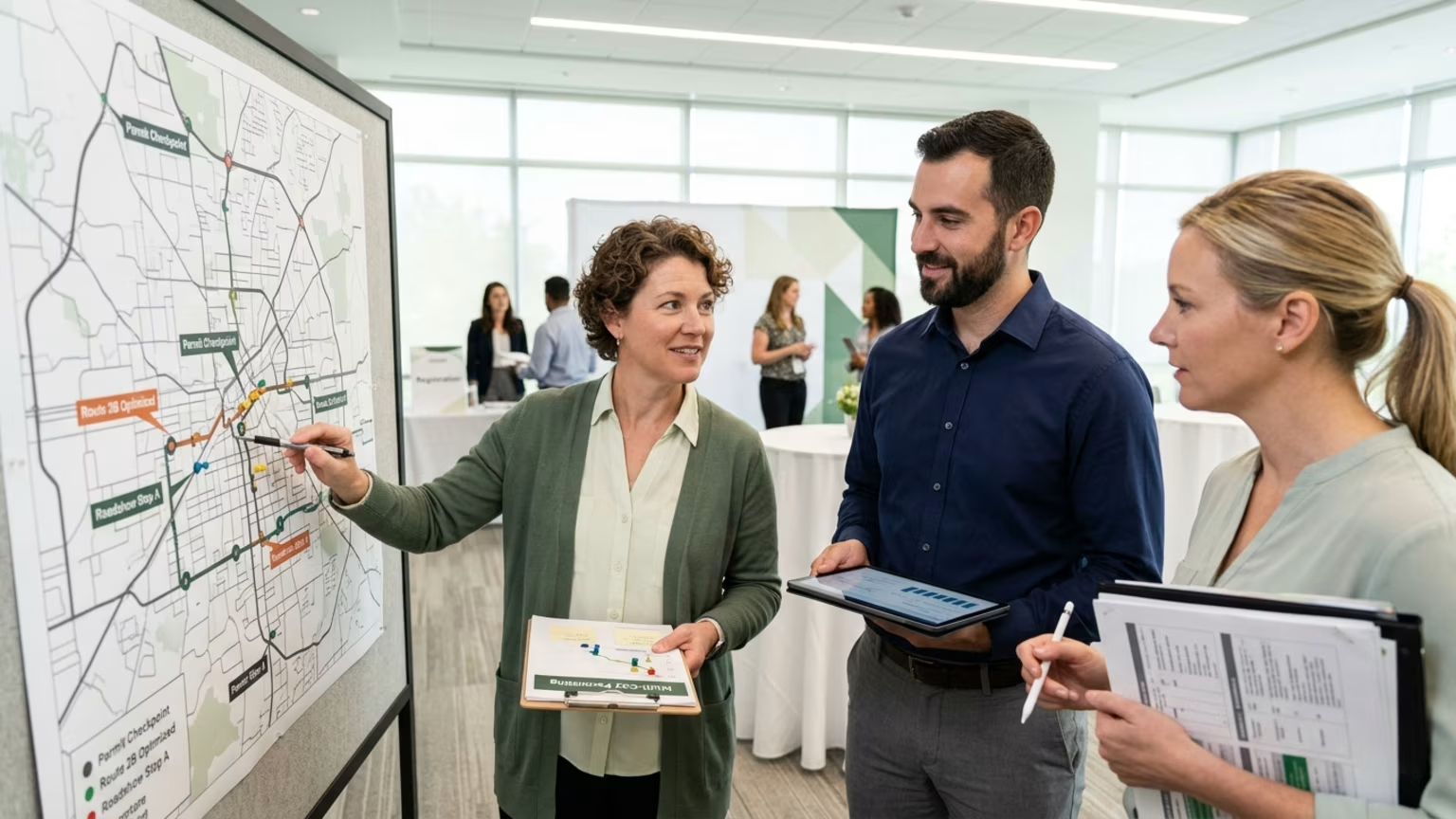
The map on a whiteboard rarely survives contact with city permitting offices. Brands must secure the proper documentation well before tires hit the pavement. Pro Mobile Marketing also reports that branded vehicles average 101 impressions per mile traveled. However, those miles must be deliberately chosen to avoid restricted zones and unpermitted commercial activity.
Failing to secure the right clearances stops a mobile tour completely. Preparing for and avoiding execution pitfalls in multi-stop brand roadshows requires filing paperwork months in advance of the target dates. A rigid route plan must remain flexible enough to accommodate unexpected street closures or last-minute municipal denials. Our team actively maps secondary locations to keep the asset moving when primary spots fall through.
Permitting is not a simple checklist item that can be delegated to junior staff. Cities often require extensive paperwork outlining the exact dimensions of the footprint. Some municipalities demand specific neighborhood board approvals before a brand can sample products on a public sidewalk. Navigating this bureaucracy demands a seasoned operator who understands the local regulatory language.
The physical constraints of the vehicle also dictate the permitting strategy. Heavy assets require specialized routing to avoid bridges with weight limits or low underpasses. Planners must factor in parking logistics for support vehicles and staging areas for the crew. Every operational detail must be documented and approved before the first stop on the tour begins.
A polished truck gets the product into the neighborhood, but only trained people can turn that physical presence into measurable pipeline. Deploying a vehicle without elite talent simply creates an expensive billboard. We train our brand ambassadors using an aloha-style methodology that blends warmth with strict operational discipline. This approach disarms skeptical consumers and opens the door for authentic product education.
Executing a scaled nationwide field network for multi-city brand roadshows means placing reliable operators in every market on the map. These field teams must understand the technical elements of the setup while maintaining high energy through long shifts. They are the human bridge between a parked promotional asset and a meaningful consumer interaction. Without them, the logistical effort is entirely wasted.
Brand ambassadors must be highly adaptable to changing conditions on the ground. A sudden weather shift or a venue relocation requires the team to pivot immediately without losing their composure. Our staff operates as an extension of the brand while retaining the sharp reflexes of field logistics experts. They manage crowd flow and troubleshoot minor issues before these problems reach the client.
Consistency in execution separates amateur activations from professional campaigns. A consumer interacting with the brand in Chicago must receive the exact same quality of experience as a consumer in Los Angeles. We maintain strict training standards across all markets to guarantee this uniformity. The focus remains on delivering genuine human connection backed by operational rigor.
Moving from a physical handshake to a tracked system record requires seamless technical execution. Field marketing teams often struggle to connect street-level interactions with corporate sales data. Integrated mobile point-of-sale systems and digital lead capture forms resolve this disconnect immediately. This technology turns a brief sidewalk conversation into a concrete data point for the sales team.
Turning the activation into a revenue engine with retail velocity route planning means routing captured information directly into the corporate pipeline. The field staff scans badges or collects contact details before the consumer walks away. This immediate data transfer prevents lost information and provides leadership with clear proof of performance. Accurate reporting transforms a mobile tour from a vague branding exercise into a measurable sales channel that proves Return on Investment.
Relying on physical sign-up sheets or delayed manual data entry is no longer acceptable. Modern tours demand instantaneous synchronization with a centralized customer relationship management platform. We equip our field teams with rugged tablets designed to function in harsh outdoor environments. This ensures that every interaction is cataloged and attributed to the specific tour location.
Proving success requires tracking the right metrics beyond simple attendance figures. Our systems monitor product trial rates and digital coupon redemptions to gauge true purchase intent. By analyzing this data against local retail performance, brands can measure the direct impact of the roadshow on regional sales lift. This analytical approach gives marketing directors the empirical evidence needed to justify their field budgets.
Even the most carefully planned route will encounter mechanical issues or severe weather disruptions. A broken generator or a sudden permit dispute can leave a premium asset stranded in a parking lot. According to data from Dhollandia and Butts Insurance, industry estimates place the average cost of vehicle downtime at approximately $448 to $760 per vehicle per day. That daily financial bleed compounds rapidly when staff remain idle and prime retail slots are missed.
The field general anticipates these failures before the truck ever leaves the lot. This requires having backup venues secured and redundant technology packed on board. Quick localized routing adjustments keep the program running smoothly despite inevitable friction. Rapid response tactics protect the brand from public embarrassment and lost revenue.
A strong contingency plan also addresses communication protocols during a crisis. If a vehicle breaks down on the highway, the field manager must immediately notify the routing team and venue coordinators. Standard operating procedures dictate the exact steps for securing alternative transport and rebooking canceled stops. Clear lines of communication prevent panic and ensure a coordinated recovery effort.
We build redundancy into every aspect of the logistical framework. Extra inventory is staged at regional hubs to prevent stockouts during unexpected demand spikes. Portable power stations are carried on board to mitigate sudden generator failures at the activation site. Preparing for the worst guarantees that the consumer experience remains flawless regardless of backend complications.
Executive teams demand clear financial parameters before authorizing a regional or national mobile activation. The investment scales dramatically based on route complexity and fabrication needs. According to Barnastics, large-scale mobile tours, festival activations, and fully custom experiential campaigns can exceed $1 million.
This budget must account for custom vehicle builds, specialized driver salaries, and intricate municipal permitting fees. Strategic route optimization helps contain these expenses by reducing wasted mileage and preventing costly idle days. Careful financial modeling up front protects the campaign from mid-tour budget shortages.
Brands must avoid the temptation to cut corners on transportation compliance to save money. Hiring uncertified drivers or ignoring weight limits to reduce costs inevitably leads to severe legal penalties. The initial savings are quickly erased by heavy fines and catastrophic schedule delays. Investing in proper logistics infrastructure is a non-negotiable requirement for a successful tour.
Transparent budget tracking allows marketing leaders to monitor field expenditures in real time. Every dollar spent on fuel, parking, and daily operations is documented and reviewed against the master forecast. This disciplined financial oversight ensures that the campaign remains profitable and delivers maximum value to the brand.
Before approving the final creative wraps or drafting the staffing schedule, marketing leaders must audit their target markets for regulatory compliance. A thorough review of local ordinances prevents costly delays and protects the initial investment. The road reveals its true obstacles only to those who fail to study the map.

30 Years Experiential & Retail Activation Partner for CPG & Beverage Brands | Multi-Market Demos, Roadshows & Costco/Club Programs That Actually Sell


