Robbie Thain
Founder, CEO

PepsiCo is rolling out a massive retail sampling initiative across 5,000 U.S. stores. Learn how strict operational discipline turns tastings into sales.
Digital advertising cannot manufacture the physical sensation of taste. Brand leaders spend millions chasing digital impressions that never actually touch the consumer's tongue. The smartest CPG operators know physical trial is the fastest path to retail velocity.
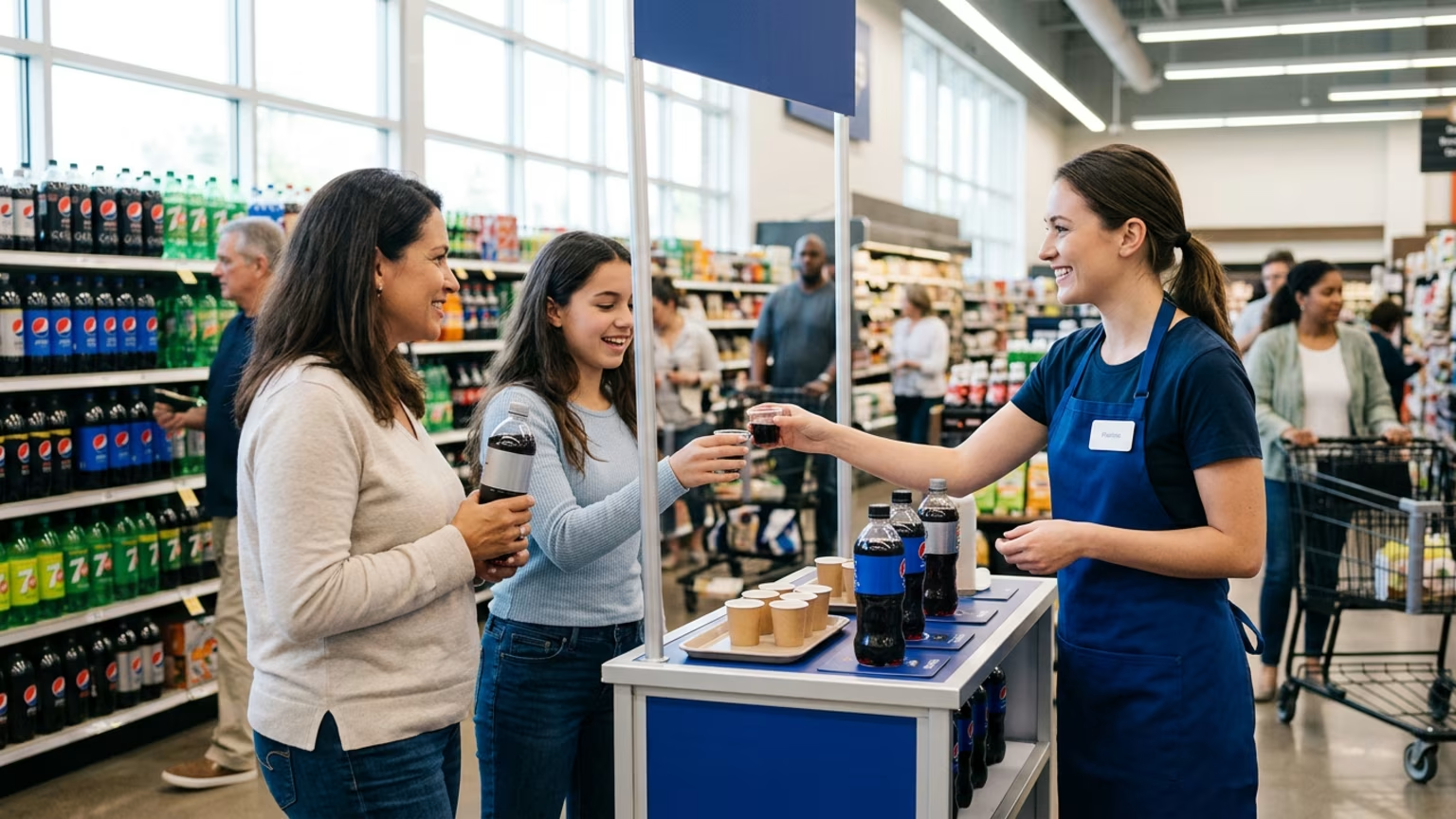
PepsiCo is rolling out a massive retail sampling initiative across 5,000 U.S. stores to drive immediate trial for its reformulated zero-sugar beverage line. This post breaks down the operational discipline required to turn high-volume in-store tastings into measurable retail velocity.
Large-scale sampling programs face severe execution fragmentation on the retail floor. Event Marketer survey data shows up to 30 percent of CPG programs suffer from inconsistent staffing and poor retailer compliance. You might secure the end-cap at Kroger or Albertsons. The actual activation often devolves into an empty table with missing product and absent brand ambassadors.
When physical activations lack rigorous oversight, costs skyrocket and margins erode quickly. A campaign spanning thousands of doors requires complex logistics for labor, shipping, and retailer coordination. Running these programs costs roughly $50,000 to $100,000 per 1,000 doors. A poorly managed booth creates fatigue and drains the marketing budget without driving immediate sales lift.
Consumer preferences are shifting rapidly toward real-world brand interactions. Kantar research shows 72 percent of consumers prefer in-store demos over digital ads. Managing that demand at scale introduces new friction points. Retailer pushback is rising across the country.
Labor shortages prompt 15 percent of grocers to limit end-cap access. Brands must prove their value to store managers to keep these premium spots. High costs can ruin profit margins if your conversion rate dips below 20 percent. This risk is especially high for zero-sugar products facing consumer skepticism.
Mintel data reveals a 17 percent taste rejection rate for zero-sugar lines among cautious shoppers. A bad first impression at the sampling table means a lost customer for life. Sustainability concerns add another layer of operational complexity for field teams. Single-use cups generate 500 tons of waste across a 5,000-store footprint.
Scaling a sampling program across thousands of retail doors requires operator-grade discipline. Every live interaction must function as a measurable trial lab for the product. Brand leaders must prioritize rigorous staffing protocols, tight inventory management, and clear promotional messaging. "Zero calories, zero compromises" is the exact messaging PepsiCo uses to cut through shelf noise.
We have been connecting brands with people through live experiences, retail programs, and national activations since 1995. Over three decades, we have built a track record of creating meaningful brand moments across the country. Our team knows exactly how to prevent the common operational failures that sink national roadshows. Consistency in physical execution always beats isolated flashes of brilliance.
Brands must align field execution with immediate retail velocity goals. According to PepsiCo VP of Retail Marketing Sarah Smith, 45 percent of first-time triers convert at checkout when prompted live. This data points to the undeniable power of well-managed in-store interactions. It proves that aggressive physical marketing forces product movement.
The experiential marketing space commands a massive $2.5 billion annual spend from CPG companies. Operators are now using advanced technology to maximize every dollar spent on the floor. AI-optimized staffing platforms help predict peak shopping hours for better resource allocation. This targeted approach reduces operational waste by 25 percent.
Many teams are testing bundled demo strategies at major club retailers to reach massive audiences. Fast execution helps build deep consumer trust during a new product rollout.
Deploying a national campaign demands a precise step-by-step methodology.
Vanity metrics cannot validate the expense of physical marketing campaigns. Brand leaders need concrete numbers to justify a national footprint. You must track specific lead and lag indicators for clear Return on Investment reporting. We advise our partners to integrate POS data directly with their field reporting tools.
Shopper marketing managers should demand real-time velocity reporting from their agency partners. Platforms that merge field data with IRI scan tools provide an honest picture of campaign health. This level of oversight separates profitable activations from expensive theater. Book a strategy call with our team to build your next measurement framework.
The recent PepsiCo sampling blitz serves as a textbook example of high-volume retail activation. The brand rolled out live tasting stations for its reformulated zero-sugar line across 5,000 U.S. grocery chains. This massive initiative targeted shoppers directly at the point of purchase during important first-quarter pushes. Gary Hemphill from Datassential notes this strategy turns stores into trial labs with measurable sell-through.
The results speak to the power of physical presence. Experiential activations deliver 64 percent higher brand recall than digital ads alone according to AdAge. Denise Woodard of Partake Foods notes that consistent staffing and real-time tracking are non-negotiable for achieving this recall. Without those elements, the investment evaporates quickly.
IRI scan data confirms that retail velocity for zero-sugar SKUs rose 12 percent year-over-year following these reformulations. The U.S. market for zero-sugar products grew 18 percent in 2025 alone. PepsiCo used the sucralose-stevia blend reformulations as the primary hook for its nationwide tasting push. They turned product improvements into a physical event.
Competitors are following this exact playbook to defend their shelf space. Coca-Cola executed a similar program across 3,500 stores for Coke Zero. That massive push yielded a 17 percent velocity gain for the beverage giant. Monster Energy hit 2,000 locations to launch its own zero-sugar variations according to Nielsen data.
PepsiCo is already expanding these tests into large format club stores. The brand plans to activate 1,000 doors across Costco and Sam's Club locations in early 2026. This club store push will test bundled sampling combined with loyalty app integrations. Brands mapping out a new physical sampling plan must study these aggressive deployments.
The retail floor remains the most honest testing ground for any consumer product. A digital impression fades the moment a screen locks. A physical taste lingers long after the shopper leaves the aisle. Brands that master this real-world execution will always command the shelf. True market share is not won in the cloud; it is won one sip at a time.

30 Years Experiential & Retail Activation Partner for CPG & Beverage Brands | Multi-Market Demos, Roadshows & Costco/Club Programs That Actually Sell