Robbie Thain
Founder, CEO

General Mills is removing synthetic colors from U.S. cereals by 2026. Learn how experiential marketing protects brand equity during a product reformulation.

A shopper stops in aisle four holding a box of Trix. She stares at the slightly paler cereal pieces, hesitates, and slowly puts the box back on the shelf. That single moment of doubt is exactly what keeps food brand operators awake at night. When iconic products change their formulas, consumer trust hangs in the balance.
General Mills shared plans to remove certified synthetic colors from all U.S. cereals by summer 2026 to meet strict new retailer requirements. This massive recipe change gives experiential marketers a rare window to run physical activations that defend shelf space, protect brand equity, and turn hesitant shoppers into confident buyers.
The trade show floor and retail aisles are currently facing a massive compliance shock. Retailers are setting aggressive new standards for product ingredients well ahead of government mandates. Target announced that it will only carry cereals made without certified synthetic colors starting June 1. According to TheStreet, Target based this decision on guest insights showing a clear shift toward foods made without artificial additives.
This tight deadline caught several major brands completely off guard. Kellogg and Post missed the initial cutoff date. This delay caused them to see popular items like Froot Loops and Apple Jacks temporarily removed from Target shelves until they reformulate. Missing a retailer deadline means immediate distribution loss at massive scale.
Beyond the obvious supply chain nightmare, brand equity faces massive risks during a recipe transition. Shoppers strongly associate iconic cereals like Lucky Charms and Reese's Puffs with bright colors and classic shapes. Any perceived change in taste or appearance sparks immediate consumer backlash. Parents are highly protective of the products they buy for their children. If a reformulated cereal looks different in the bowl, the consumer assumes the product tastes worse.
The U.S. FDA issued a 2025 call for the food industry to phase out artificial dyes entirely. Target explicitly cited this regulatory pressure as context for its policy change. Other manufacturers are feeling the heat from this movement. One major food company recently stated they will completely remove FD&C colors from their portfolio by the end of 2027.
Brands cannot afford to guess how shoppers will react to these updates. A failed recipe change leads directly to plummeting sales velocity. Relying on simple packaging updates is a dangerous gamble. Marketing leaders need a physical plan to bridge the gap between old expectations and new realities.
The standard corporate response to a formula change is a massive digital ad campaign. Real operators know that pixels do not change palates. You must treat a product reformulation as a live market testbed rather than a simple compliance task. Field marketing acts as the mandatory bridge between the research department and the skeptical shopper.
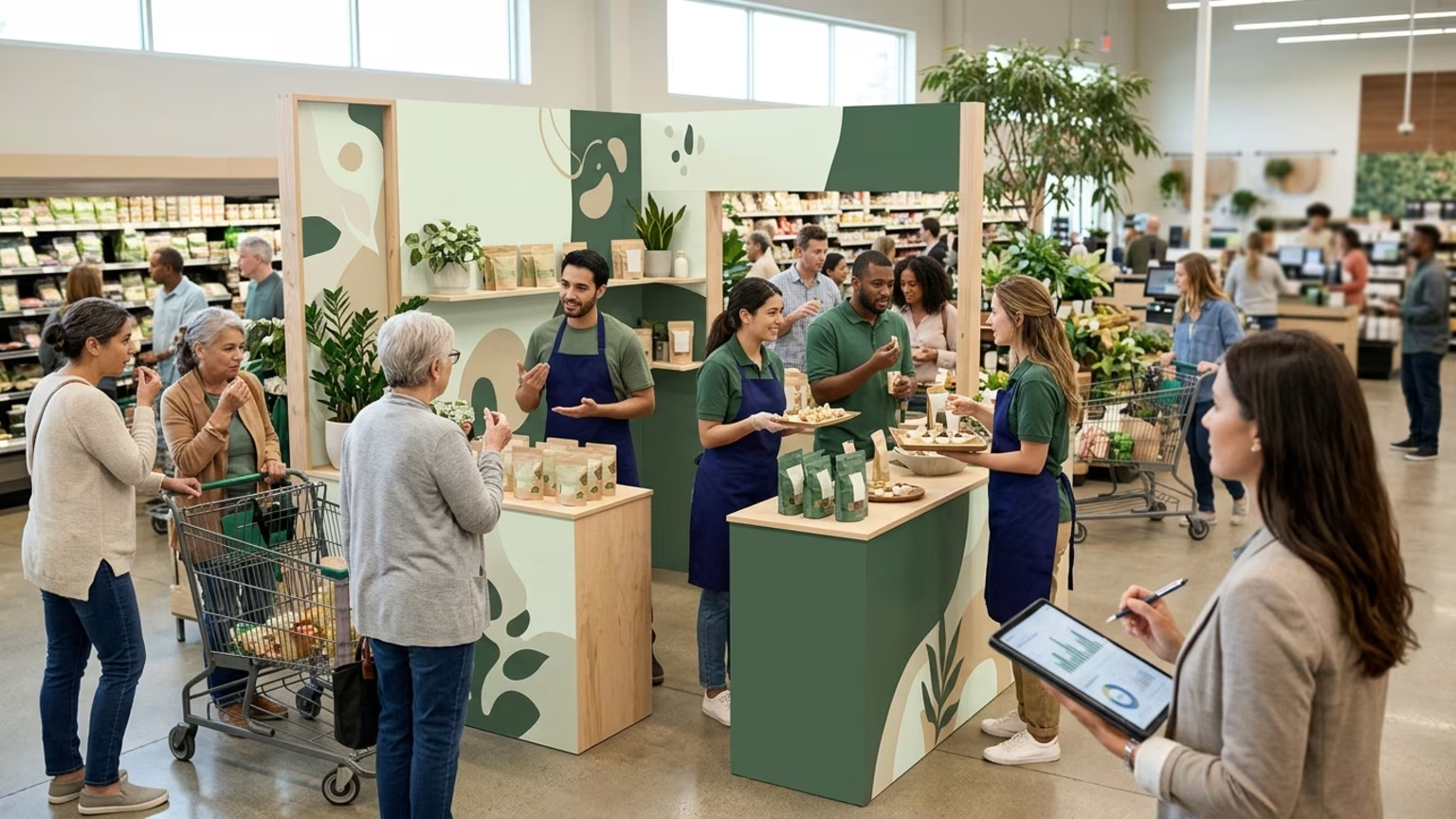
The strategy relies on putting the actual product into the hands of real people. You have to prove the product still delivers the expected joy. Brands must use in-store activations to tell the cleaner ingredient story directly. Transparency wins when brand ambassadors can look a shopper in the eye.
They can clearly explain that the new colors come from turmeric or natural fruit juice. When consumers taste the product and realize the flavor remains identical, you successfully protect the purchase cycle. Many shoppers equate clean labels with healthier products. At the same time, core users might think the brand ruined their favorite childhood snack.
Field activations prove the sensory trade offs are completely acceptable. We have executed over 1000 campaigns across all 50 states, bringing brands to life in every major U.S. market. From retail demos in Seattle to roadshows in Miami, our teams activate brands wherever audiences shop. In our experience, physical sampling removes the friction of doubt instantly.
Shoppers trust their own taste buds more than any corporate billboard. A well planned field activation turns a defensive product change into an offensive market share grab. You win the shelf by showing up in person.
Executing a successful product transition requires operator grade discipline. You need a step by step plan to run these activations flawlessly across hundreds of locations.
Field activations look visually impressive, but you need hard math to justify the financial spend. Return on Investment is the only language the executive team respects. You must track the trial conversion rate above all else. This measures the exact percentage of shoppers who taste the sample and immediately buy a box.
Next, monitor your velocity lift against a pre activation baseline. You need to know if the store sold more units during your campaign week than an average week. These numbers are your primary lead indicators. Lag indicators are equally critical for long term performance reporting.
Track changes in brand trust scores through quick intercept surveys at the sampling table. Ask shoppers if they prefer the new ingredient profile or if they notice any taste difference. These data points give your research and development team actual consumer feedback. They prove whether the new formula works in the real world.
Every interaction should generate measurable intel. Measure your operational compliance with operator grade precision. High conversion only happens when field staff show up on time and deliver the messaging perfectly. Track the percentage of shifts completed without any logistical issues.
Monitor how strictly the brand ambassadors stick to the approved ingredient talking points. If your team cannot execute the plan, the data becomes useless. You need complete confidence that every staff member represents your brand correctly. Book a strategy call with our team to set up these tracking systems for your next product rollout.
The General Mills summer 2026 deadline is an ideal blueprint for the entire food and beverage sector. Target explicitly noted that its policy aims to lead with merchandising authority and drive future growth. Retailers will continue setting stricter standards for additives ahead of any formal government regulations. CPG brands will face these forced formulation changes constantly over the next decade.
The transition away from synthetic colors is merely the beginning of this movement. The brands that win will never hide behind corporate press statements. They will build high conversion roadshows that meet consumers face to face in the aisles. If your core product is changing, you cannot afford to leave your sales numbers to chance.
You must defend your shelf placement with evidence based physical marketing. The shift toward clean labels is an operational reality.
Check your product roadmap for any upcoming ingredient changes, and draft an in store sampling plan for those items today.

30 Years Experiential & Retail Activation Partner for CPG & Beverage Brands | Multi-Market Demos, Roadshows & Costco/Club Programs That Actually Sell