Robbie Thain
Founder, CEO

Beverage brands are replacing fragmented sampling with coordinated mobile roadshows. Learn how field execution and centralized logistics drive measurable pipeline.
Retail demo programs usually get judged on cups poured rather than actual pipeline generated. This massive misalignment explains why premium beverage marketers are leaving traditional retail sampling behind. On July 22, 2026, the beverage industry hit a breaking point with digital marketing saturation and shifted heavily toward coordinated mobile roadshows. Marketing leaders are no longer satisfied with static tasting tables at local grocery chains.
They demand controlled physical environments where their product commands absolute attention. Buying internet ads provides broad reach but lacks the sensory impact required to change buying habits. Consumers want to touch and taste new beverage products before they commit to a purchase. This structural shift moves marketing budgets from screens directly into local retail parking lots.
A fundamental logistical shift occurred in how brands manage their field marketing assets. Companies stopped hiring disparate regional agencies to run isolated weekend sampling events. They began centralizing their entire tour inventory onto dedicated routing trucks. This operational consolidation removes the inconsistencies that plague localized retail demonstrations.
The modern mobile tour model relies on a single continuous multi-city schedule. Every step of the supply chain operates under a unified command structure. Local field managers no longer guess about which promotional materials they should use. The entire physical execution follows a strict playbook that dictates exact inventory flow.
A warm greeting means nothing if the supply chain completely collapses during a rush. Real marketing pipeline requires rigorous inventory management operating silently behind those friendly smiles. At makai, we blend a welcoming consumer approach with operator-grade logistical precision. We know that a beautiful physical activation is useless if the product arrives warm.
We have executed over 1000 campaigns across all 50 states, bringing brands to life in every major U.S. market. From retail demos in Seattle to roadshows in Miami and events in Honolulu, our teams activate brands wherever our clients' audiences are located. This geographical coverage proves that consistent standards drive better consumer interactions everywhere. National scale works best when local teams respect the core operational directives.
A multi-city mobile tour triggers massive logistical hurdles for regional field marketing managers. Every new market demands unique health department permits and distinct municipal parking approvals. These rigid legal requirements frequently dictate the actual geographic path of the tour. A denied health permit in one city forces a complete schedule rewrite for the surrounding region.
Local regulations strictly govern how brands can sample beverages to the general public. Staffing agencies must recruit brand ambassadors who understand complex compliance rules. These field workers handle heavy crowds while maintaining strict local sanitation protocols. Operational success depends entirely on how accurately these frontline teams follow the permit guidelines.
Routing schedules must allow buffer days for vehicle maintenance and unexpected weather delays. Heavy transport trucks break down, and severe storms can wash out a weekend event. Smart operators build flexible timelines that absorb these inevitable physical setbacks. The entire operation relies on retail staffing solutions that adapt rapidly to sudden scheduling shifts.
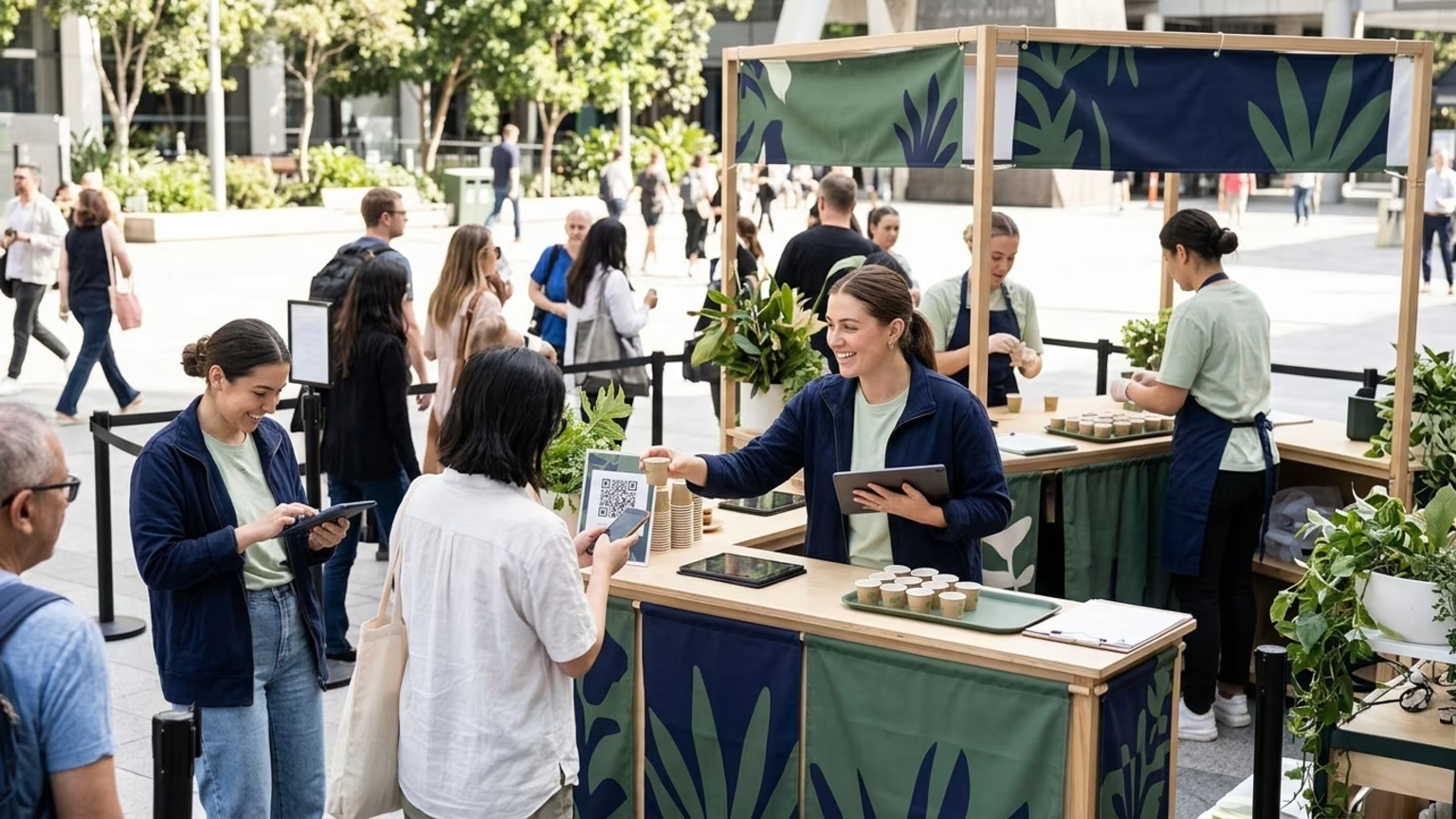
High-volume roadshows rely on modern tools for immediate consumer data capture. Field teams scan every single interaction to track product trial conversions directly. This data proves whether a regional activation actually moved the needle on sales. Without strict data capture protocols, a mobile tour is just an expensive cross-country trip.
The best brands tie their physical activations directly to their digital reporting systems. Marketing directors monitor daily trial numbers to adjust their local advertising spend. If a specific city shows high engagement, the brand can increase local media buys. This strategy requires new product launch strategies that prioritize verifiable metrics over vague brand awareness.
Field workers must balance friendly conversation with strict data entry requirements. They learn how to transition a casual chat into a documented product trial. Every sample given away must map back to a specific measurable objective. This level of detail separates amateur event planning from professional pipeline generation.
Moving thousands of sample units introduces extreme cold-chain storage challenges. Refrigerated trucks must sync perfectly with daily event schedules to prevent product spoilage. A single delayed shipment can ruin an entire weekend of planned marketing activities. The physical movement of heavy liquids requires an obsession with tracking and delivery details.
Operators use centralized warehouses to buffer their stock before a major regional push. They ship pallets to local depots days before the main activation truck arrives. This redundancy protects the campaign from last-minute freight delays. The mobile roadshow methodology succeeds only when the product is readily available for consumers.
We store your sampling product and event gear inside secure regional logistics hubs. Our teams ship and track deliveries nationwide so every activation stays on schedule. Managing these assets requires specialized tracking software and constant communication with freight drivers. Complete visibility into the supply chain gives marketing directors absolute peace of mind.
Scaling a local sampling success into a national roadshow requires serious financial modeling. Marketing departments must calculate the exact cost per acquisition for every single physical interaction. These financial models help brands justify the massive capital required for custom vehicles. A highly visible tour truck amortizes its cost over hundreds of separate retail stops.
Brands cannot rely on loose estimates when projecting their Return on Investment. They need hard data linking parking lot samples to in-store register receipts. Advanced teams track local zip code sales data during the exact weeks the tour visits. This rigorous financial tracking proves the true value of physical marketing to skeptical financial officers.
Comparing the cost of a mobile tour to digital advertising requires a realistic perspective. Digital clicks cost pennies but often yield incredibly low conversion rates for premium beverages. Physical interactions cost more upfront but generate long-term loyalty and higher lifetime customer value. Smart brands view these activations as capital investments rather than simple promotional expenses.
A beautiful mobile asset is useless if the staff cannot communicate the core message. Brand ambassadors undergo intense product education before they ever step onto a tour. They must understand the exact flavor profiles and nutritional benefits of the beverage line. Consumers ask highly specific questions about ingredients that require confident and immediate answers.
Consistent messaging across fifty different cities requires a centralized command and training structure. Field managers conduct daily briefings to guarantee the messaging matches the national advertising campaign. If a new promotional offer launches online, the field team must adopt it immediately. This synchronized communication loop prevents mixed messaging from reaching the retail buyer.
The best ambassadors know how to read a crowd and adjust their pacing accordingly. During a massive rush, they focus entirely on rapid sampling and quick data capture. When the crowd thins out, they spend more time educating individual consumers about the product. This situational awareness separates an average field worker from a true sales professional.
Creative agencies love to design beautiful structures that are completely impossible to transport. An effective mobile tour balances stunning visual design with practical highway travel requirements. The footprint must fold down quickly and fit perfectly inside a standard commercial trailer. Every custom display piece needs to withstand the brutal vibrations of cross-country trucking.
Our teams analyze every creative concept through a lens of strict operational reality. If a display takes three hours to assemble, it will ruin the daily event schedule. We push for modular designs that lock together quickly without requiring specialized heavy machinery. Speed of assembly is a massive financial factor when paying hourly rates to field teams.
Heavy wind and rain will instantly destroy fragile marketing materials placed outdoors. We construct our roadshow assets using durable materials that can survive harsh regional weather patterns. A tour moving from a humid Florida summer to a dry Nevada desert faces extreme environmental stress. Rugged construction guarantees the brand always looks premium regardless of the local climate.
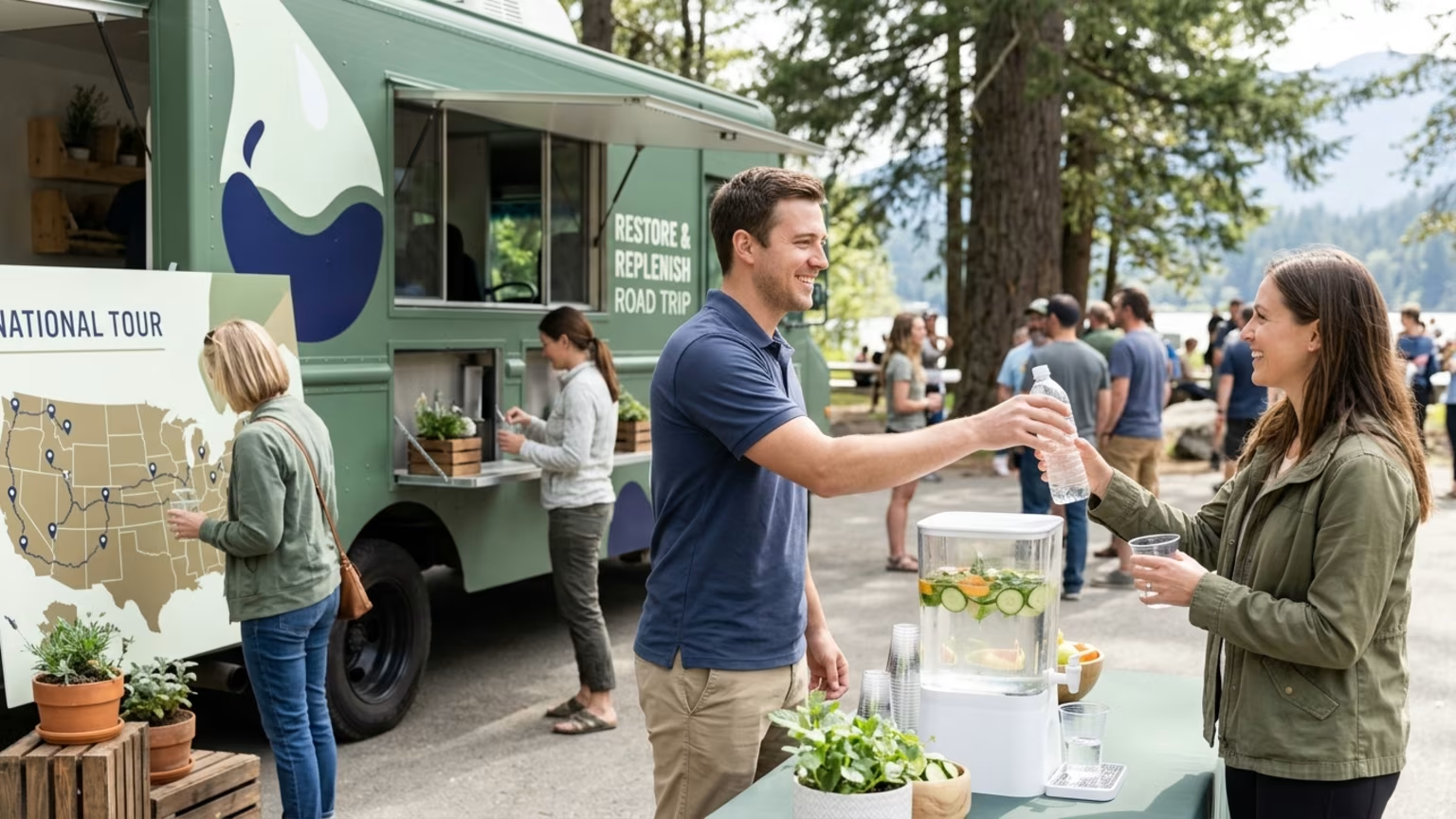
Driving aimlessly between major cities burns expensive fuel and wastes valuable marketing days. A calculated routing plan clusters activations tightly within a specific retail distribution zone. A truck might spend two full weeks dominating the grocery footprints in a single state. This localized saturation creates a massive temporary spike in regional brand awareness.
Operators analyze historic retail sales data to select the most profitable tour stops. They target specific stores that already show a high propensity for premium beverage purchases. Parking a massive activation outside an underperforming store can sometimes jumpstart local sales velocity. Data-driven routing completely removes the guesswork from the tour planning process.
Modern buyers expect a complete sensory interaction before they switch beverage brands. They want to experience the product contextually rather than just grabbing a sample cup. Wellness integrations often sit right next to the sampling counter at these large events. This physical interaction builds deep trust that internet banner ads simply cannot replicate.
Brands build lasting loyalty when they look consumers directly in the eye. A well-trained ambassador can answer complex questions about ingredients and sourcing immediately. These real conversations overcome purchasing hesitations much faster than reading an online frequently asked questions page. The human element remains the most powerful sales tool in the retail environment.
Roadshows often park directly in front of big-box retailers to drive immediate foot traffic. This strategy creates a direct funnel from the parking lot station to the checkout register. Shoppers taste the product outside and then buy a full case inside the store. Regional sales managers use these events to secure better shelf placement from local store managers.
The real-world activation provides immediate proof of localized consumer demand. Retail buyers want to see actual crowds interacting with a product before they expand distribution. A massive branded vehicle in the parking lot signals serious marketing support to the retailer. Brands running experiential roadshows at major retailers gain significant leverage in their wholesale negotiations.
Physical environments introduce unpredictable variables into otherwise perfect brand marketing plans. Operators must plan for equipment failures and sudden crowd surges during peak hours. Detailed contingency plans prevent minor technical hiccups from becoming public relations disasters. Strict discipline in the field protects the financial investment behind the master campaign.
Security and safety protocols dictate how teams manage large crowds at public parks. Perimeter controls keep lines moving while guaranteeing that every visitor receives a quality interaction. The event staff monitors crowd density to maintain a comfortable environment for all guests. Managing these physical spaces requires a firm but polite approach to crowd control.
Are your current field operations built to capture measurable consumer data, or are you just paying for expensive street theater? The physical world demands a level of operational respect that cannot be faked with good lighting. True brand trust is built one quiet interaction at a time.

30 Years Experiential & Retail Activation Partner for CPG & Beverage Brands | Multi-Market Demos, Roadshows & Costco/Club Programs That Actually Sell