Robbie Thain
Founder, CEO

Mintel research shows multisensory snack innovation is reshaping CPG growth. Find out how to stage experiential event activations to drive retail trials.
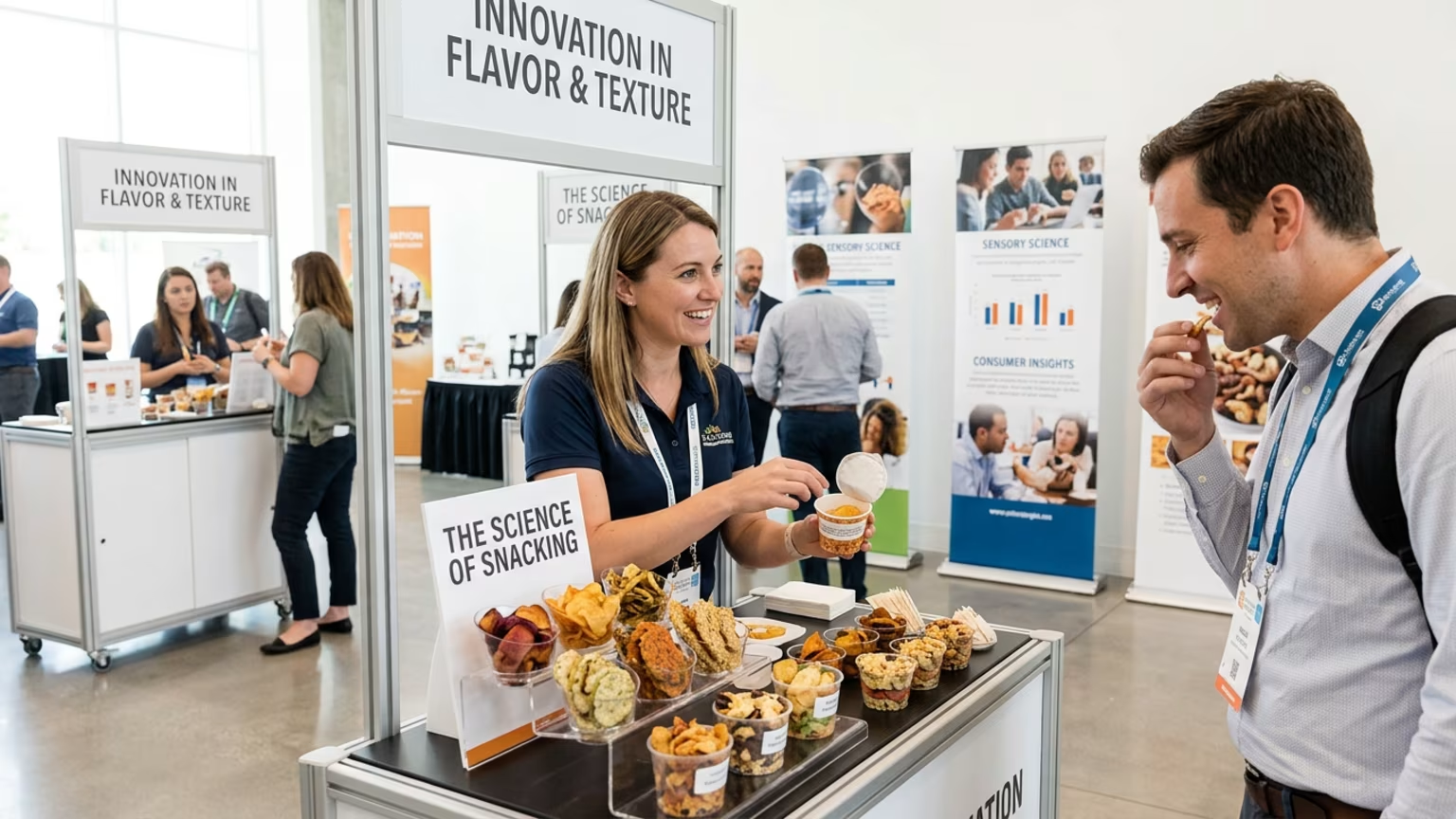
Industry research shows a massive shift toward multisensory product development across the snack and beverage categories. For experiential marketers, staging these sensory cues correctly is the most effective way to drive trial and secure retail placement.
Recent industry reports confirm that multisensory innovation is rapidly reshaping the entire consumer packaged goods sector. This shift matters. It fundamentally changes how buyers evaluate your product in real time. Brands that ignore texture, aroma, or sound will quickly lose market share to competitors who engage the whole consumer.
Walk onto any major expo floor and you will witness a complete disconnect from this consumer demand. The floor is loud, crowded, and aggressively overwhelming. Marketers invest heavily in massive booth structures but completely ignore the actual human experience of tasting the product. Brand ambassadors stand passively behind folding tables. Attendees rush past them without a second glance.
You have roughly three seconds to stop a wholesale buyer in their tracks. When brands just hand out a pre-packaged sample without context, they waste that golden window. The sample ends up at the bottom of a heavy canvas tote bag. It is completely separated from the brand story and the intended emotional response.
Many marketing budgets are drained by activations that look impressive on paper but fail to convert on the floor. When you ignore the physical reality of how buyers taste food, you lose control of the sales narrative. A beautifully designed booth cannot save a flat product interaction. The brand experience must engage the body before it engages the mind.
To solve this problem, marketing leaders must build activations that deliberately engage multiple physical senses at once. According to recent coverage by Food Navigator USA on Mintel research, successful product innovation now relies heavily on layered sensory inputs. Sensory inputs like texture, color, and sound are no longer secondary features. They are primary drivers of trial and repeat purchasing behavior.
We have been connecting brands with people through live experiences, retail programs, and national activations since 1995. Over three decades, we have built a track record of creating meaningful brand moments across the country. Our core philosophy is that an event footprint must sound, smell, and feel exactly like the product itself.
You cannot expect a flat, one-dimensional interaction to yield a memorable business outcome. The strategic fix involves mapping out every single sensory touchpoint before the event planning even begins. You must ask yourself how a visitor will perceive your brand from twenty feet away. You must dictate exactly how the product will feel in their hands.
Your event structure should act as a physical extension of your product packaging. If your beverage brand promotes high energy, the booth acoustics and lighting must reflect that exact intensity. If your snack brand focuses on calm wellness, the tasting zone must provide a quiet sanctuary from the expo noise. Every sensory detail must align perfectly with your core brand positioning.
Many teams are currently evaluating how blending physical trials with digital amplification drives lasting consumer habits. That blended approach requires a strong foundation in these core sensory elements. If you want to stand out, your retail activation needs to trigger a distinct emotional response through carefully staged physical cues.
Translating a complex multisensory strategy into a live event format requires strict operational discipline. You cannot rely on hope or spontaneous interactions to deliver a specific brand message. Follow this step-by-step guide to implement these sensory tactics effectively on a chaotic trade show floor.
This methodology transforms a standard sampling booth into an immersive brand environment. When you execute these steps properly, you stop relying on the attendee to figure out why your product matters. You guide their perception at every single step of the tasting process.
If you plan to scale this exact strategy across multiple cities, your logistics and supply chain must be flawless. Many operators are now analyzing how brands plan mobile roadshow tours and pop-up activations in 2026 to maintain this sensory consistency nationwide. Precision in the field is what separates a strong concept from actual pipeline generation.
A multisensory activation is functionally useless if your team cannot measure its direct business impact. Generating a clear Return on Investment requires tracking both immediate actions on the floor and long-term sales outcomes. You must define your performance metrics before the booth structure is even built.
Lead metrics give you real-time data during the live event itself. You should track the total number of qualified samples distributed per hour by your brand ambassadors. Monitor the dwell time of visitors who engage with your sensory displays compared to those who just walk by the booth. You must track the immediate conversion rate for on-site email signups or digital coupon scans.
Lag metrics tell the actual revenue story long after the event ends. Look closely at the retail sell-through rates in the targeted regional markets where your activations took place. Measure the follow-up meeting conversion rate for the wholesale buyers you interacted with on the floor. These numbers determine if your event strategy actually moved the needle.
Do not let vanity metrics cloud your judgment during post-event reporting. A high volume of total booth visitors means nothing if they did not engage with the sensory elements. You must train your staff to log qualitative feedback alongside the hard numerical data. This combined reporting approach gives leadership a clear view of how the market perceives your new product.
Building a reliable measurement framework prevents your marketing budget from turning into unquantifiable brand theater. Many organizations are now building a unified event reporting dashboard to provide clear performance tracking. Teams aiming for a high-performing lead generation and event-driven pipeline rely heavily on these exact lagging indicators. Data is the only way to prove that sensory marketing actually drives commercial growth.
Consider a recent field launch for a premium sparkling beverage brand at a major national industry expo. Instead of simply pouring liquid into cheap plastic cups, the field marketing team focused entirely on sound and temperature. They built a custom chilling station that frosted the heavy glass tasting vessels on demand.
Brand ambassadors were strictly trained to crack the cans open right next to the prospective buyer. This intentional action amplified the distinct sound of the high-pressure carbonation. The sharp crack and the immediate freezing touch bypassed all the visual clutter of the surrounding competitor booths. This simple, focused multisensory approach tripled their qualified buyer meetings compared to their previous year.
The buyers who engaged with this chilled tasting station lingered at the footprint three times longer than average. They asked detailed questions about the ingredient profile and distribution timeline. The sensory hook provided the exact opening the sales team needed to initiate a real business conversation. Experiential marketing works best when it removes friction from the sales process.
This success occurred when they stopped selling a beverage and started selling a physical sensation. They controlled the environment and forced the buyer to experience the product exactly as intended. It was a calculated operational maneuver masquerading as a delightful brand moment.
The most successful brands recognize that humans process new information through physical sensation first. Remember that chaotic, overwhelming trade show floor where most samples end up lost in a canvas tote bag? You can rise above that noise by staging deliberate, multisensory touchpoints that demand attention. If you want to turn fleeting consumer interactions into qualified leads, book a strategy call with our experiential planning team today.

30 Years Experiential & Retail Activation Partner for CPG & Beverage Brands | Multi-Market Demos, Roadshows & Costco/Club Programs That Actually Sell