Robbie Thain
Founder, CEO

Learn how AI route optimization and real-time fleet visibility turn chaotic experiential mobile tours into predictable, measurable commercial success.
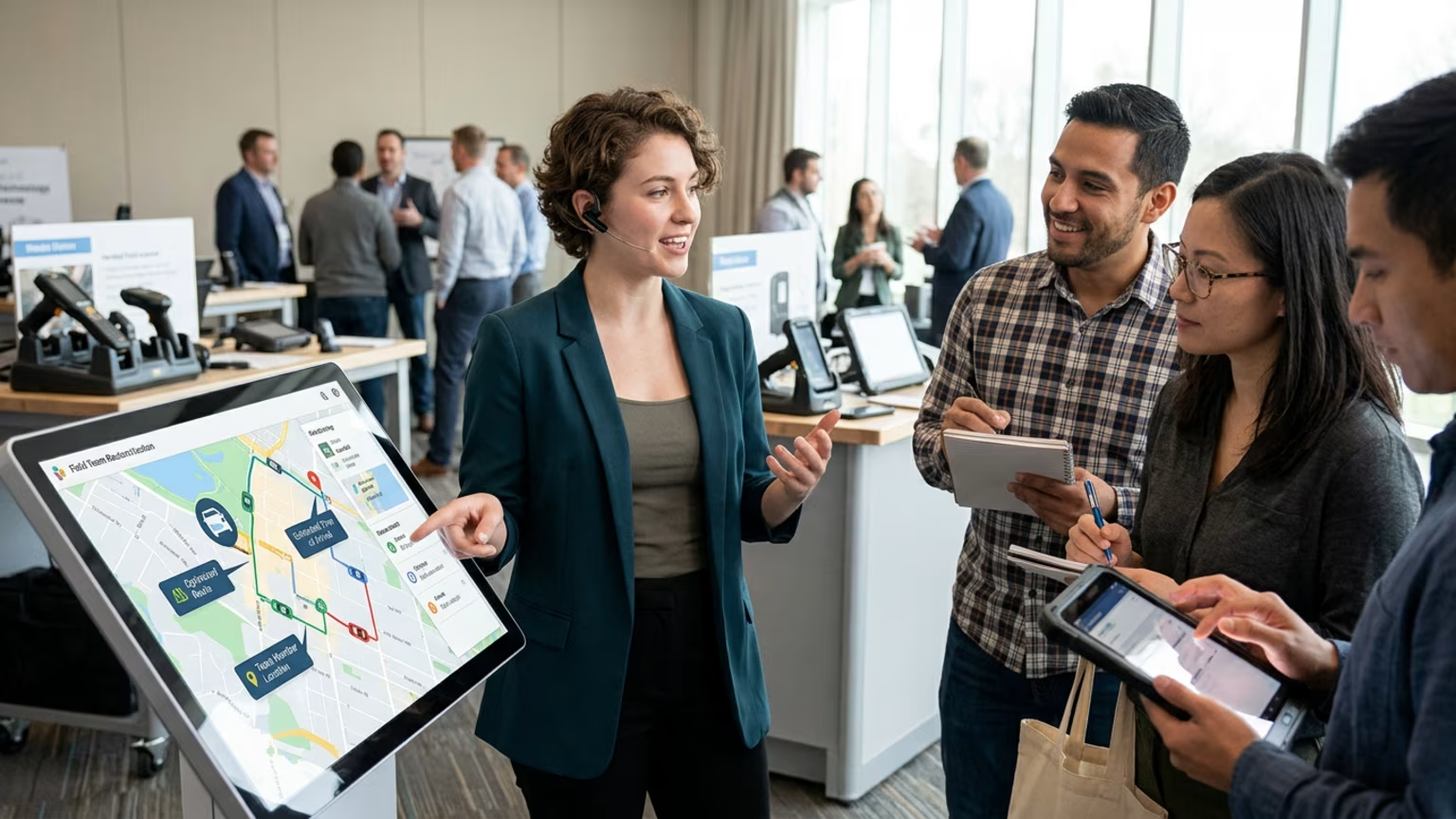
New logistics technology is bringing predictive route optimization and real-time fleet visibility directly into experiential field marketing. By adopting these enterprise-grade tracking platforms, brands can eliminate missed arrival windows, increase daily activations, and turn chaotic mobile tours into measurable commercial wins.
It is opening day for a major consumer packaged goods sampling tour across three key cities. The field managers locked the routing plan at dawn. A surprise road closure hits the main highway, a key retail partner demands an earlier setup time, and the primary sampling vehicle is stuck in a loading dock queue. The operations team back at headquarters is completely blind to the cascading delays.
Field marketing relies heavily on precise arrival windows and the efficient movement of pop-up infrastructure. When static morning plans collapse under real-world pressure, brand ambassadors are left apologizing to store managers instead of interacting with customers. The resulting friction destroys consumer engagement quality and drains budget from the campaign. Missing an activation window means lost product trials and damaged retail relationships.
The cost of running blind is staggeringly high for modern brands. Field teams without real-time tracking spend hours trying to salvage a broken schedule through frantic text messages. Venue managers grow frustrated with late arrivals and poor communication. The entire operational focus shifts toward crisis management rather than executing a premium brand experience.
A chaotic field deployment ruins the very emotional connection that experiential marketing is supposed to build. Customers notice when brand ambassadors look rushed, stressed, or disorganized upon arrival. The brand loses credibility before the first sample is even handed out. Relying on outdated spreadsheets to manage a living supply chain is a recipe for commercial failure.
Logistics industry leaders are abandoning traditional scheduling in favor of dynamic route optimization engines. These platforms continuously recalculate paths based on real-time traffic, weather patterns, and shifting operational constraints. According to industry analysts at Logistics Business, end-to-end visibility is now the new battleground for reliable execution. Brands that treat their experiential campaigns with the same operational rigor as supply chain logistics gain a massive commercial advantage.
We handle every step of activation execution with precision and purpose, from initial concept through final logistics. Our comprehensive approach guarantees that each program is designed to spark curiosity, drive action, and leave a lasting impression on consumers. Modern artificial intelligence serves as a capable co-worker for our field managers. It monitors real-time progress across all mobile tours and escalates exceptions before they impact the final customer experience.
Recent deployments of predictive logistics software show impressive results across distributed fleets. According to Mobility InfoTech Logistics, these systems typically deliver a 10 to 25 percent reduction in operating costs and a 20 to 30 percent increase in completed stops per day. For field marketing directors, this translates directly into more brand interactions and a higher Return on Investment (ROI) without expanding the core team. When AI handles the complex calculus of rerouting, human operators can focus entirely on delivering a premium experience.
Emerging platforms embed artificial intelligence directly into the daily operational workflow. This creates intelligent execution where the system does not just identify a problem but actively initiates the fix. The software will automatically alert upcoming retail locations about a delay and suggest re-prioritizing the remaining stops for the day. This proactive approach saves countless hours of manual triage for the operations team.
Many initial route optimization deployments suffer from a performance plateau after the first few months. The algorithms begin to stagnate when operational constraints change and teams stop feeding the system accurate daily data. Continuous monitoring and regular re-optimization of rules are required to sustain long-term impact. By actively updating the platform with real-world feedback, brands can prevent their campaigns from losing operational efficiency over time.
Translating logistics capabilities into field marketing success requires a systematic operational framework. You need tools that sense disruptions, decide the best alternative, and act immediately. Here is the operational playbook for modern field routing:
Vanity metrics like total miles driven or raw attendance numbers do not impress chief financial officers. True commercial impact requires a strict focus on both lead operational indicators and lag performance outcomes. By connecting clear operational frameworks with real-world sales data, teams can defend their budgets with confidence. You must measure the exact cost of every brand interaction.
Lead metrics track the immediate health of your field deployment during the campaign. Monitor your on-time activation start rate for priority accounts to guarantee retailer satisfaction. Track the total completed stops per day against the baseline schedule to catch inefficiencies immediately. Keep a close eye on the raw cost per stop to identify bloated routes early in the program.
Lag metrics prove the final financial value of the campaign after it concludes. Calculate the exact cost per qualified lead generated at each individual venue. Measure the cost per incremental unit sold during the weeks following a retail demonstration. Compare these figures across different regions to isolate which route optimization rules yield the highest financial return.
Merging your point-of-sale tracking with GPS timestamps unlocks a new level of campaign clarity. You can analyze if on-time arrivals directly correlate with higher product trial rates at specific grocery chains. This data allows marketing leaders to translate traditional supply chain metrics into powerful commercial narratives. Precise measurement turns a chaotic mobile tour into a predictable revenue generation engine.
A premium beverage brand recently launched a cross-country mobile sampling tour using a modern tracking stack. In previous years, their teams struggled with fragmented communication and frequent last-minute schedule changes. They equipped their brand ambassadors with industry-grade smartphones running embedded route optimization software. The application continuously updated driving paths based on live traffic data and immediate retail feedback.
The system dynamically re-sequenced stops when a major outdoor festival was rained out unexpectedly. The artificial intelligence agent immediately redirected the promotional vehicles to high-traffic indoor retail locations nearby. The brand maintained its daily quota for product trials and avoided wasting expensive field hours. Rigorous contingency planning like this is the difference between a total loss and a profitable activation day.
The field managers maintained full control over the AI recommendations throughout the entire campaign. When the system suggested skipping a smaller boutique retailer to save driving time, the managers manually overrode the decision to protect a critical local partnership. This hybrid approach blended the raw efficiency of machine learning with the strategic nuance of human experience. The campaign finished under budget and ahead of its target lead generation metrics.
The success of the pilot program allowed the beverage brand to scale the technology across their entire national fleet. They established a unified dashboard that merged their routing logs directly with their primary customer relationship management system. This integration gave the executive team unprecedented clarity into how field logistics influenced long-term brand loyalty. The marketing department transitioned from defending their experiential budgets to actively leading the company in customer acquisition efficiency.
The resulting data proved that on-time arrivals directly correlated with higher consumer conversion rates. The marketing director used this hard evidence to secure expanded funding for the following quarter. If you are ready to bring this level of operational discipline to your next mobile tour, we should talk. Book a strategy call with our team today to build a high-converting field program.
At Makai, we turn the logistical complexities of live marketing into clear, measurable pipeline. We keep your brand moving forward, on schedule, and on target.

30 Years Experiential & Retail Activation Partner for CPG & Beverage Brands | Multi-Market Demos, Roadshows & Costco/Club Programs That Actually Sell


