Robbie Thain
Founder, CEO

Learn how treating trade shows as integrated campaigns with interactive data workflows turns random floor traffic into qualified meetings and measurable revenue.

The exhibit hall doors open at nine in the morning. Thousands of attendees flood the aisles with coffee in hand. Your field team stands ready by the demo counter. The noise level rises as the battle for attention begins.
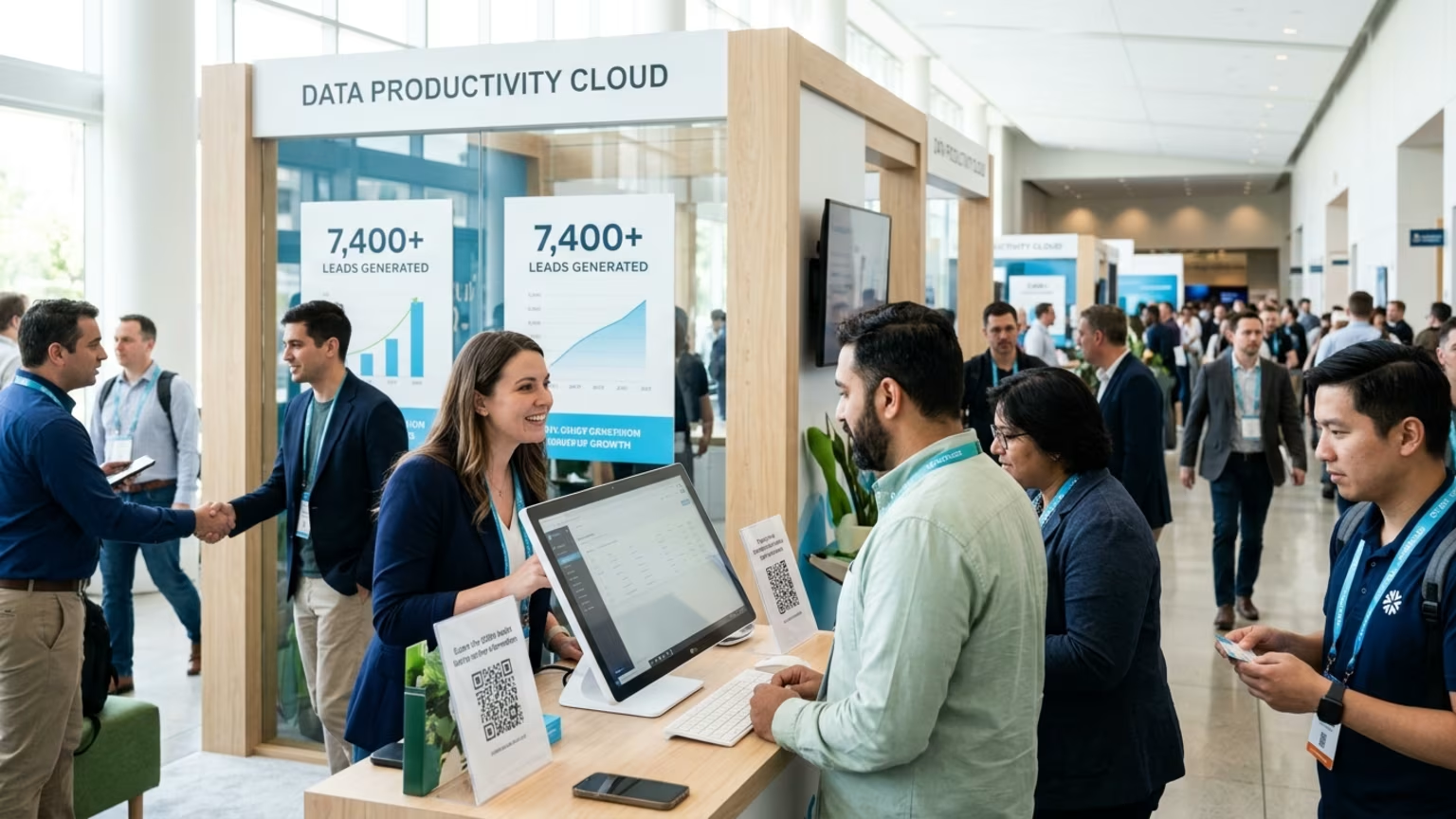
Modern trade shows require integrated campaigns that combine interactive experiences with rigorous data workflows. This approach transforms random booth traffic into qualified meetings and measurable revenue.
Marketing operators and brand directors know the standard drill all too well. A company spends hundreds of thousands of dollars on a massive corner footprint. The field team scans five hundred badges over three exhausting days. The marketing department uploads a massive spreadsheet to the sales team the following week.
Three weeks later, the sales director reports that almost all of those contacts are completely unresponsive. This happens since scanning a badge is a transaction, not a conversation. The classic model relies on passive displays and aggressive aisle barking. Visitors grab a free branded pen and walk away without any meaningful connection to the product.
The staff gets overwhelmed by the sheer volume of bodies in the space. They prioritize speed over qualification, which creates a massive pile of useless data. We have been connecting brands with people through live experiences, retail programs, and national activations since 1995. Over three decades, we have built a track record of creating meaningful brand moments across the country.
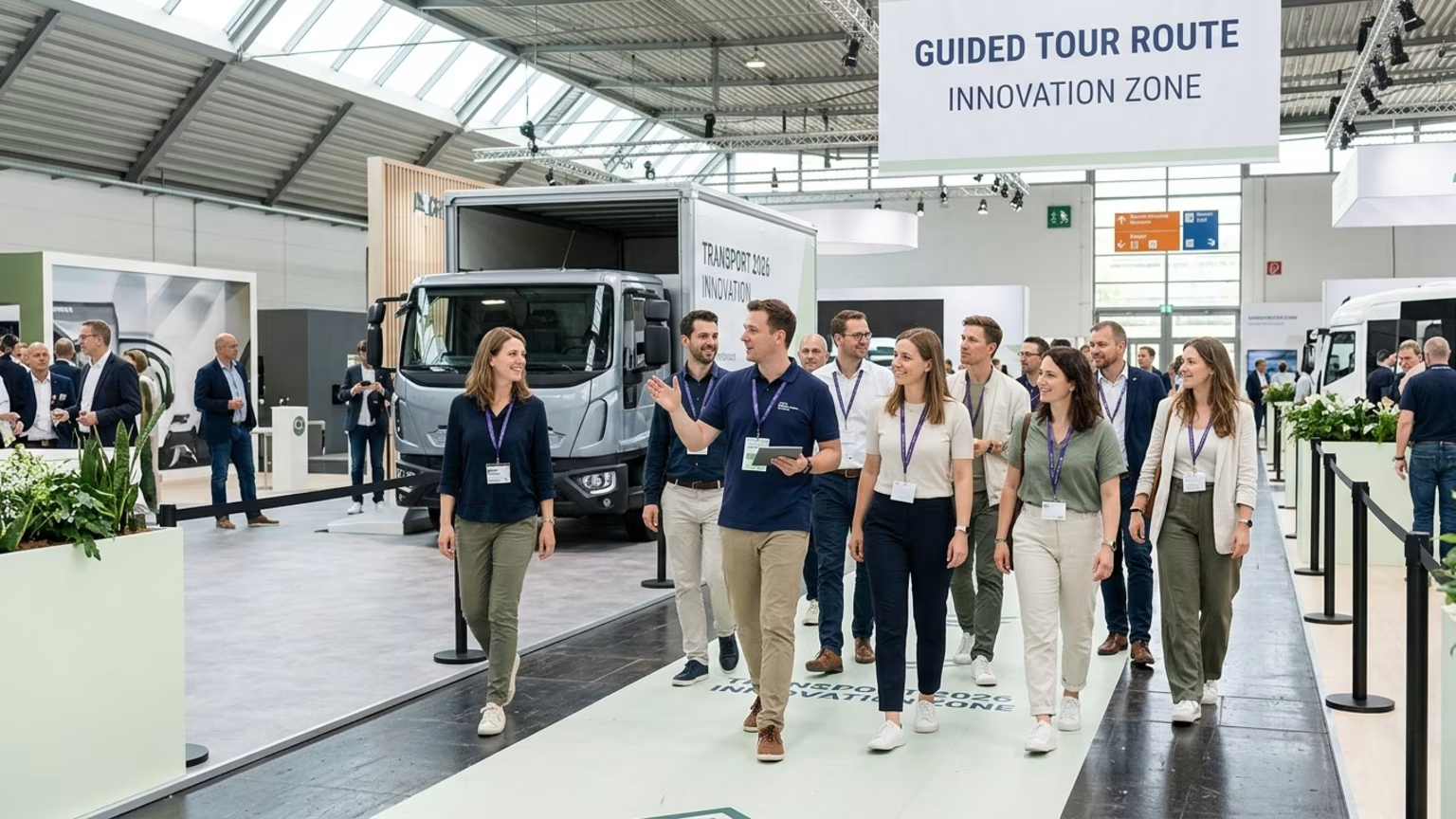
In our experience, the biggest failure point is treating the expo as an isolated event. When the creative design disconnects from field execution, a beautiful display produces fog instead of evidence. Executives walk away from the show feeling good about the crowds, but the pipeline remains completely empty. Recent industry reporting highlights a massive shift in how top tier companies approach these physical spaces. BizBash coverage of experiential marketing notes a heavy increase in guided product paths and in-booth content studios.
Leading brands are leaving passive displays behind in favor of active participation. They realize that attention is too expensive to waste on a basic badge scan.
The solution requires treating the show as a highly structured campaign moment. Every physical element must serve a distinct purpose in the sales process. This means aligning the creative vision seamlessly with customer relationship management workflows. The physical space must function as an intentional filter for the sales team.
You must replace the old fishbowl approach with interactive installations. When an attendee engages with a digital touchpoint, they make an active choice. This choice provides valuable context about their specific pain points and interests. Integrating interactive technology into live brand moments forces attendees to participate rather than just observe.
A structured approach requires deep coordination long before the doors open. Field teams need exact instructions on how to handle different tiers of visitors. The technology stack must sync with your central database in real time. If a premium buyer interacts with a demo station, the system should flag them immediately.
The core philosophy is capturing opt-in data through a fair exchange of value. You offer the attendee a customized experience, an insightful report, or a personalized product trial. In exchange, they provide accurate information and permission to follow up. This mutual exchange builds trust instantly on the trade show floor. The attendee feels heard rather than aggressively sold to. Your brand positions itself as a premium advisor rather than a desperate vendor.
Translating this framework to the real world requires a rigid operational playbook. You cannot leave booth flow to chance or assume your staff will figure it out spontaneously. Every physical movement and data transfer must follow a pre-planned route. This discipline keeps the chaos out and the conversions high.
Marketing operators face immense pressure to justify their event budgets to executive boards. Pointing to a massive list of scanned names will not satisfy a chief financial officer. You must define clear performance indicators that prove a genuine Return on Investment. This requires tracking the immediate actions on the floor and the financial outcomes months later.
Lead metrics show you if the booth is functioning correctly during the event. You should measure the average dwell time at your interactive stations. A longer dwell time indicates that the content is actually resonating with the audience. You must track the exact number of pre-scheduled meetings that actually took place.
You should monitor the percentage of total leads that your field team actively qualified with notes. Lag metrics reveal the true financial impact of your physical presence. The most important number is the total pipeline revenue generated exclusively from booth interactions. You must evaluate the sales cycle velocity for these specific contacts.
Typically, an interactive lead capture process on the show floor creates deals that close much faster than standard web inquiries. Measuring the closed won revenue against your total event spend provides your final verdict. Reporting these numbers accurately requires pristine data hygiene from day one. If your staff fails to log their interactions, the marketing team cannot build a reliable report.
These integrated data workflows are not optional features. They are the fundamental foundation of modern event measurement. Without these structures in place, your marketing team is just guessing at what actually works. Relying on gut feelings will inevitably lead to budget cuts in the next fiscal year.
Theoretical frameworks only matter if they survive contact with the real world. Consider a fast growing beverage company launching a new functional drink at a massive food expo. In previous years, they poured generic samples into tiny cups for anyone walking by. They burned through thousands of dollars of product and collected completely useless data.
This year, they deployed a highly structured experiential activation. They built a guided tasting progression anchored by interactive digital kiosks. Visitors approached the kiosk and answered three quick questions about their daily energy levels and flavor preferences. The system printed a customized tasting ticket based on their answers.
This exchange captured pristine first-party data before a single drop of liquid was poured. The brand ambassadors took the ticket and poured the specific sample recommended by the system. This transformed a mindless transaction into a personalized consultation. The field staff used the data on the ticket to start a highly relevant conversation with the buyer.
Since the system was fully integrated, the CRM automatically queued up a targeted follow up email. The sales team received a manageable list of highly qualified retail buyers instead of a bloated spreadsheet. The automated emails referenced the exact flavor the buyer tasted on the floor. This precision dramatically increased the response rate and shortened the sales cycle.
The activation stopped being an expense and became a predictable revenue engine. The marketing director could finally point to a concrete dollar amount generated directly from the expo floor. This success secured their expanded event budget for the following year.
The days of showing up with a nice display and hoping for the best are over. Generating real pipeline requires intentional design, rigorous training, and flawless data integration. Every physical touchpoint must serve a specific operational goal. Brands that adopt this discipline dominate the aisles and command attention.
You do not have to manage this massive operational shift alone. Our team understands how to align creative activations with hardcore sales metrics. We build physical environments that force engagement and capture actionable insights. Book a strategy call with us to start building your next high performance campaign.
Map out your exact data flow and CRM integration before you finalize a single booth blueprint.

30 Years Experiential & Retail Activation Partner for CPG & Beverage Brands | Multi-Market Demos, Roadshows & Costco/Club Programs That Actually Sell