Robbie Thain
Founder, CEO

Learn how top CPG brands double qualified leads by shifting trade show booth strategy toward pre-booked meetings, focused demos, and controlled attendee flow.

Scanning badges for the sake of high booth traffic is a fast track to wasted marketing spend. The era of the open-concept trap is over. Brands are trading chaotic crowds for controlled, high-intent environments. Today, top marketers are redesigning trade show spaces around scheduled meetings and structured demo stations to double qualified lead volume. This guide breaks down how to replace passive foot traffic with an engineered attendee flow that drives predictable pipeline.
Imagine a standard expo hall filled with flashing screens and confused attendees. The aisles are packed with people hunting for free pens, snacks, and mindless entertainment. Your sales team stands at the edge of the carpet attempting to grab the attention of distracted passersby. By noon, the booth feels like a busy train station with zero real conversations taking place.
This fragmented attention creates a massive gap between event costs and measurable Return on Investment (ROI). The worst part is returning home with a massive spreadsheet of unqualified names. Marketing managers stare at thousands of badge scans that represent absolutely no buying intent. Sales representatives waste weeks calling numbers that go straight to voicemail.
The trade show environment represents one of the largest single line items in a corporate marketing budget. For decades, companies justified this massive expenditure through vague metrics like brand awareness and total booth scans. Marketing teams would return to the office, export a list of a thousand names, and consider the event a massive triumph. The reality of modern field marketing demands a much harder look at actual financial returns.
Industry research consistently shows that high attendee volume rarely translates into high sales volume. An undirected crowd creates noise that actively repels serious retail buyers. When a Vice President of Purchasing sees a clogged aisle, they simply walk past your space. They do not have the time to fight through casual onlookers to ask detailed product questions. This dynamic leaves brands frustrated and questioning the value of their event budgets. The traditional model of standing and smiling is fundamentally broken. It places the burden of qualification entirely on the buyer rather than the exhibitor. You end up serving the masses while ignoring the precise individuals who can move your business forward.
We specialize in creating retail demos, product sampling programs, and roadshows that bring brands face to face with their audiences. Each program is designed to drive trial, build consumer relationships, and accelerate retail velocity across multiple locations. In our experience, waiting for the right buyer to stumble into your space is a failing plan. You must treat your footprint as a precision closing room instead of a billboard.
The strategy requires a complete redesign of both your physical space and your pre-show outreach. You move from a wide open layout to a highly filtered experience. This means dedicating the majority of your square footage to private meeting areas and focused demo stations. It involves replacing casual booth staff with targeted roles like appointment setters and subject matter experts.
The primary goal is to filter out the noise and create a high-value environment for serious buyers. Incorporating an intentional layout design helps direct traffic away from casual browsers and straight toward your sales team. This approach requires brands to rethink their entire messaging hierarchy. Your graphics and signage should speak directly to targeted pain points rather than offering generic slogans.
Pre-show marketing becomes the true engine of your live event success. You stop relying on the event organizer to supply your leads. Instead, your team runs targeted campaigns to secure commitments from your exact ideal customer profile. When your calendar is full before the doors even open, the actual event becomes an execution exercise. This strategic alignment guarantees that every square foot of your booth is optimized for conversion.
Turning this strategy into reality requires operator-grade discipline and a clear tactical plan. You cannot simply build a meeting room and hope people show up. The execution must be flawless from the first promotional email to the final firm handshake. Here is the step-by-step methodology to implement this high-intent system.
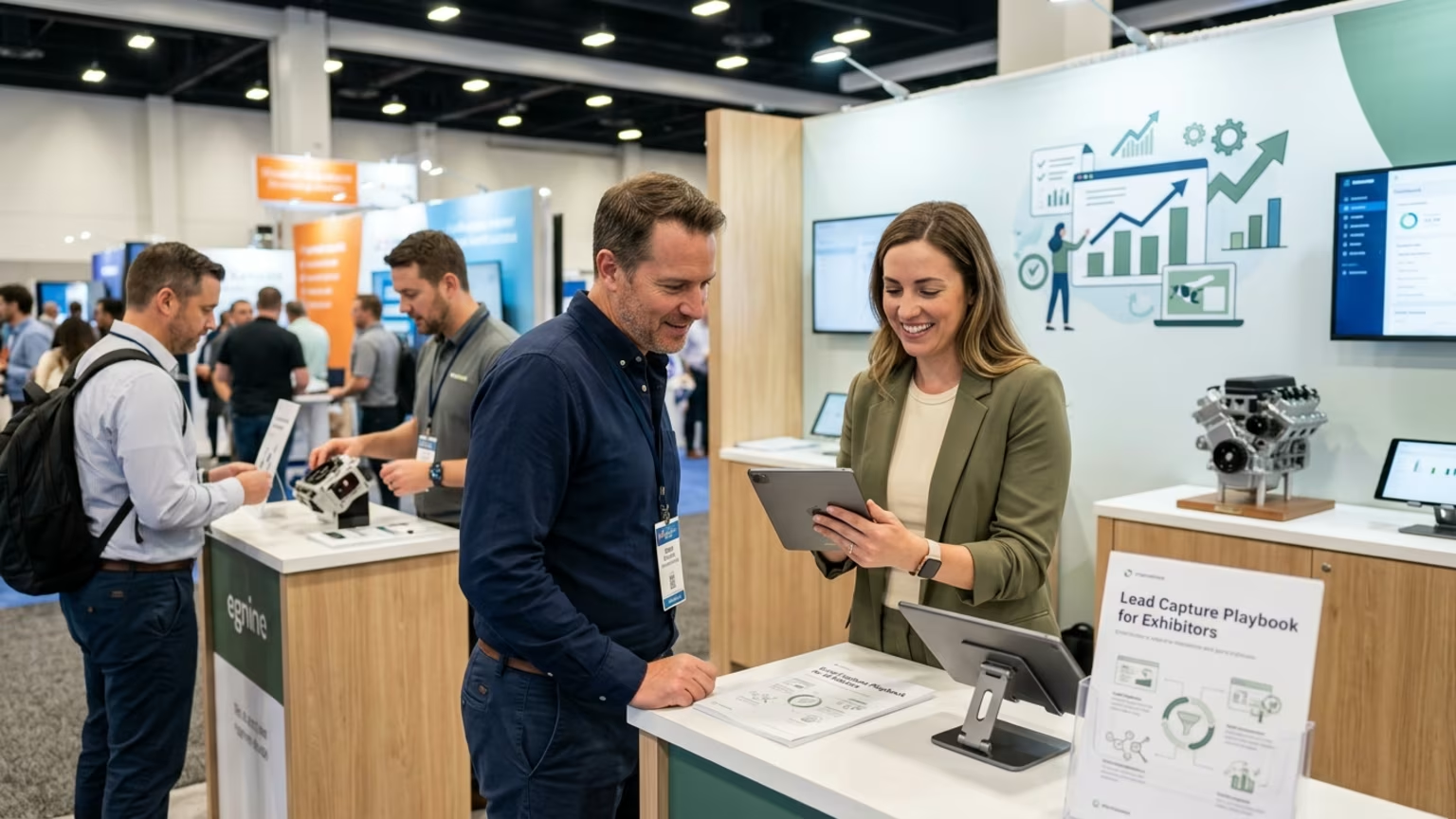
Design your floor plan to act as a physical funnel. Place a low-friction welcome desk at the edge of your space to qualify visitors immediately. This physical barrier prevents unqualified traffic from consuming your expensive sales resources. It creates a natural sorting mechanism right at the border of your footprint.
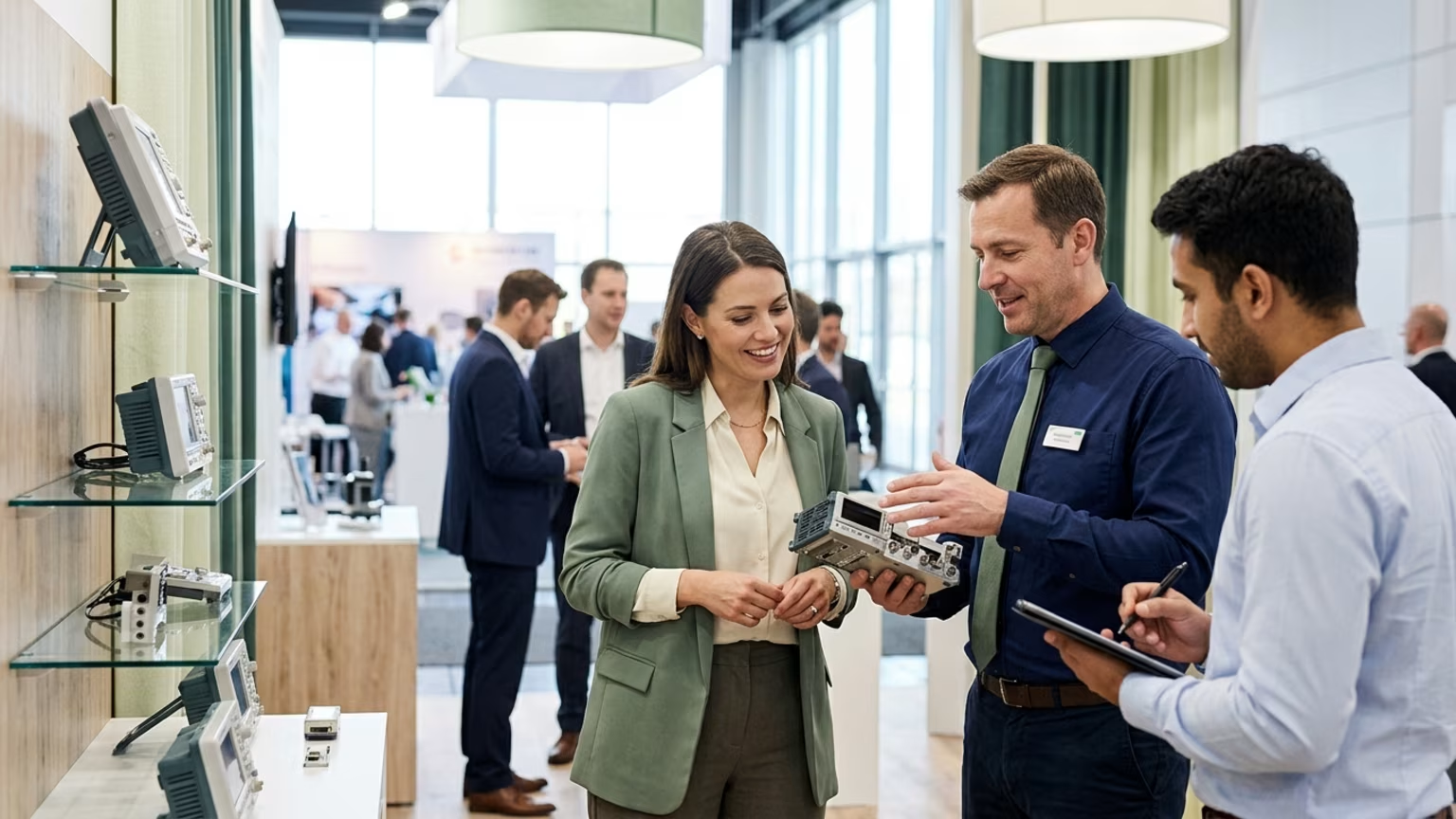
Stop letting your entire team stand around the perimeter without a specific purpose. Assign specific staff members to greet, qualify, and route attendees to your product experts. Your account executives should never hand out promotional flyers or answer basic directional questions. They must remain stationed in meeting zones to handle serious closing conversations.
Start outreach weeks before the event to fill your sales calendar with qualified targets. Use targeted emails and direct phone calls to lock in specific meeting times. Provide clear value propositions detailing why a retail buyer should dedicate fifteen minutes to your team. A packed schedule eliminates the anxiety of an empty booth on day one.
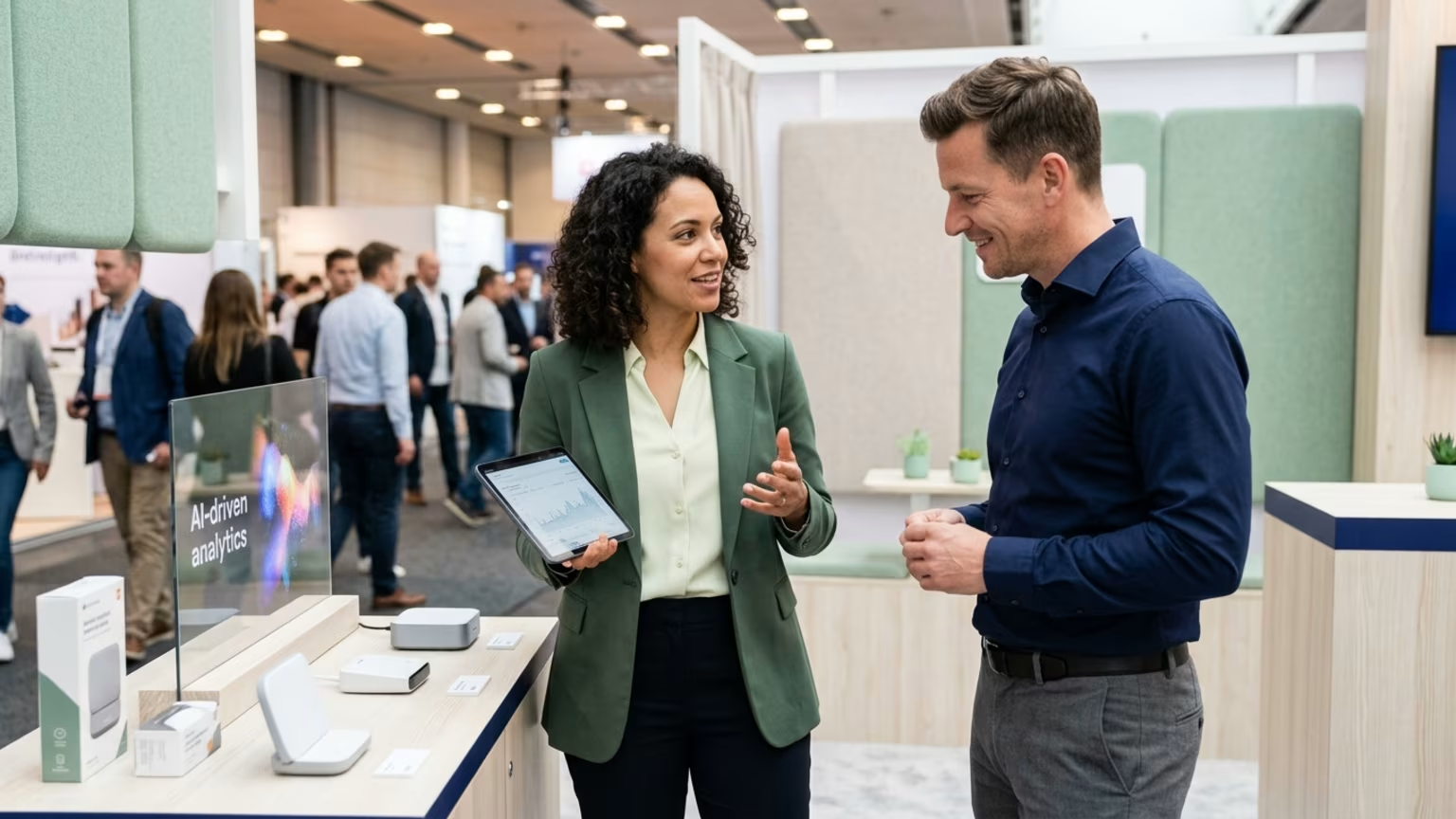
Create dedicated zones for hands-on product interaction and detailed sampling. Equip these stations with strict messaging that addresses core buyer problems directly. Train your ambassadors to guide visitors through a structured trial experience rather than just handing out free items. This structured approach builds immediate product trust and accelerates the buying timeline.
Host structured mini-presentations at set intervals rather than running continuous video loops. This creates urgency and forces interested buyers to gather at specific times. A posted schedule of live product breakdowns acts as a powerful magnet for high-intent attendees. It transforms your space from a passive display into an active learning environment.
Create a seamless handoff process between your qualification staff and your closing team. When a targeted buyer approaches the desk, the greeter must smoothly transition them to the right executive. This professional routing signals competence and respects the valuable time of your prospective client. A clean handoff prevents high-value targets from wandering away in frustration.
Build a rigid protocol for post-event communication before the show begins. Your team must know exactly what happens to a lead after a successful demonstration. Assign specific timelines for email outreach and calendar invites. A pre-booked meeting means nothing if the subsequent follow-up process breaks down.
Implementing these steps effectively will turn your exhibit into an engine that books real meetings and builds pipeline. You move away from hopeful participation and step into calculated revenue generation.
You cannot improve what you refuse to measure accurately. The shift from vanity numbers to revenue tracking requires a tight grip on specific data points. First, track your lead metrics like the number of pre-booked meetings successfully completed. You must measure the percentage of total visitors who progress to a formal product demonstration.
These early indicators tell you if your physical flow and staff roles are actually working. If you have high foot traffic but low meeting completion rates, your qualification desk is failing. If your meeting completion is high, your pre-show outreach strategy was highly effective. Another critical lead metric is the average duration of interactions at your demo stations.
Next, you need to monitor lag metrics to prove long-term business impact. Measure the conversion rate of event leads into qualified sales opportunities within thirty days. Track the total generated pipeline value directly attributed to conversations that happened inside your meeting spaces. Calculate the exact cost per qualified meeting to determine the efficiency of your space.
Quality always overrides sheer volume in a high-intent strategy. You should track the title and purchasing power of every individual who enters your meeting space. A hundred badges scanned from junior employees carry less weight than five conversations with regional directors. Documenting the specific roles of your engaged visitors proves the strategic value of your physical layout. These specific figures give your leadership team the confidence to approve future event budgets. When you present hard data on meeting conversions, you eliminate the debate over event value. To tighten your tracking process and build a custom scorecard, book a strategy call with our expert team today.
Consider a recent national beverage brand that needed to secure major wholesale distribution. Their past events featured open coolers, casual sampling, and massive crowds with terrible follow-up results. We helped them restructure their entire presence for an upcoming major food and beverage expo. The front of the space featured a strict qualification desk managed by a trained appointment setter.
Behind this desk, we built three private tasting suites designed strictly for retail buyers. The brand ran scheduled product sampling sessions that walked buyers through margin profiles and shelf placement strategies. We trained the booth staff to turn away casual samplers politely and redirect focus to scheduled guests. The entire atmosphere shifted from a loud party to a professional product showcase.
The volume of casual badge scans dropped significantly compared to previous years. The brand scanned fewer than half the badges they normally captured at this specific industry gathering. Yet, the brand doubled its number of highly qualified retail leads and signed four major distribution deals. This physical and tactical restructuring proved to be incredibly lucrative.
This proves that bridging live events with retail growth relies entirely on intent over volume. By prioritizing the quality of the interaction, the brand drastically shortened its average sales cycle. They realized that ten deep conversations with regional buyers beat a thousand generic badge scans every time. When you remove the friction from the buying process, you accelerate the entire sales cycle. Retail buyers appreciate vendors who respect their time and eliminate unnecessary distractions.
Many marketing leaders fear the optical shift of a controlled booth space. An empty aisle in front of a private meeting room can feel intimidating at first glance. Executives walking the floor often mistake massive crowds for massive success. You must proactively educate your internal leadership on the difference between optics and outcomes.
Share your meeting calendar with the executive team before they arrive on site. Show them the list of confirmed buyers, regional managers, and key accounts locked into specific time slots. When they understand the financial weight of those scheduled conversations, the lack of a chaotic crowd becomes a badge of honor. A quiet booth full of closed-door meetings is far more profitable than a loud party.
This alignment protects your field marketing team from misinformed criticism. It shifts the internal conversation from booth popularity to pipeline velocity. Your sales leaders will quickly recognize the efficiency of walking into a space filled with ready buyers. Ultimately, this structural change elevates the experiential marketing function from a cost center to a revenue driver.
Those flashing screens and crowded aisles will always exist on the expo floor. Attendees will continue to wander aimlessly in search of free branded merchandise and casual entertainment. But your team no longer needs to participate in that draining game of chance. You can leave the chaotic scrambling to your competitors.
By engineering your space for scheduled conversations, you transform chaos into total control. You stop hoping for traffic and start managing predictable revenue. When you align your physical space with a highly targeted meeting strategy, you win the event before it starts. The floor reality changes when you dictate the rules of engagement.

30 Years Experiential & Retail Activation Partner for CPG & Beverage Brands | Multi-Market Demos, Roadshows & Costco/Club Programs That Actually Sell