Robbie Thain
Founder, CEO

Discover how real time lead capture, QR sequences, and dynamic scoring turn chaotic trade show foot traffic into a measurable sales pipeline.
Recent technology updates reveal a massive shift toward integrated lead capture systems that rank trade show attendees in real time. Exhibitors are replacing blind badge scans with intentional QR sequences and dynamic scoring to turn booth traffic into measurable pipeline.
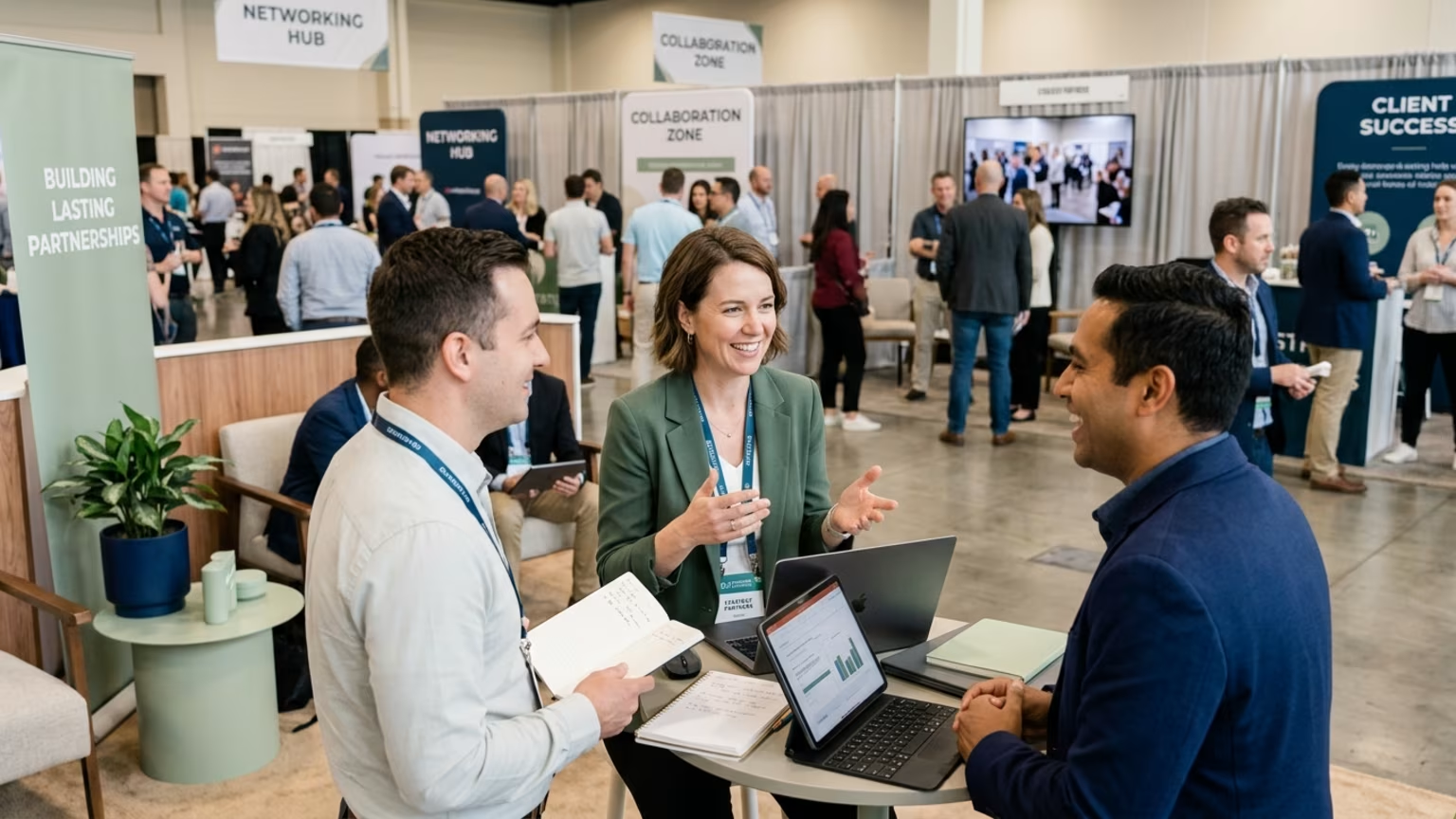
The convention center smells like stale coffee and floor wax. Your staff stands near a tall display counter with scanning devices in hand. Hundreds of people walk past the booth in a continuous blur of lanyards. A few stop for free samples, your team scans their badges, and the interaction ends within seconds.
The problem begins the moment those visitors walk away from the activation footprint. Most marketing teams return from these large expos with a giant spreadsheet of unverified names. Sales representatives stare at thousands of raw contacts without any context about actual purchasing intent. The lack of qualifying data forces them to send generic follow up emails that rarely get a response.
Event investments look like pure expenses when marketing cannot prove actual Return on Investment. This disconnect creates immense friction between the field marketing team and the sales department. Operators spend months coordinating booth designs, product shipments, and staff travel schedules. They execute flawless live moments that generate massive crowds and high energy interactions.
Yet the post event debrief often feels like a failure when the sales team cannot find a single qualified buyer. The gap between a busy booth and a closed deal remains the biggest hurdle for physical marketing. The old model of volume based data collection is completely broken. Collecting a thousand random badge scans offers no strategic advantage if none of those people have buying power.
The physical toll on the staff only compounds this reporting problem. Brand ambassadors stand on concrete floors for long shifts, repeating the same generic pitch to every passing face. When they lack the tools to differentiate a casual fan from a senior buyer, their energy drains quickly. This fatigue leads to sloppy scanning habits and missed opportunities with high value targets.
Attendees have grown tired of being scanned just to receive a branded pen or a generic brochure. They expect a personalized interaction that respects their time and addresses their specific business needs. A modern activation must protect the energy of the field team by giving them intelligent tools. The technology should handle the sorting automatically so the humans can focus on relationship building.
Exhibitors are completely redesigning booth flows to prioritize intentional data collection over sheer volume. The modern approach treats the physical space as a qualifying funnel for potential buyers rather than a static display. A recent industry technology update highlights the rapid adoption of integrated lead capture tools across major consumer brand activations. Brands are linking badge scanners directly to their customer relationship management software to capture live intent.
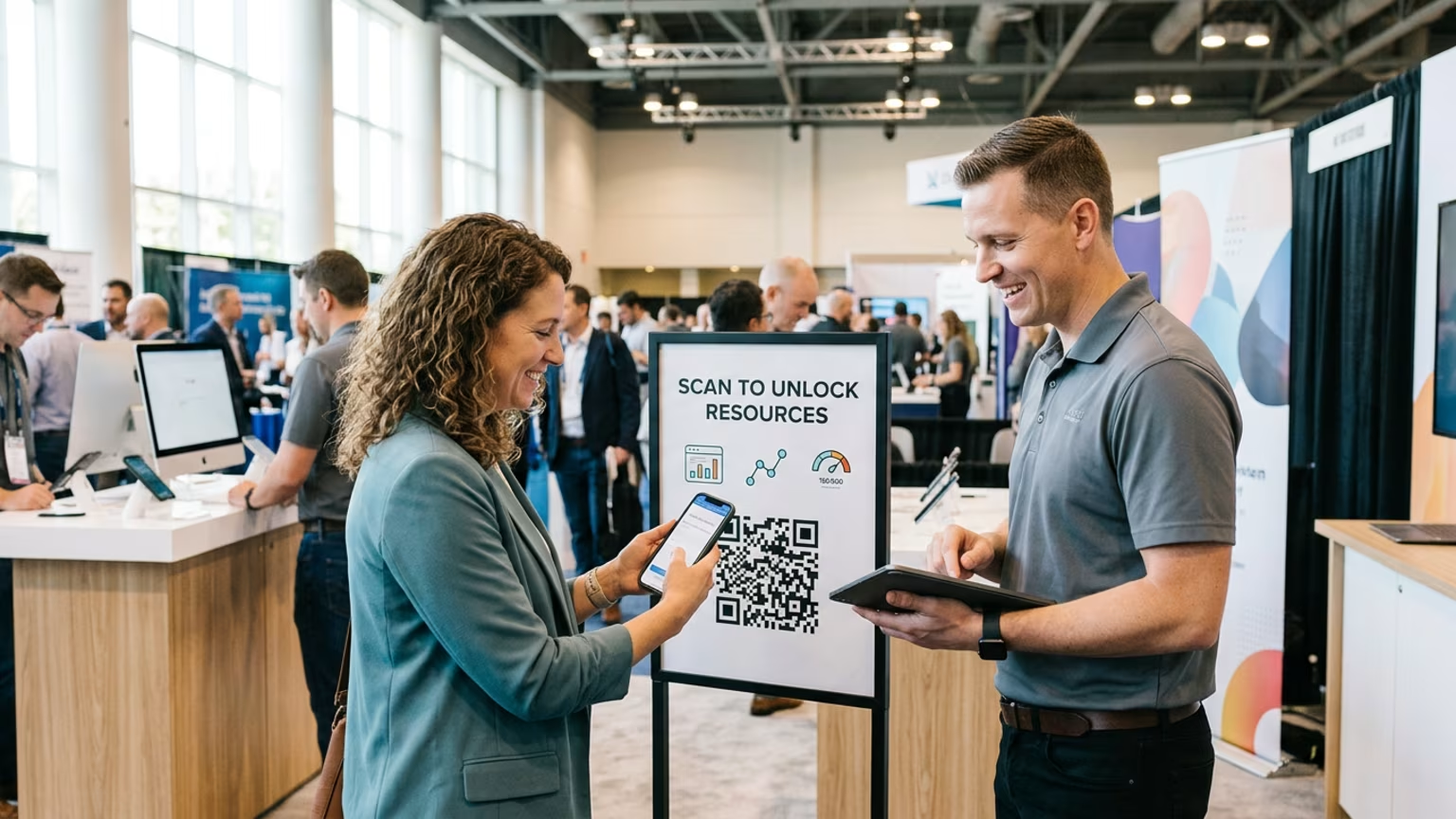
This integration allows marketing operators to track exactly what content a visitor engages with on site. Instead of relying on a single entry point, teams use QR driven content pathways placed strategically around the footprint. These targeted digital touchpoints capture nuanced data about specific product interests from each individual user. Visitors guide themselves through product specs or brand stories as the system builds a detailed buyer profile.
Real time scoring algorithms assign a value to each interaction before the attendee even leaves the booth. A person who simply grabs a snack gets a low score that requires minimal follow up effort. A visitor who completes a QR product tour and speaks with a manager receives a high priority tag instantly. This framework guarantees that sales teams only spend time on qualified opportunities that show actual purchase intent.
Implementing this technology bridges the gap between digital marketing and physical event execution. Marketing directors can finally track an individual from their first website visit to their live booth interaction. If a prospect downloaded a white paper last month, the onsite scanner can immediately display that history. The field representative can reference that specific document during the live conversation to build instant credibility.
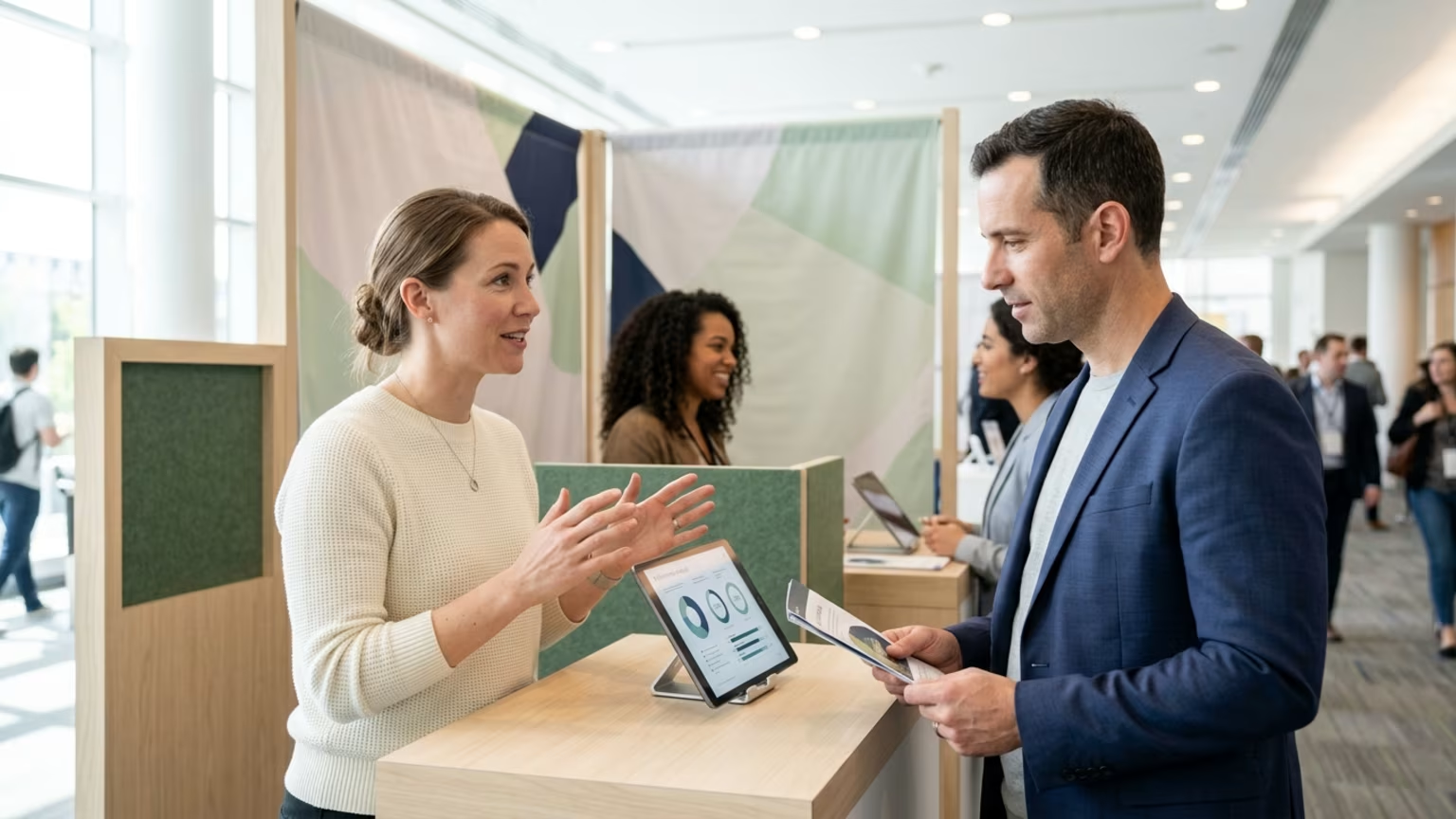
This connected ecosystem creates a seamless brand experience that builds trust and accelerates the sales cycle. Adopting this strategic model completely shifts the role of the field staff. Brand ambassadors transform from passive barcode scanners into active engagement facilitators. They guide conversations based on visual cues and point visitors toward the specific QR nodes that match their needs.
This orchestrated sequence turns chaotic foot traffic into an orderly line of scored prospects. The booth becomes an interactive machine that sorts and qualifies buyers automatically.
Transitioning from blind scans to intelligent lead capture requires rigorous planning and discipline. Marketing teams must align their technology, staff training, and physical booth layout months before the show floor opens. Rushing this integration often leads to technical failures and confused brand ambassadors during peak traffic hours. Follow these concrete steps to implement a smarter event strategy that produces reliable data.
Building this kind of operational machine takes significant effort and field expertise. We have executed over 1000 campaigns across all 50 states, bringing brands to life in every major U.S. market. From retail demos in Seattle to roadshows in Miami and events in Honolulu, our teams activate brands wherever our clients' audiences are located. Scaling a smart lead capture system across multiple regions requires airtight logistics and consistent field management.
If you need help turning your next expo into a predictable revenue channel, you can always book a strategy call with our team. We know exactly what it takes to build a framework that captures attention and pipeline simultaneously. Our approach blends creative engagement with ruthless data collection to drive measurable business growth.
The shift toward intelligent capture systems forces brands to adopt more mature reporting models. Foot traffic alone is a weak indicator that hides true performance behind big numbers. Operators need precise data points to justify their trade show budgets to the executive team. Tracking the right figures will clearly show your campaign success and secure future funding.
Lead metrics show you if the immediate physical activation is working according to plan. Track the ratio of total booth visitors to active QR pathway participants to gauge engagement rates. Monitor the average dwell time within specific product zones to understand what displays capture the most attention. Measure the percentage of leads that trigger a high priority score during the live event.
When teams utilize consistent CRM routing workflows, they can adjust their onsite approach before the expo ends. This allows field managers to fix broken processes immediately if a specific display fails to attract scans. A quick pivot can save thousands of dollars in wasted opportunity and correct the trajectory of the activation. Waiting until the post event debrief to analyze data is a costly mistake.
Lag metrics reveal the long term financial impact of the activation on the company bottom line. Measure the sales conversion rate of priority leads within thirty days post event to prove momentum. Track the total pipeline value generated by your most engaged attendees over the subsequent two quarters. Compare the close rates of high scoring event leads against your standard inbound digital prospects.
Tracking these concrete outcomes clearly demonstrates the financial return of your local event presence. The marketing team should present these metrics in a unified dashboard that the entire executive team can access. Transparency is the best defense against budget cuts when economic conditions tighten. Show the chief financial officer exactly how much revenue originated from a specific expo floor.
When the numbers prove that physical events generate faster conversions than digital ads, your budget becomes untouchable. Event organizers must adopt the same rigorous tracking standards used by digital marketing teams to survive.
A premium beverage company recently faced mounting pressure to justify their large trade show footprint. They previously collected thousands of raw scans that rarely resulted in new retail partnerships. The brand decided to overhaul their data collection process at a major national food expo. They installed distinct sampling stations, each featuring unique QR content about ingredient sourcing and distribution models.
Visitors who scanned the wholesale distribution materials were instantly flagged as potential retail buyers in the background system. The brand ambassadors received immediate mobile alerts to engage those specific individuals with targeted partnership pitches. This process filtered casual consumers out of the sales funnel and highlighted serious wholesale prospects immediately. The company successfully converted twenty percent of their priority leads into regional distribution agreements within six weeks.
Integrating unified event attribution tools completely changed their pipeline trajectory and restored executive confidence. The marketing team finally had hard proof that their physical activation directly influenced major retail contracts. They presented a clear line from a floor scan to a signed distribution deal. This level of transparency secured their event budget for the following calendar year.
The brand now replicates this exact scoring model across every local event and national roadshow they attend. Live experiences require serious operational discipline to produce real business results. Brands can no longer afford to treat events as unmeasurable brand awareness exercises. Focus on the data, train your teams well, and let the numbers speak for themselves.

30 Years Experiential & Retail Activation Partner for CPG & Beverage Brands | Multi-Market Demos, Roadshows & Costco/Club Programs That Actually Sell