Robbie Thain
Founder, CEO

Coca-Cola Philippines’ sampling offers use distinct participation paths. Makai examines the staffing, booth flow and measurement implications.
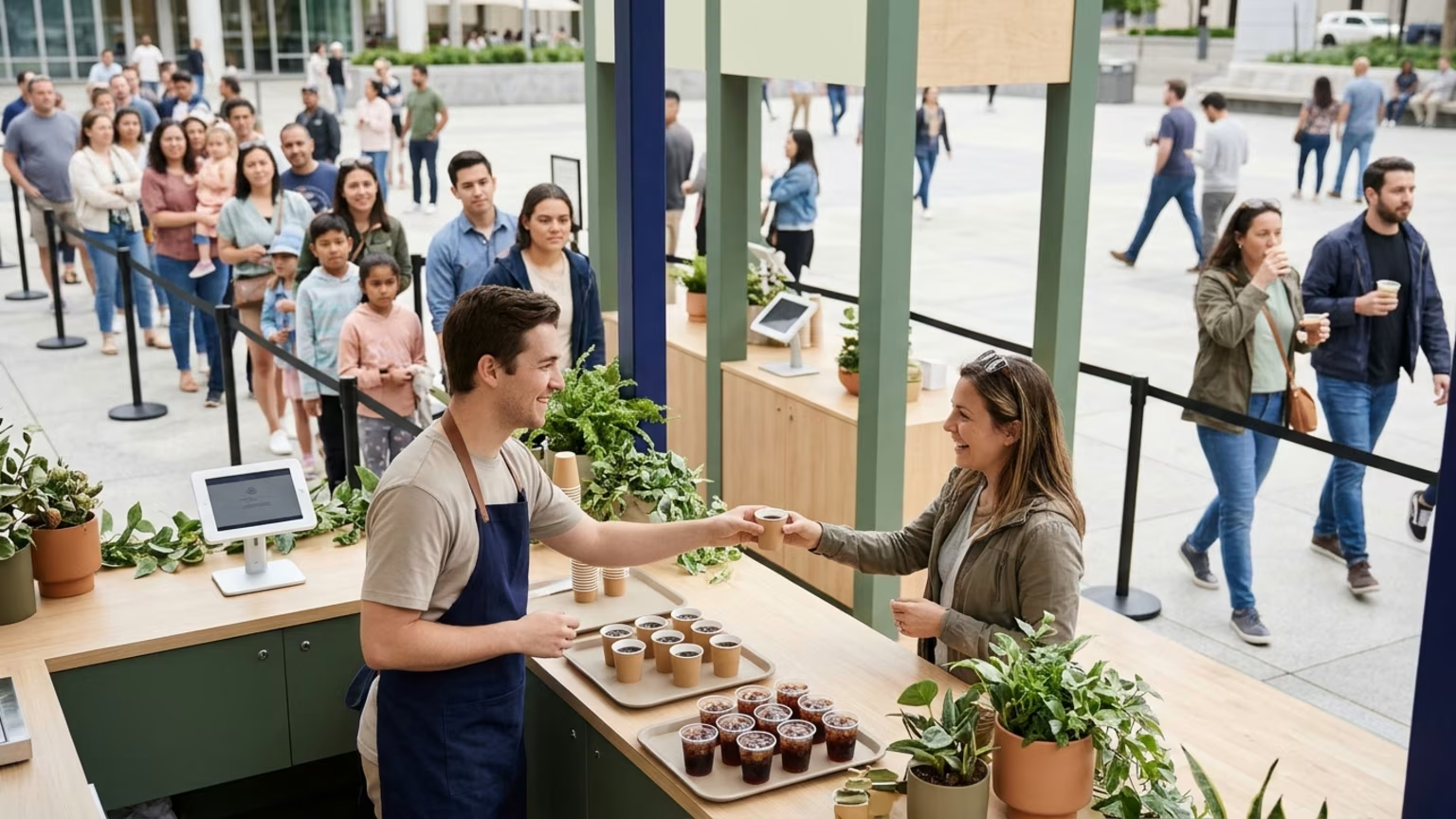
On October 14, 2026, Coca-Cola Philippines’ Royal Halloween 2026 event page described a registration-based offer pairing a free drink with photo-booth access. Participants could also share a photo strip online to receive Royal merchandise. The offer puts a concrete operational issue on the table for beverage marketers: a sample can be one step in a longer participation flow.
Coca-Cola Philippines’ broader sampling page presents several participation paths rather than one standard giveaway. It lists Coca-Cola, Royal and Sprite alongside Absolute Sprite, Powerade and Coke Zero. The visible descriptions assign specific mechanics to selected offers:
Powerade and Absolute Sprite appear in the featured lineup without separate activation cards or specified participation mechanics. Their presence should not be read as evidence that every featured brand follows an equivalent program.
The separate Royal Halloween page supplies more operating detail. Registration was required for a free limited-edition Royal Tru Halloween drink and photo-booth use. Its FAQ specified one free sample and one photo session with two shots per participant. The page listed four venue stops and said usual operating hours followed those of the partner venues.
The evidence boundary belongs here: these pages describe offers rather than measured performance or staffing plans. The broader sampling page gives no launch date or location list. It also leaves qualifying purchases and collectible availability unspecified. Neither page reports sales, conversion or Return on Investment (ROI) outcomes, and Royal Halloween’s terms apply to that separate activation.
What the pages establish is a set of different consumer actions. Registration, purchase-linked redemption and optional sharing each create a different operating brief.
Makai’s view is straightforward: hospitality and operational discipline belong together. A welcoming interaction loses clarity when the participant cannot tell what happens next. Equally, a tightly controlled process misses the point if the person feels processed rather than welcomed.
We specialize in retail demonstrations, product sampling programs and roadshows that bring brands face to face with their audiences. Those programs are designed to drive trial and build consumer relationships while supporting retail velocity across multiple locations. For us, the intended business outcome should shape the experience without taking over the conversation.
That is why these Coca-Cola offers are useful operational examples. A free-drink registration is not the same action as buying a product and collecting a reward. Neither should automatically be treated as a qualified sales opportunity. The strategic task is to decide what each interaction means before assigning it a business value.
Our trade show experience offers a related perspective on coordinating multiple stations. At Natural Products Expo West 2025, we designed and managed a 40 by 20 foot environment for Glanbia. Our scope covered concept, operations, staffing and breakdown. More than 14,000 recorded product samples were distributed across its activation stations.
That count documents product distribution. The lesson we take from a coordinated environment is that each station needs a clear role within the whole experience. Distribution activity and qualified pipeline remain different measures.
For CPG leaders, holding live experiences to business-performance standards starts with that distinction. The offer earns attention; the operating plan determines what the team can reliably execute and report.
For a comparable activation, our planning recommendation is to organize execution around the promised action. Start with what participants must do and what they receive. Then evaluate staffing responsibilities and footprint flow against that sequence.
A registration-based offer calls for an understandable path from registration to the drink handoff. A purchase-linked collectible adds an offer explanation and a redemption task. Royal Halloween’s published mechanics add photo-booth participation and an optional sharing-linked merchandise offer.
Those differences belong in the staffing brief. The useful distinction is not simply between someone greeting visitors and someone distributing product. It is between the responsibilities required to complete each offer accurately.
A brief can distinguish:
These are planning functions rather than prescribed job counts. The point is to make ownership visible. An assignment labeled only “brand ambassador” leaves the offer’s separate tasks unresolved.
That is where a field plan with clear responsibilities becomes useful. The staffing discussion should address the work behind the offer rather than treating every interaction as an identical sample exchange.
A multi-step offer deserves more scrutiny than a rendering of an attractive booth. The planning question is whether the participant can understand the route from entry through the promised reward.
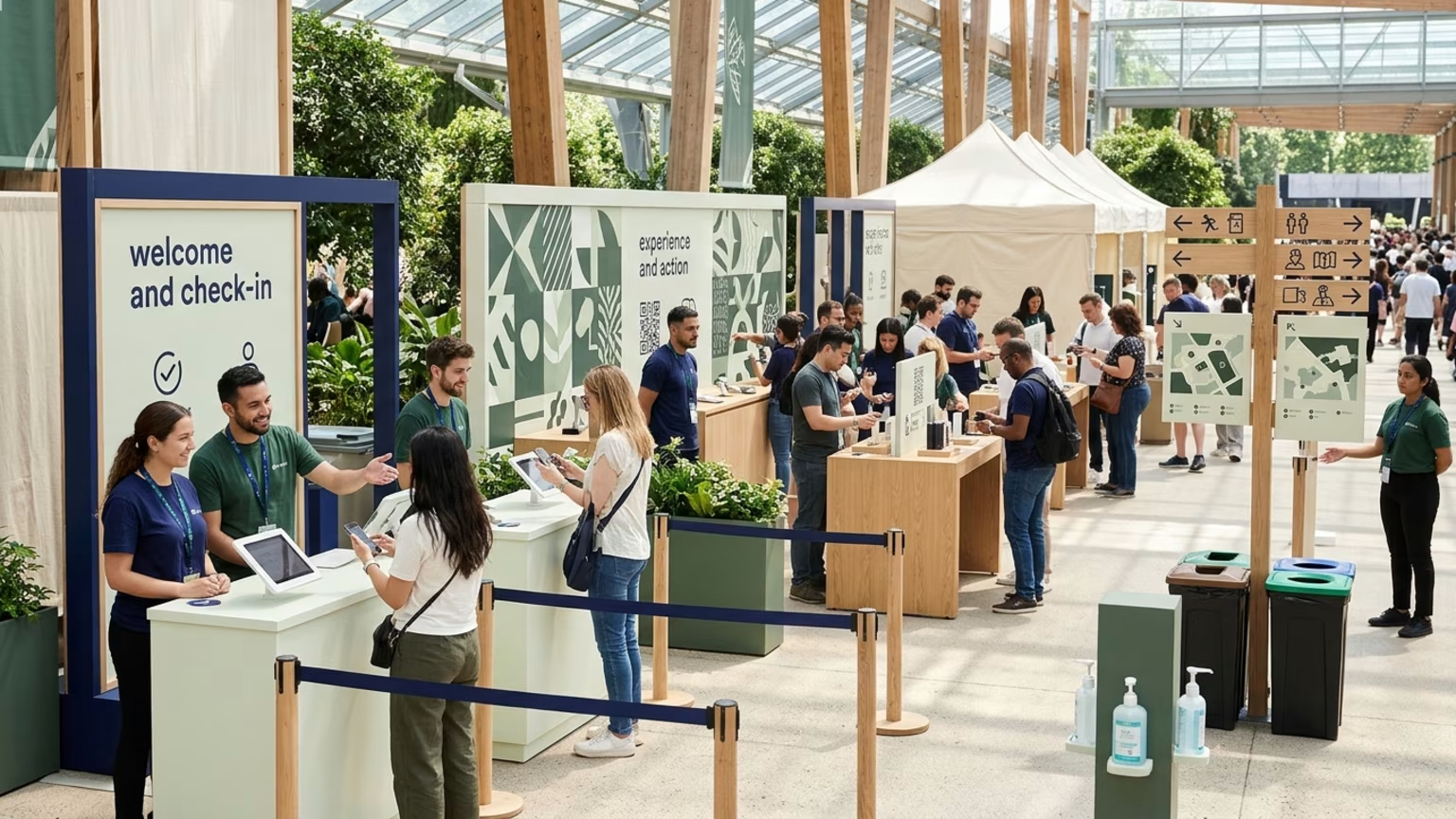
For a registration offer, review the handoff between registration and sample distribution. For a purchase-linked offer, review how the redemption station fits the participant journey. For a photo-and-sharing offer, include those activities in the footprint discussion rather than treating them as decorative additions.
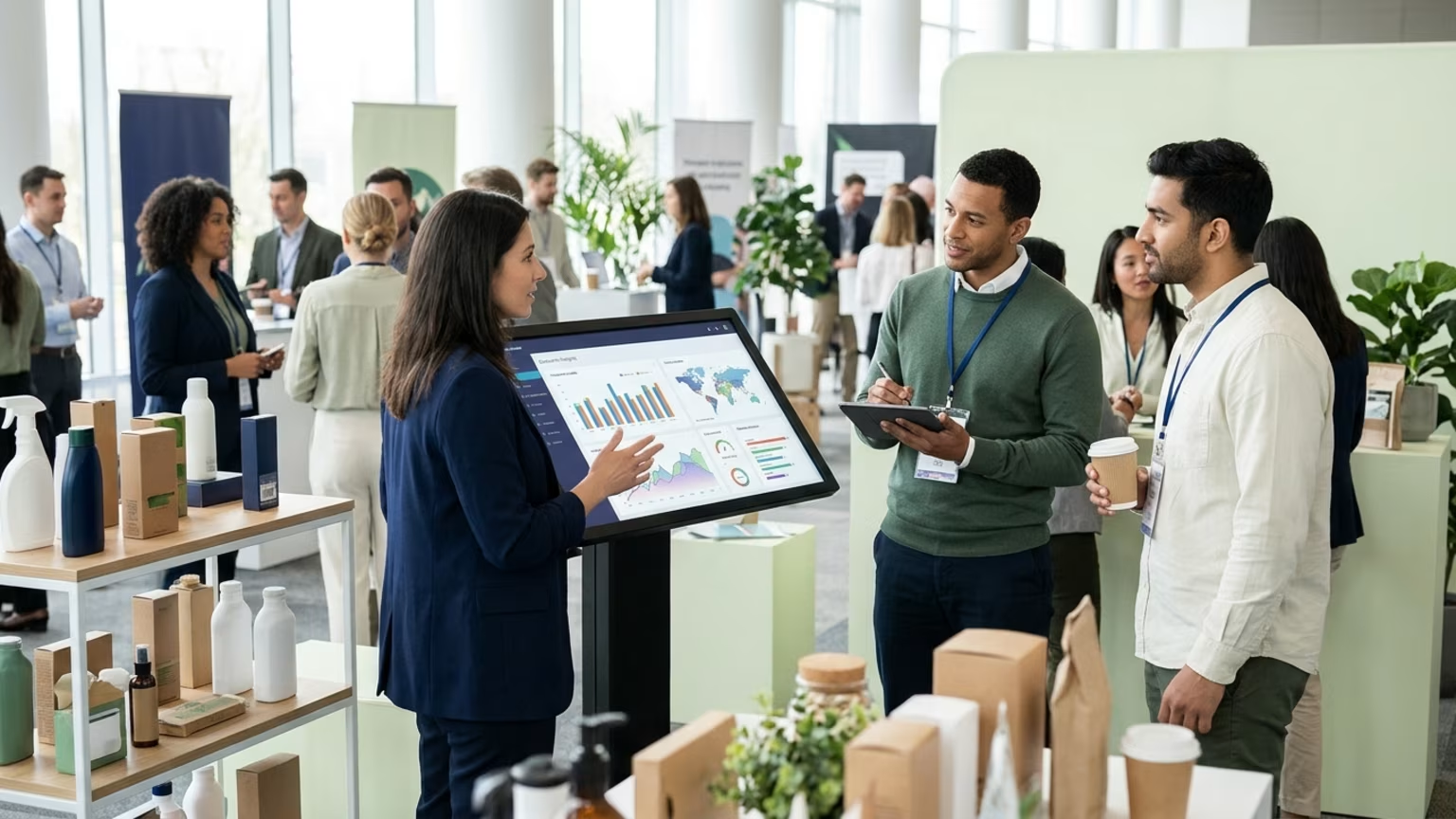
This is especially relevant when adapting consumer-event mechanics to a trade show. Product trial and a commercial conversation may share a space without serving the same purpose. Our view is that the floor plan should make room for both purposes instead of asking one crowded interaction to do everything.
The practical review is simple: identify where each action happens and how the participant understands the next step. That keeps the discussion focused on the offer itself. It also gives creative and operations teams a common brief to evaluate.
Royal Halloween’s official page connects its offer with participation limits and a data-use explanation. It says collected information supports post-evaluation reporting and would be retained only as long as necessary. It also describes consent covering personal information, photos and videos under the Data Privacy Act of 2012.
For U.S. marketers planning a comparable experience, the practical lesson is communication clarity. Offer terms and data use should be visible to participants rather than confined to an internal brief. The Philippine example is a reference for that communication task, not a template for another jurisdiction’s requirements.
We believe the participant-facing explanation deserves the same attention as the physical experience. It should make clear what is offered and which action earns it. Where information is collected, it should also explain its use.
The operating plan and the reporting plan should describe the same actions. Otherwise, the team risks treating unlike activities as interchangeable evidence.
For a comparable program, the research supports distinguishing these measures:
These categories are measurement recommendations, not reported results from Coca-Cola’s programs. Their value is that they preserve the meaning of each action. A registration count should not silently become a sample count. A collectible redemption should not replace a separately defined purchase measure.
Before launch, the brief should identify the evidence needed to evaluate the intended outcome. If the objective is trial, the report needs to distinguish people registered from samples redeemed. If the objective involves purchase, the purchase action needs its own definition rather than being inferred from activity elsewhere in the experience.
For Makai, this is where operational precision supports commercial accountability. Consumer participation matters, but its meaning must stay intact as it moves into reporting. Starting measurement with the business goal keeps that discussion grounded in the outcome the activation was designed to support.
As CMO or VP of Marketing, will you review your next activation’s participant-flow brief today and confirm exactly which action earns each reward?
Multiple participation paths put the live experience under scrutiny; Makai designs consumer events that bring brands and people together through interaction, emotional connection and engagement. Its experiential marketing campaigns and trade show activations serve premium CPG brands with a focus on qualified leads.

30 Years Experiential & Retail Activation Partner for CPG & Beverage Brands | Multi-Market Demos, Roadshows & Costco/Club Programs That Actually Sell