Robbie Thain
Founder, CEO

Betty Crocker paired its Bettier Than Ever packaging refresh with limited-edition DTC merchandise. Learn how to turn this attention into retail trial and sales.
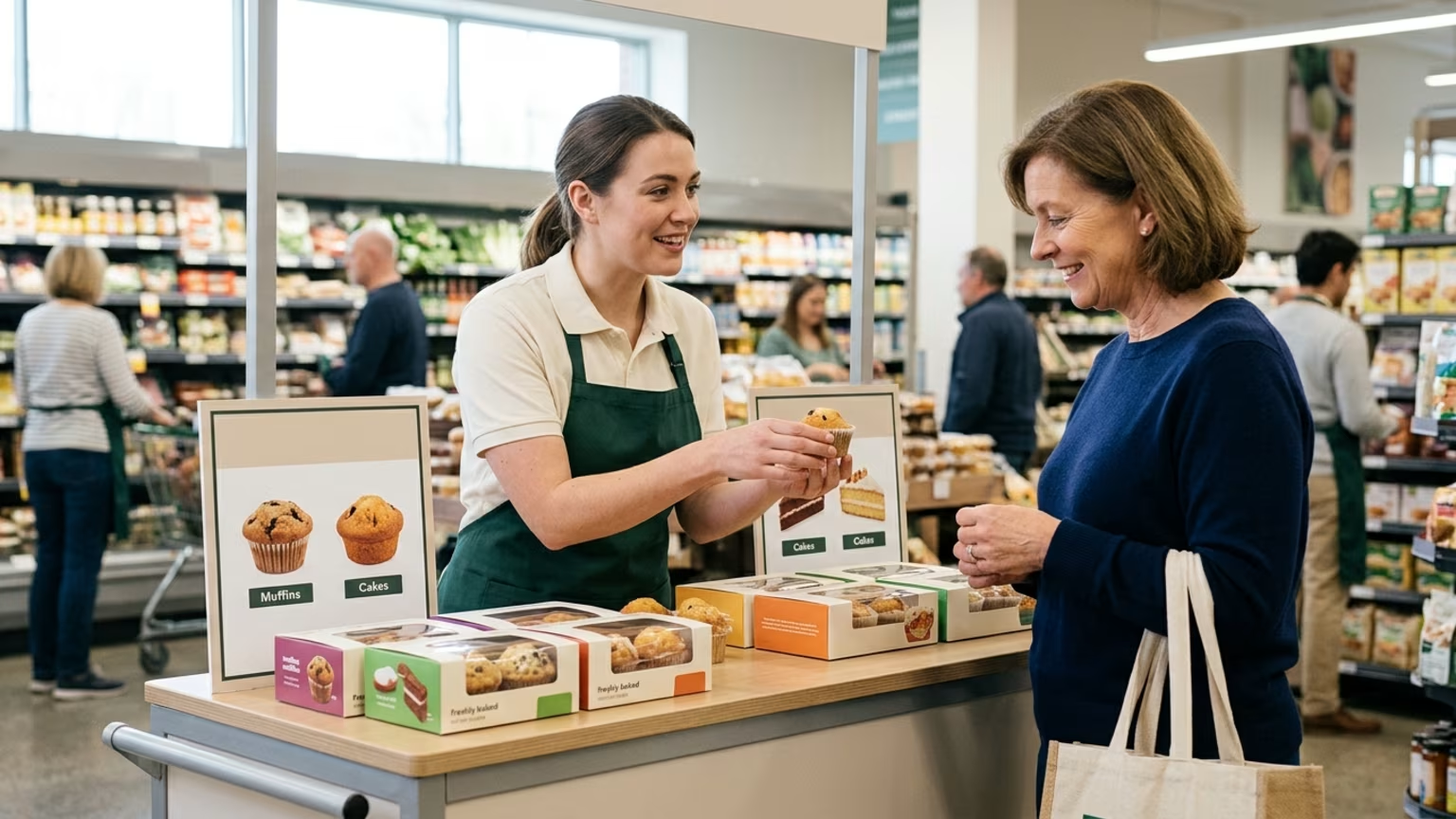
A towering pallet of Betty Crocker cake mix sits untouched at the end of aisle four while shoppers scroll past it on their mobile phones. Getting consumer attention online is entirely different from converting a distracted shopper staring at a crowded grocery shelf. Marketers face a stark choice between funding high-visibility merchandise drops and executing hard-hitting retail demonstrations.
This approach treats product packaging as an experience asset rather than just a functional container for grocery store shelves. On August 25, 2026, Betty Crocker launched its “Bettier Than Ever” era with a limited-edition handbag collection inspired by the brand’s cake products. The Betty Ate Collection includes three vegan leather bags based on Yellow Cake, Triple Chocolate Fudge Cake, and Strawberry Cake. These physical items feature packaging-matched labels and interchangeable cake-decoration accessories.
Sold exclusively through shop.BettyCrocker.com for $89 while supplies lasted, this tactic creates immediate urgency and cultural conversation far outside the grocery store. According to Sarah Peck, senior brand manager for Betty Crocker at General Mills, the handbags introduce the new era through a premium visual identity. She described the packaging update as a wardrobe refresh for the portfolio. This direct-to-consumer model requires heavy digital promotion to direct traffic toward the specialized storefront before the inventory depletes.
The logistical reality of a merchandise drop requires e-commerce fulfillment systems and highly limited production runs. This operational constraint caps the physical footprint and removes the activation from the critical point of grocery purchase. Brands executing this model spend heavily on influencer seeding and digital media buys to maximize the launch impact. However, the physical Return on Investment remains difficult to measure when the campaign lives entirely online.
The opposing approach is a structured retail activation that intercepts the shopper directly at the point of decision. This mechanic relies on the permanent packaging redesign rolling out across baking aisles nationwide. The updated Betty Crocker boxes feature a more prominent red spoon, brighter colors, and new food photography across their cake mixes and frostings. Because the actual baking products inside the boxes remain unchanged, the primary objective is teaching shoppers to recognize familiar favorites quickly.
A strong execution model might involve a dedicated tasting bar deployed during peak seasonal grocery periods. Shoppers could taste a specific baked recipe, receive a simple preparation card, and scan a digital product locator. This activation deliberately positions the physical handbag merchandise as a visual conversation starter rather than the core product. The ultimate metric for success becomes the volume of cake mix units sold directly during the activation window.
Execution here demands massive national scale, modular displays, and strict operational compliance rather than artificial scarcity. A true in-aisle program requires strict event staffing and training to scale live experiences consistently across hundreds of retail stores. The physical footprint demands managing specific sampling ratios, sample acceptance rates, and rigid food safety protocols inside a highly constrained grocery environment. Teams must use a modular playbook with approved sample recipes, strict replenishment rules, and mandatory photo-based compliance checks.
A merchandise strategy wins when a brand needs to generate sudden cultural relevance or signal a major visual shift to the entire market. The handbag collection provides a highly visible, time-bound hook that demands immediate consumer attention. With a second product drop scheduled for September 10, 2026, at 9 a.m. ET, this tactic forces brand fans to act quickly before supplies vanish completely. It effectively breaks through modern digital fatigue, proving that retail growth requires more than digital impressions when launching a new visual era.
This approach is incredibly useful for massive organizations looking to test consumer appetite for a refreshed brand identity without risking core retail relationships. Betty Crocker is part of General Mills. That parent company boasts a vast portfolio including Cheerios, Nature Valley, and Blue Buffalo. It also houses well-known brands like Häagen-Dazs, Old El Paso, Pillsbury, Totino’s, and Annie’s. General Mills reported fiscal 2026 net sales of $18 billion, with an additional $1 billion in non-consolidated joint-venture net sales.
Testing visual elements on limited merchandise allows marketing teams to gauge public sentiment before fully committing to costly permanent changes. The $89 price point intentionally creates an aspirational halo effect for the entire product portfolio. This pricing strategy positions a standard household grocery staple as an exclusive lifestyle accessory. When a campaign demands instant cultural chatter, the scarcity model absolutely dominates the conversation.
In-store experiential sampling dominates when the primary goal is measurable volume, absolute retailer confidence, and direct shopper conversion. Betty Crocker calls itself America’s No. 1 cake-mix brand based on 52 weeks of Nielsen sales data for dry cake mixes ending June 6, 2026. Defending that exact leadership position requires continuous physical trial and clear purchase prompts directly in the baking aisle. The direct-to-consumer product and the retail packaging serve entirely different jobs for the end user.
While a handbag generates collectability, the grocery package must communicate flavor, usage, and value in mere seconds. Retail activations give shoppers a low-friction reason to sample a finished bake, reducing the distance between visual appeal and a confirmed cart addition. Shopper marketing teams must prioritize qualified interactions over simple visual impressions. By tracking specific coupon redemptions tied to the sample station, brands can validate the true commercial impact of their physical spend.
We have seen firsthand how critical physical execution is for category leaders attempting to roll out national campaigns. A VP of Marketing in the CPG beverage category told us: "Robbie, your leadership and vision turned our campaign into something truly special. The Makai team brought our new drink to life with energy, creativity, and flawless execution. Thanks to you, our brand isn't just tasted, it's remembered." Our team's approach transformed their product launch into a memorable brand experience. Physical retail theater ensures that bold new packaging actually translates into consistent retail sell-through while using experience design to lower the permission tax for consumer trial.
The most effective brand launches refuse to choose between cultural attention and commercial reality. Operators should use the scarcity of a merchandise drop to command attention, but they must rely on the permanence of an in-store activation to drive actual purchase volume. Translating a wardrobe refresh into actual revenue requires moving the conversation from the digital cart directly to the physical grocery aisle.
Attention outside the store does not automatically translate into stronger retail sell-through without a deliberate and highly planned physical bridge. Brand managers must design comprehensive measurement frameworks before staffing any physical activation. A practical scorecard should track qualified interactions, total samples distributed, product-specific offer redemption, and total material waste. Teams must measure exact conversion among samplers and calculate the cost per converted household to validate the strategy.
Ultimately, a bold visual identity only succeeds when the field execution perfectly matches the creative ambition. Marketers must build their retail displays around specific flavor stories, connecting the new colors to a tangible taste experience. By combining high-hype merchandise with disciplined in-aisle sampling, brands can turn passive shoppers into active buyers and turn a packaging refresh into a measurable commercial victory.
Brand managers attempting to launch new packaging formats routinely struggle to convert high retail foot traffic into confirmed buyers. Makai eliminates the problem of scattered attention and poor booth flow by assuming total control over the physical floor. We deploy our Costco Roadshows capability to manage end to end roadshows that bring brands to shoppers through live demos, real conversations, and measurable sales impact.

30 Years Experiential & Retail Activation Partner for CPG & Beverage Brands | Multi-Market Demos, Roadshows & Costco/Club Programs That Actually Sell


