Robbie Thain
Founder, CEO

Brands are overhauling event staffing with smaller teams, structured playbooks, and strict backup ratios to turn live activations into measurable retail sales.
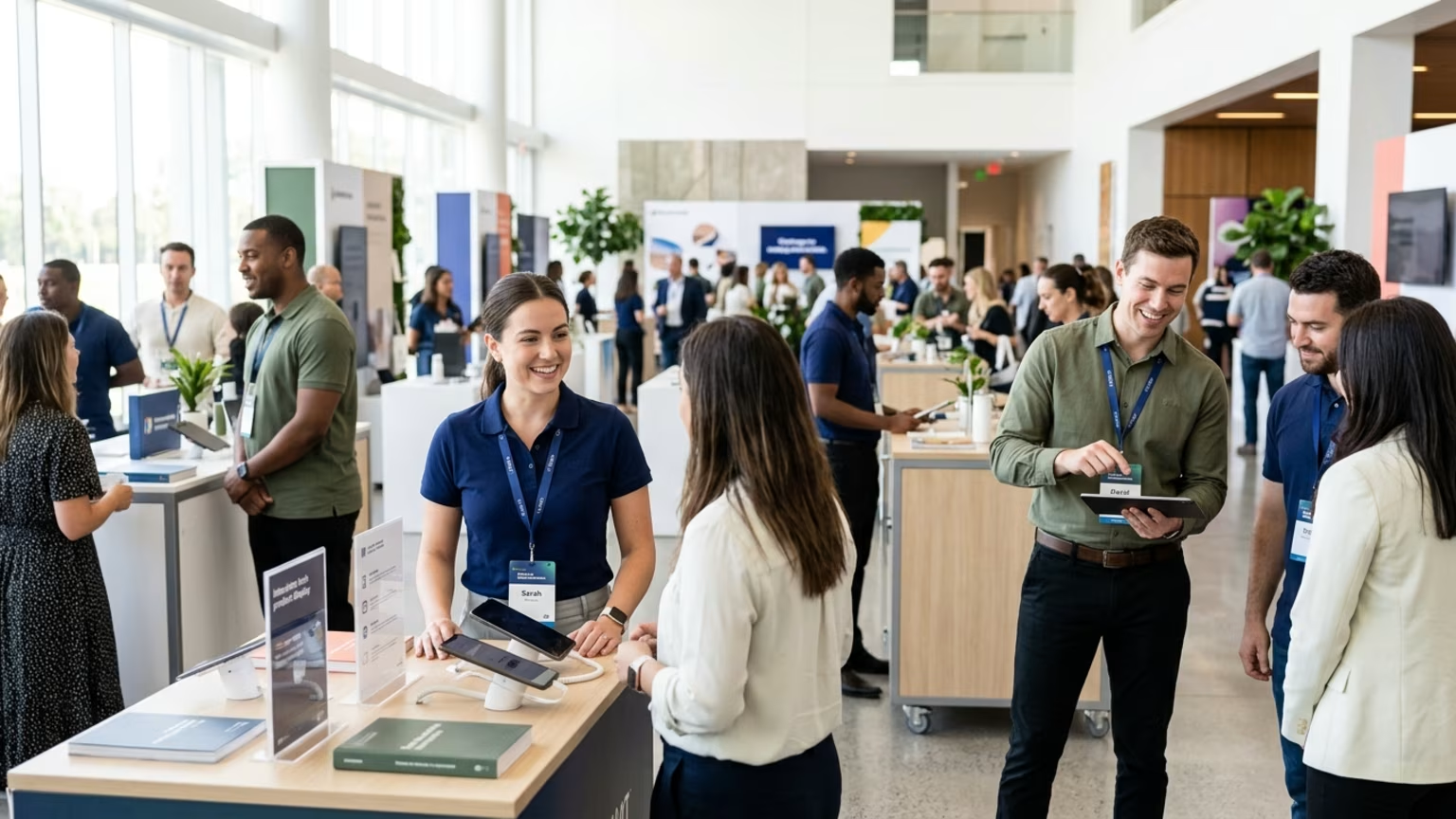
A field marketing manager stands behind a folding table at a major convention center. Three temporary workers stare silently at their phones while potential buyers walk right past the booth. Digital advertising platforms keep getting more expensive and less effective. Experiential marketing is the only reliable way to earn consumer trust today. But simply tossing untrained bodies in branded polo shirts onto a show floor does not generate pipeline.
Brands that scale physical experiences successfully are completely abandoning the commodity labor mindset.
Event logistics are entirely unforgiving. A single missing brand ambassador can ruin a high-volume retail demo. Operators cannot afford to hope everyone shows up on time. They must plan for friction and staff their events accordingly.
Modern operational playbooks from Elev8 suggest a backup ratio of at least one briefed and credentialed staff member for every eight active personnel on the floor. This ensures a qualified replacement is already on standby before the event starts. It eliminates the panic of last-minute cancellations. It also guarantees that the brand footprint remains fully active during peak traffic hours.
Maintaining a strict backup ratio changes how budgets are built. You are paying for readiness, not just active floor time. The cost of a briefed standby is a basic insurance policy for your activation. Without it, a sick team member leaves a massive hole in your expensive retail footprint.
The division of labor is also shifting to ensure quality control. According to Envisage Promotions, while agencies typically handle core professional training, brands must take responsibility for unique technical details and brand story education. This division of responsibility is a requirement for success.
You cannot outsource your core identity and expect good results. Your agency handles the recruitment and general readiness of the field team. You must handle the parts that are unique to your activation. This shared responsibility model prevents fragmented execution across local events.
A VP of Marketing often reviews a heavily fragmented trade marketing budget. They see massive line items for permits, custom booth fabrication, and travel. Yet staffing often gets treated as a secondary thought or an area to cut costs. This is a massive mistake that hurts retail sell-through.
When you scale live experiences, your field team literally becomes your brand. Consumers rarely buy products from unattended sampling stations. They need trained personnel to guide them through the experience. If your labor model relies on large pools of untrained staff, your return on investment will drop.
Operators must stop hiring generalists for complex product launches. You need to assign specific roles early in the planning process. Some team members are natural traffic drivers who can increase stop rates. Others are skilled qualifiers who can vet leads based on real interest.
We have been connecting brands with people through live experiences and national activations since 1995. Over three decades, we have built a track record of creating meaningful brand moments across the country. In our experience, assigning the right person to the right role prevents bottlenecks. Demonstrators should focus strictly on conducting the actual product trials.
Marketing leaders are moving toward smaller teams with multi-skilled capabilities. Instead of treating talent as a commodity, they view it as a strategic asset. Operators looking to secure reliable talent across regional markets are building tiered rosters. Highly experienced staff handle the high-stakes activations, while newer staff take simpler roles.
This operational discipline aligns perfectly with modern business goals. When CPG operators focus on measuring the direct impact of physical activations on store performance, they realize passive sampling is useless. They need active and intelligent conversations on the floor. A well-trained team turns a simple sample into a measurable pipeline event.
The shift in macro data forces a major change in how brands execute retail demos. Rigid scripts do not work in modern physical environments. Consumers can spot a forced and unnatural conversation from a mile away. You must train for behavior instead of just memorization.
Marketers are replacing these rigid scripts with behavior-based training. This allows field staff to guide attendees through conversations naturally. A standardized playbook provides key messages and answers to frequent questions. It does not force ambassadors to act like robots.
This approach requires operationalized feedback loops on the event floor. You cannot wait until a campaign ends to realize a message is failing. Field leads must capture data immediately after interactions. Operators looking to streamline their onsite operations and logistics implement quick post-shift debriefs.
A brief team huddle identifies operational friction points right away. It highlights who is performing well and who needs extra coaching. This real-time adjustment keeps the activation running smoothly over multiple days. It prevents ambassador fatigue and keeps energy levels high.
Scheduling mechanics also play a massive role in execution quality. Smart event managers schedule thirty-minute overlaps between outgoing and incoming shifts. This ensures smooth handover briefings without leaving the booth empty. It maintains the momentum of the activation during shift changes.
The team at makai manages end-to-end Costco roadshows that bring brands to shoppers through live demos. Our trained brand ambassadors drive in-store sales through real conversations. We know that consistent execution requires standard playbooks across every local event. You cannot wing it when you are running thirty events per month.
Brands are increasingly prioritizing local talent over flying in large national teams. Hiring local ambassadors reduces travel costs significantly. It also improves the authenticity of the interaction with local audiences. A local team understands the specific regional culture and speaks the same language as the shopper.
This local strategy only works if the training playbook is bulletproof. The core internal strategy group must supplement their efforts with specialized external talent. This blended staffing model provides both consistency and local flavor. It is the gold standard for modern mobile sampling tours.
Brands looking to use entertainment properties for physical campaigns need highly adaptable teams. This adaptability is necessary for complex consumer events. A team might activate at a music festival one weekend and a corporate expo the next. The core brand story remains the same, but the delivery must change to fit the crowd.
To maintain high output, operators must design well-being into the schedule. You cannot expect a team to smile for ten hours straight without a break. Shorter shift windows prevent ambassador burnout. Mandatory rest periods keep the team sharp and ready to engage the next wave of buyers.
Marketing operators must completely adjust their KPI dashboards this quarter. You can no longer measure success by simple attendance counts. Stacking up hundreds of unverified badge scans is a waste of time and budget. You must measure the quality of the interactions instead.
Success is now defined by the cost per relevant engagement. You must track the cost per qualified conversation generated by your field team. If you invest in the right training and maintain strict backup ratios, these numbers will improve rapidly. Better conversations always lead to better retail conversions.
The team at makai creates high-impact experiential marketing campaigns that turn fleeting consumer interactions into qualified leads. We replace fragmented execution with operator-grade discipline. Stop treating your event staff as an afterthought. Build a team that actually drives your business forward.

30 Years Experiential & Retail Activation Partner for CPG & Beverage Brands | Multi-Market Demos, Roadshows & Costco/Club Programs That Actually Sell


