Robbie Thain
Founder, CEO

Temptations opened a three-day New York Cat Bodega pop-up to distribute free treat samples. Learn how field teams structure activations for measurable trial.
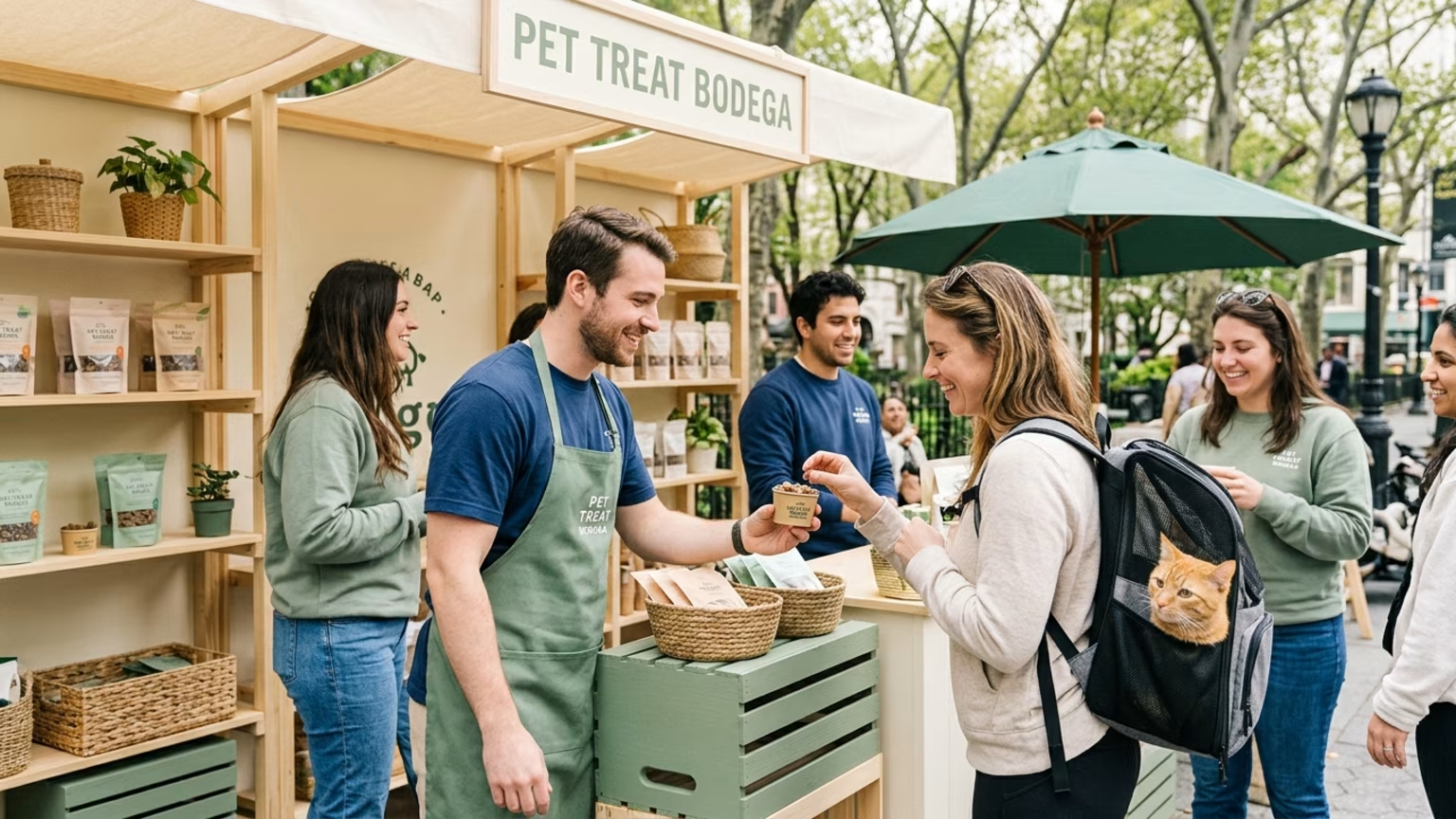
On September 17, 2026, Temptations opened the "TEMPTATIONS Cat Bodega" for a three-day activation at 213 Bowery in New York. The pop-up ran through September 19 and recreated a corner store dedicated to the city's well known bodega cats.
The physical environment combined a retail setup with interactive mechanics designed to attract foot traffic. Visitors received free treat samples while engaging with a claw machine and scratch-off tickets. A life-sized cat condo served as a primary photo area for attendees.
Beyond the physical footprint, the brand launched a virtual extension at TemptationsTreats.com that runs through September 26. This digital continuation features an online scratch-off game and a tool for sending treats to real bodega cats across the country. By operating both experiences simultaneously, the brand created a localized sampling event with a nationwide participation option. This approach allows people outside of New York to interact with the campaign mechanics without traveling to the physical location.
We specialize in creating retail demos, product sampling programs, and roadshows that bring brands face to face with their audiences. Each program is designed to drive trial, build consumer relationships, and accelerate retail velocity across multiple locations. We view this New York activation as a strong example of attaching a consumer packaged goods product to an existing cultural habit. By turning an informal fan behavior into a physical destination, the brand gave consumers a clear reason to show up.
However, building a highly photogenic space is only the first step for experiential campaigns. Marketers must distinguish between attention signals like photos and business outcomes like retail sell-through. The Drum reports that public coverage of this event does not publish attendance, sample volume, conversion rates or Return on Investment results. We see this pressure often in the field, where executives demand proof that these activations actually generate sales pipeline.
In contrast, we managed a four-week, multi-market Costco sampling program for Pulmuone's PlantSpired line. The program delivered more than 65,000 samples and recorded an 18 percent sold-to-sale rate, giving us a concrete example of how structured retail sampling can connect trial with purchase. Field marketing leaders need that level of data to prove their programs work. Understanding the anatomy of a high-conversion pop-up helps field leaders turn local foot traffic into predictable revenue.
Adding interactive games to a sample distribution plan changes the operational reality on the ground. A themed pop-up requires rigid queue management, constant sample replenishment, and specific data capture protocols to function properly. The physical footprint must flow logically so visitors receive their items without causing bottlenecks near the photo installations.
This specific structure gives marketers two distinct measurement environments to manage and reconcile. Field teams monitor physical interactions and samples distributed, while digital teams track game participation and site traffic. Connecting those two separate data streams is necessary to measure actual trial and post-event purchase behavior. When planning campaigns that blend physical trials with digital amplification, the logistics become much more complex.
Furthermore, running a sampling activation requires strict controls over product distribution. The public reporting reviewed does not clarify whether the samples were handed out directly to people, intended strictly for their cats, or distributed under specific quantity limits. Field operators know that these exact operational details dictate the pace of the entire event.
Comedian and cat owner Heidi Gardner fronted the New York campaign to help drive awareness. According to The Drum, Gardner said the experience captured local hometown energy while putting the bodega cat at the absolute center of attention.
This activation demonstrates how using a recognizable cultural setting can reduce the explanation burden for a new product trial. Teams watching this campaign should ask themselves how they plan to track content creation separately from sample redemption and retail purchase.
If your next experiential footprint relies heavily on photo mechanics, how will your field team capture the data needed to prove that those visitors actually converted into paying customers? A free sample only builds the brand if the consumer eventually returns to buy the product.
Securing accurate pipeline data from interactive sampling pop-ups forces marketers to separate passive photo attention from actual commercial intent. When low quality leads from crowded trade shows and unstructured events drain your budget, Makai builds measurable physical interactions. Through our Expo / Trade Shows capability, we plan and manage trade show spaces that attract attention, start conversations, and convert visitors into customers. Request a proposal

30 Years Experiential & Retail Activation Partner for CPG & Beverage Brands | Multi-Market Demos, Roadshows & Costco/Club Programs That Actually Sell