Robbie Thain
Founder, CEO

Learn how the Sparks Signal platform helps experiential marketing teams turn trade show booth engagement into measurable pipeline and sourced revenue.
The regional field marketing director stared at a spreadsheet of two thousand scanned badges. She had zero idea which of those names actually wanted to buy the new beverage line. The tension of wasted budget hung heavy in the room.
The launch of the Sparks Signal platform bridges the gap between raw booth traffic and actual pipeline attribution. Trade show teams can integrate live event engagements directly into their software systems to prove commercial impact.
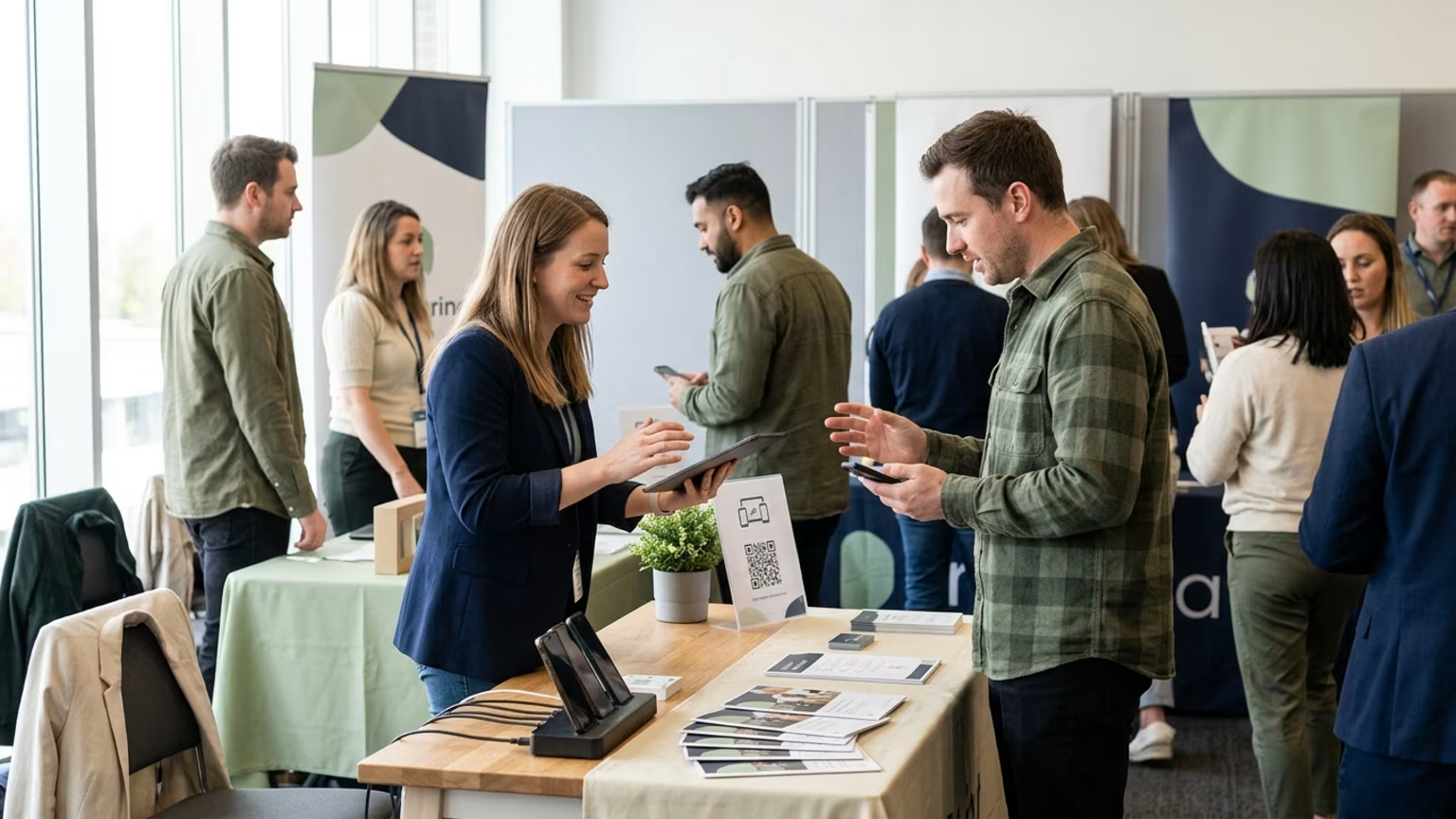
The expo floor is a blur of handshakes and product samples. Brand ambassadors work tirelessly to scan badges and distribute marketing materials to passing attendees. Monday morning arrives with a raw data file of unorganized contacts. Sales representatives receive this list with no context about visitor intent or product interest.
This disconnect creates a massive reporting problem for marketing leaders. Trade shows remain a high value channel for face to face buyer interaction. Industry analysts report that physical exhibitions consistently drive lead generation and product education. Experiential teams struggle to connect these physical interactions to downstream revenue.
Event budgets face intense pressure from executives demanding a measurable Return on Investment. Counting empty sample cups and social media mentions is no longer an acceptable reporting standard. Brands need a clear view of which booth interactions contributed to actual closed deals. The fractured stack of scanner apps and disconnected spreadsheets creates fog instead of clarity.
Privacy changes and rising digital media costs add to this urgency. Brands want more first party consented data from their physical activations. When field teams rely on outdated tracking methods, they lose the ability to capture this valuable information properly. Many groups now report increasing pressure from brand leaders to justify event spend with hard data.
Buyers in the modern market want physical proof before they make a purchase. They need to taste the beverage or touch the packaging to build trust. Digital marketing channels are crowded with noise and competing messages. Physical experiences cut through that noise to create memorable moments. Without a proper measurement framework, those moments never translate into recognized business value.
The strategic approach requires treating live events as a connected data capture engine. The Sparks Signal platform integrates badge scans and digital interactions directly with client software systems. Every sample handed out and every conversation logged becomes a tracked signal. This unified workflow prevents valuable prospects from slipping through the cracks.
Enterprise software buyers strongly prefer unified tools over disjointed applications. Recent data from the Futurum Group shows that nearly two thirds of respondents gravitated to a mostly platform model to consolidate enterprise data this year. Best of breed preference fell to under twenty one percent during the same period. This platform consolidation trend supports the need for centralized event reporting.
We design mobile activations and roadshows that accelerate consumer trial, build trust, and boost retail velocity during 90-day product launch windows. Our structured approach transforms initial product trial into sustained consumer confidence and retail performance. This exact same operational discipline must apply to large scale expo environments. Connected systems give field teams the tactical data they need right now.
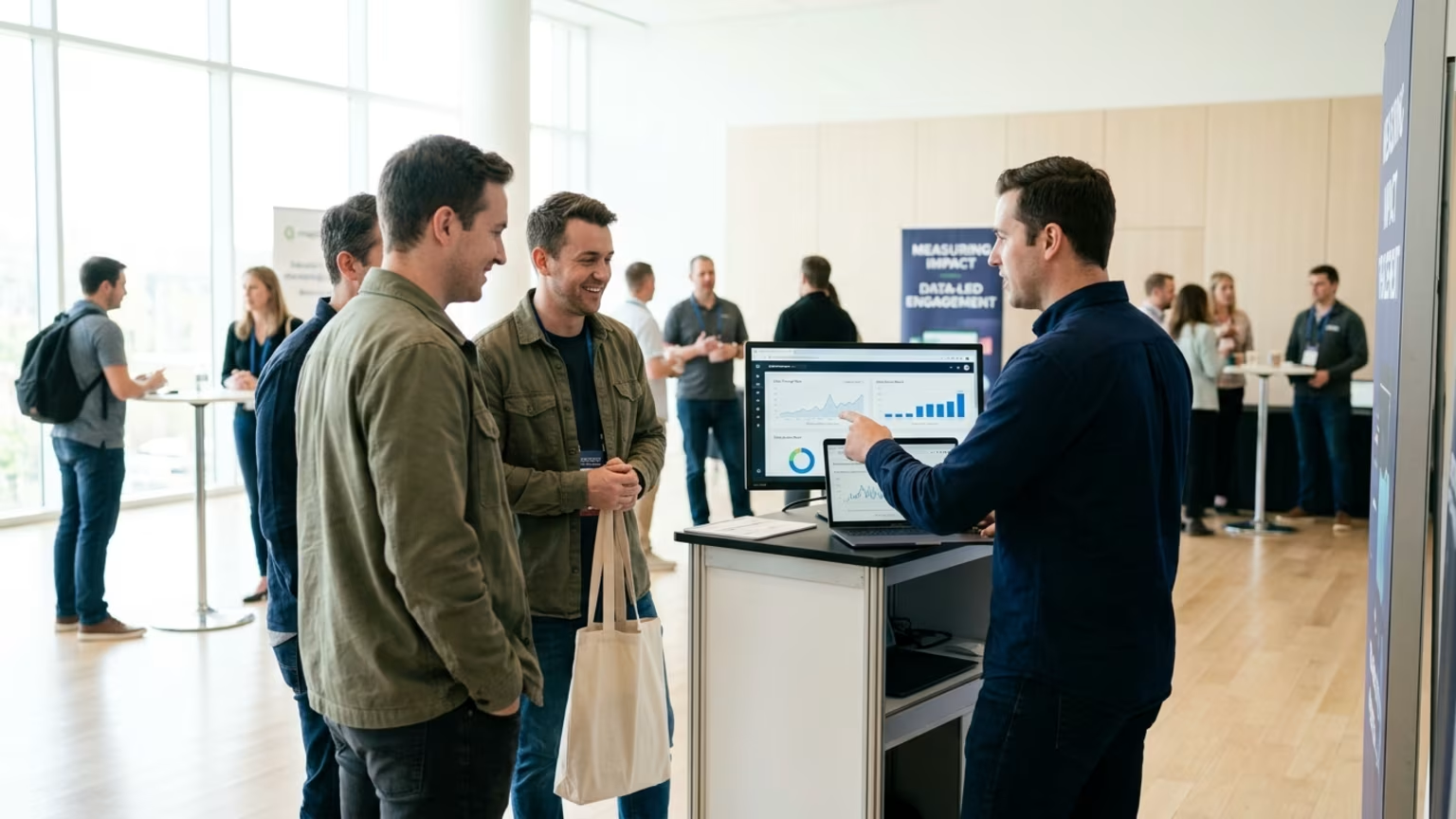
Building a modern event intelligence system changes the entire follow up process. Marketing operators can view intent signals in real time and route them to the right sales representatives. This method stops the age old problem of losing hot leads in a messy spreadsheet. A unified view of booth engagement turns fleeting interactions into measurable pipeline.
The technology sector provides a useful analogy for this strategic shift. The recent Google Gemini Spark launch demonstrated a move toward persistent always on agents. Systems that run constantly in the background and connect multiple workflows are replacing isolated single use tools. Event technology must follow this exact same path to remain relevant. Live event tools are increasingly judged on their ability to plug into broader revenue operations systems.
Implementing a signal driven strategy requires strict adherence to a proven execution playbook. Field marketing teams must abandon manual data entry habits to achieve true attribution.
Tracking the right indicators determines whether an activation was a success or a costly mistake. Lead metrics act as predictive signals of future buying behavior. Teams should measure the number of high intent conversations logged and the total volume of meeting bookings. Product demonstration completion rates and session check ins provide additional visibility into buyer interest.
Lag metrics serve as the final historical proof of financial success. Sourced pipeline and influenced pipeline show exactly how much potential business originated from the expo floor. Marketing operators must track the cost per opportunity and retail sell-through rates to validate their spending. Closed won revenue tied to event activity remains the ultimate indicator of success.
Attribution models can become complicated when analyzing trade show influence. A single booth interaction might simply start brand awareness or it might accelerate an existing deal. The platform should track these different conversion patterns clearly. The goal is to show the correlation between physical engagement and sales velocity.
Analysts at Demand Gen Report highlight how revenue teams increasingly demand unified signal capture to replace manual follow up processes. A fragmented stack of applications cannot provide these numbers accurately. Executives require clear visibility into which specific interactions accelerated the buying cycle. These defined metrics transform experiential marketing from an art into a predictable science.
Smaller brands might survive with basic lead capture techniques. Premium consumer packaged goods companies require much heavier attribution infrastructure to justify their national campaigns. Understanding how intelligent platforms process field data helps teams streamline this reporting.
A major beverage brand recently applied this connected tracking strategy during a national product launch. They introduced a new functional energy drink at a massive industry expo. The field team did not just count empty cans at the end of each day. They used integrated signal tracking to log every meaningful interaction.
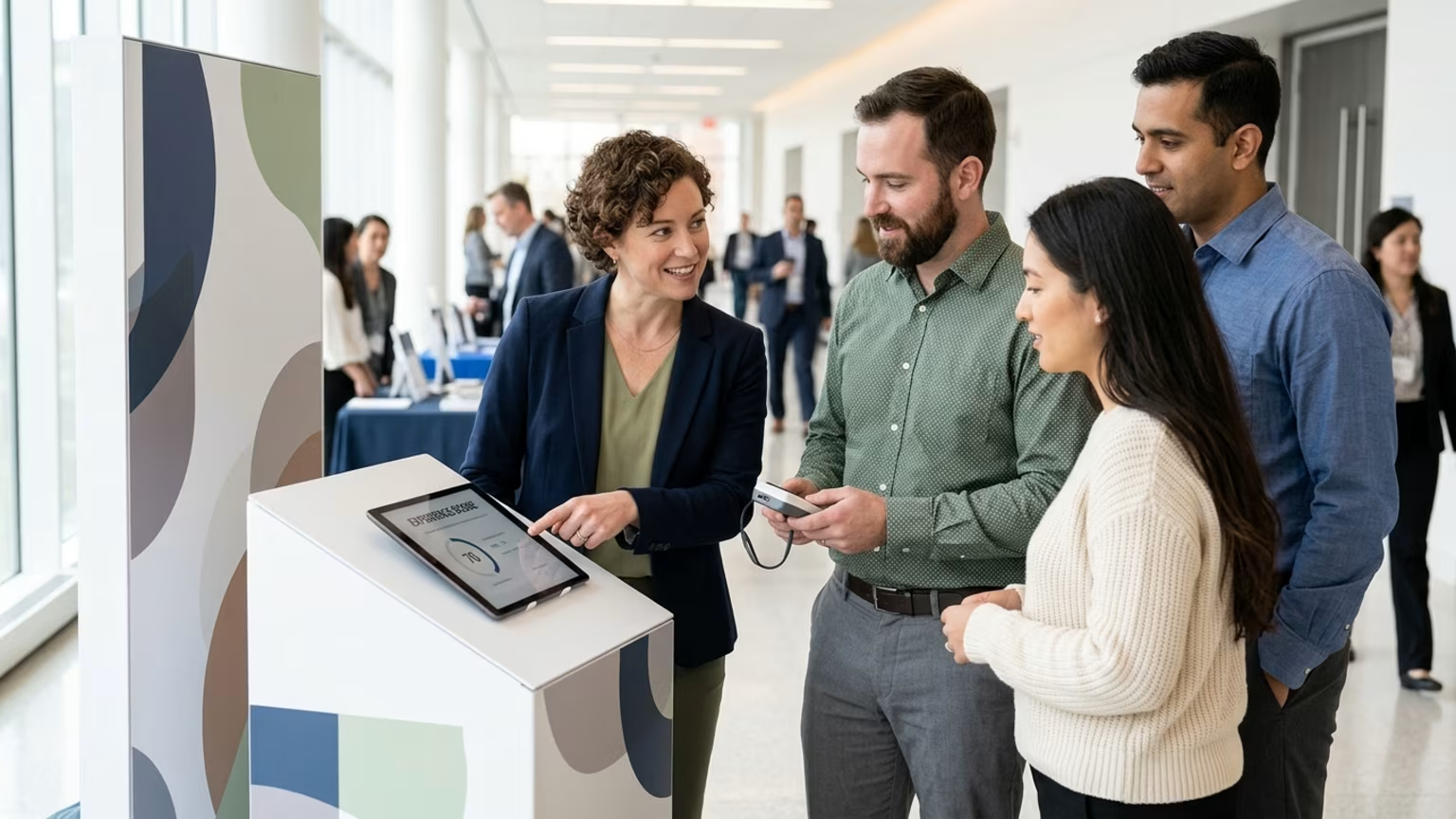
Every quick response code scan for a retail coupon linked directly to a master customer profile. The marketing directors saw exactly which distributor meetings progressed to closed deals within a week. They used this data to plan their subsequent regional sampling tours. Many food and beverage companies find success by expanding their initial expo presence into regional mobile tours to maintain momentum.
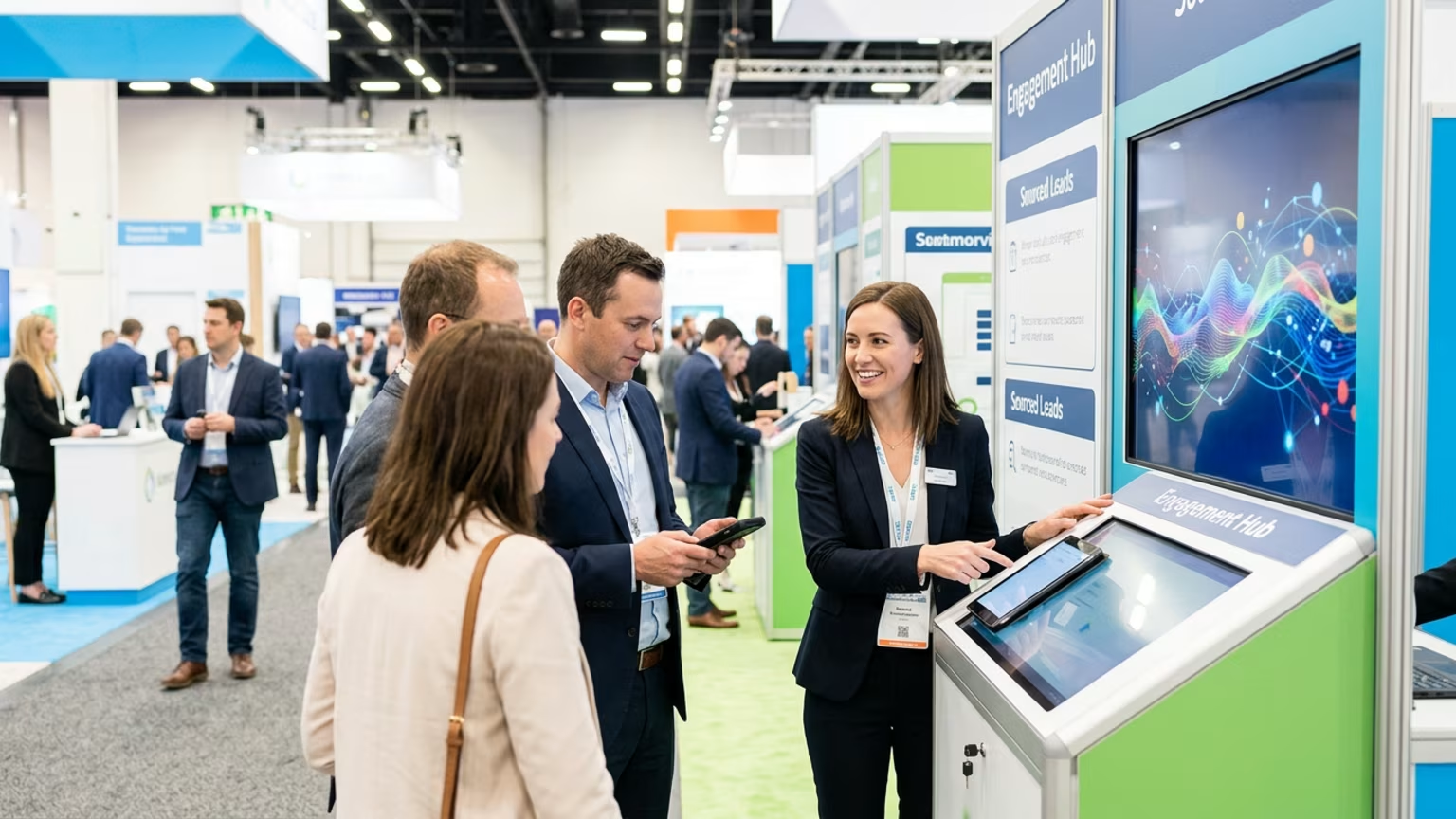
This level of visibility changed how the entire marketing department operated. The brand director could finally prove that their high energy activation directly supported retail shelf performance. They secured a larger budget for the next quarter based on these concrete numbers. Turning a static booth into an interactive data hub fundamentally changes business outcomes.
These data driven methods allow operators to adapt quickly to changing market conditions. The team noticed that buyers from a specific grocery chain responded well to a new flavor profile. They instantly shared this insight with the national sales director. The sales team used this exact data point to close a major distribution deal three days later.
You need proof that physical experiences drive trial and build buyer trust. Relying on disconnected scanner apps limits your ability to report true financial impact. Adopting a unified platform allows your team to prove commercial value instantly. Book a strategy call with our team today to build a better measurement framework.
Audit your current lead capture process today and eliminate any tool that does not automatically sync with your core sales database.

30 Years Experiential & Retail Activation Partner for CPG & Beverage Brands | Multi-Market Demos, Roadshows & Costco/Club Programs That Actually Sell