Robbie Thain
Founder, CEO

Learn how to use pop-ups and mobile tours to build shopper confidence, prove demand to distributors, and accelerate in-store retail sell-through velocity.
Connecting physical brand activations directly to retail shelves turns fleeting consumer interest into measurable sales velocity. By treating experiential marketing as a measurable commerce engine, brands build the distributor confidence required to win major retail expansions.
The pallets arrive at the regional warehouse. The local buyer expects units to move fast. Yet the product just sits there gathering dust. That tension is the nightmare of every field marketing operator.
You spend hundreds of thousands on a flashy trade show booth or a random city pop-up. The crowds show up, take their free samples, and post a quick photo. Then absolutely nothing happens at the local grocery store. The marketing activity never connects to your actual retail footprint.
Sales teams get frustrated with the lack of results. Retail buyers start asking uncomfortable questions about shelf velocity and inventory movement. This chaotic disconnect happens when brands treat events as isolated theater rather than an integrated retail strategy. Activity without inventory is just an expensive distraction.
The chaos gets worse when the activation happens completely disconnected from the supply chain. Field marketers celebrate a packed event space and thousands of samples distributed. Sales directors look at regional sales data and see absolutely zero movement. This misalignment burns trust across departments.
The retail buyer sees the stagnant inventory and threatens to pull the product entirely. A beautiful experiential setup means nothing if the consumer cannot find the item later. Too many companies launch expensive sampling campaigns with no strategy for the day after the event. The goal is moving cases off the shelf at a profitable rate.
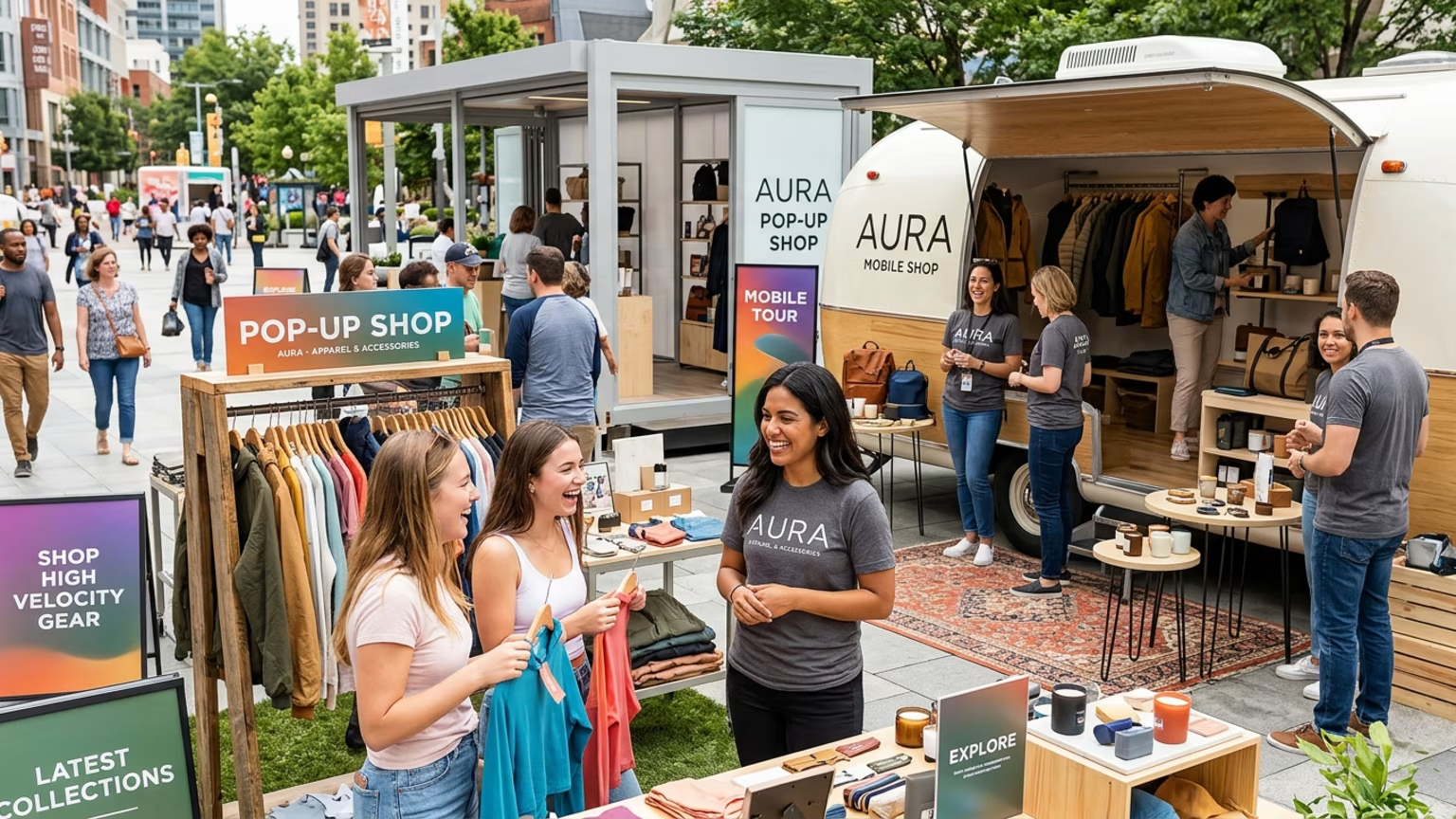
We must reframe pop-ups from brand theater into measurable sales tools. According to Alt Terrain, a well designed physical pop-up functions as commerce infrastructure. It generates four distinct commercial outputs. The first output is belief.
When shoppers physically hold and test a product, they overcome their natural skepticism. This is critical for new food or beverage items that require a taste test. The second output is content. Attendees and creators share their experiences online.
This digital footprint extends the physical reach of the event to thousands of local consumers. The third output is branded search. People leave the event and look up the product on their phones later. They want to know the price, the ingredients, and the nearest retail location.
The fourth output is retail familiarity. This is the most powerful result for a fast moving consumer good. When that same shopper walks down a grocery aisle weeks later, they immediately recognize the packaging. The previous physical interaction drastically lowers the friction of a first time purchase.
Pop-ups and mobile tours map this exact psychological sequence across multiple regional markets. You generate trial in a specific city, support local retail doors, and prove actual demand to regional distributors. Industry reports suggest that experiential marketing can lift purchase intent by 74 percent. This data proves that events are the ultimate sales trigger.
Using a smart CPG sampling strategy bridges the gap between awareness and velocity. Mobile tours simply take this winning formula on the road. They allow brands to replicate a high converting experience in every new retail territory.
The modern retail buyer is highly risk averse. They want concrete proof of market demand before they allocate valuable shelf space. A compelling brand story is no longer enough to win a major distribution deal. Buyers demand evidence of consumer trial and actual sales velocity.
Pop-ups and mobile tours create this exact evidence in real time. When you run a successful field activation, you gather undeniable data. You capture crowd sizes, sample conversion rates, and social media engagement. This raw data becomes the foundation of your pitch to national accounts.
A well documented local event proves that your product can drive its own foot traffic. This takes the marketing burden off the retail partner. The retailer sees that you have a repeatable playbook for generating local excitement. They feel confident that your brand will not become dead inventory.
This evidence is especially powerful during competitive category reviews. You can show the buyer exactly how your field team activated a test market. You demonstrate the direct sales lift that occurred at surrounding stores during the tour. This concrete proof separates winning brands from the rest of the pack.
Single pop-ups generate excitement in one isolated market. A mobile tour takes that exact same successful formula and replicates it across the country. According to Promobile Marketing, mobile tours extend pop-up experiences across multiple regions. This geographic sequencing is the secret to supporting a national retail rollout.
Instead of rebuilding a new experience from scratch every time, you deploy a standardized touring kit. This lowers the cost of reproducing the event in each new city. It helps regional field teams look organized and highly professional. A well structured tour gives retail partners confidence that demand exists beyond just one flagship location.
You can target a new city, generate immediate product trial, and support the local retail launch in that exact same week. Once the local distributor sees the proof of demand, you pack up and move to the next market. This systematic repetition builds a continuous wave of retail momentum.
A precise operating playbook prevents common logistical failures. You must sequence every step to support the retail endpoint. Here is how you connect the field to the store.
You cannot run a profitable field marketing program using vague engagement numbers. You need hard data to defend the budget. The metrics are split into immediate lead indicators and long term lag indicators.
Launching a new product in a mass club environment is incredibly high stakes. The retail buyer expects immediate high velocity movement. The club shopper expects massive value and total confidence in their bulk purchase. If the consumer does not instantly recognize the brand, they will push their carts right past the massive pallet display.
There is no time for slow brand building in a warehouse aisle. By sequencing a mobile tour in the exact cities where the club rollout happens, a brand builds immediate retail familiarity. The field teams set up engaging sampling tents in high traffic areas just days before the warehouse drop. The target demographic gets to taste the product in a relaxed, low pressure setting.
The brand ambassadors explain the value of the upcoming bulk pack. Then, when those same consumers visit the warehouse store that weekend, the massive purchase feels completely safe. They already know they love the taste. This aggressive strategy satisfies the consumer and proves to the retail buyer that the brand drives its own foot traffic.
We design mobile activations and roadshows that accelerate consumer trial, build trust, and boost retail velocity during 90-day product launch windows. Our structured approach transforms initial product trial into sustained consumer confidence and retail performance. The result is a unified sales strategy that turns a risky retail expansion into a highly predictable win. A proven physical presence is the best tool to calm nervous retail buyers.
Review your next planned marketing event and verify that local retail doors have matching inventory to capture the immediate demand. Book a strategy call with our team today.

30 Years Experiential & Retail Activation Partner for CPG & Beverage Brands | Multi-Market Demos, Roadshows & Costco/Club Programs That Actually Sell