Robbie Thain
Founder, CEO

Learn how PepsiCo turns soccer watch parties into measurable retail lift for bubly. Get frameworks for cross aisle displays and data driven sampling.
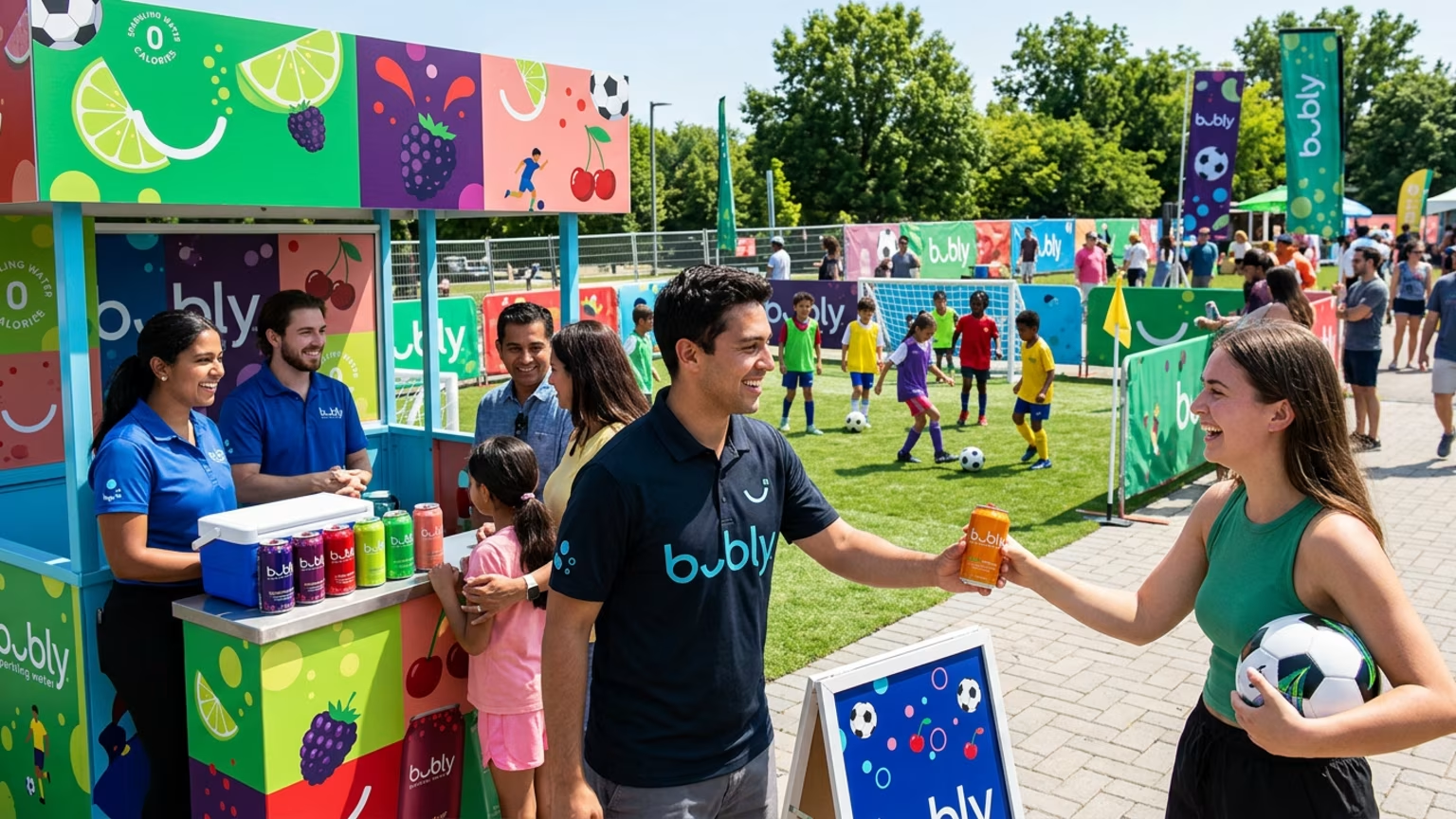
Most brands treat retail displays like expensive wallpaper instead of measurable sales engines. When major summer soccer tournaments approach, supermarkets flood with generic cardboard cutouts and vague promotional sweepstakes. PepsiCo is taking a different route with its bubly brand by turning watch party rituals into trackable trial and conversion opportunities. This activation integrates soccer themed in store displays and sampling stations with mobile entry mechanics to capture first party data.
By connecting physical engagements directly to shopper insights, brands can prove clear Return on Investment (ROI) and secure long term floor space.
Walk into any major grocery chain ahead of a global tournament, and you will hit a wall of promotional clutter. Competing brands fight for endcaps with dusty cardboard goals and unmanned sampling tables. These setups offer zero measurable data to the marketing teams back at headquarters. Shopper marketing leads stress over whether these expensive footprints actually trade shoppers up or just cannibalize existing sales.
Without operational rigor, retail sampling devolves into a busy but unmeasured activity. Store managers grow frustrated with inconsistent staffing and messy displays cluttering their aisles. Finance teams question the massive budget allocated to events that cannot prove incremental sales lift. For a premium sparkling water brand in a crowded category, poor field execution means wasted spend and no strategic learnings.
This chaos is exactly why seasoned marketing operators demand better reporting from their field teams. A beautiful display does not matter if it cannot generate a trackable outcome. Brands must stop relying on hope as a strategy for their retail presence. They need systems that turn passive foot traffic into active brand participation and measurable trial.
The reality of the trade show or retail floor is that consumers are easily distracted by sensory overload. When fifty different products scream for attention simultaneously, a generic cardboard cutout becomes completely invisible. Marketing teams have to recognize that the traditional playbook for seasonal promotions is fundamentally broken. Standing out requires a tactical shift toward meaningful interaction and verifiable data collection.
The solution requires shifting from passive branding to active shopper rituals. PepsiCo centers the bubly strategy around the match day watch party occasion. Instead of isolated pallets, they build cross aisle displays that pair zero calorie beverages with salty snacks. This strategy drives total basket size and creates a complete shopping solution for the consumer.
Industry analysts report that thematic cross merchandising can increase basket size by up to 25 percent. This tactical approach turns a simple product trial into a data producing engine for the brand and the retailer. We blend physical and digital experiences by integrating QR codes, mobile technology, and real-world activations into a cohesive layer across retail, event, and tour experiences. This connected approach is an upgrade we apply to many types of experiential work to drive trackable results.
Tying mobile engagement to retailer first party data is becoming a core shopper marketing tactic. Recent studies project retail media networks will see massive ad spend growth as consumer packaged goods companies seek better measurement. A simple scan on a smartphone bridges the gap between a physical display and a digital loyalty profile. When marketers link these touchpoints, crafting localized retail campaigns becomes a highly predictable science.
The value exchange must be incredibly clear to avoid consumer friction at the shelf edge. Shoppers will not hand over their personal email address for a vague promotional promise. Offering a chance to win a full watch party kit or instant savings creates immediate urgency. This digital handshake transforms an anonymous shopper into a known prospect for future marketing efforts.
To execute this at scale across hundreds of retail doors, operators need an airtight system. The best creative concepts fall apart without disciplined field logistics and constant oversight. You must treat every retail location like a precision military operation. Here is the exact framework to turn a themed promo into a high functioning sales channel.
Build touchpoints for every phase of the match day experience. Start with digital circulars and retail media ads to influence the pre shop planning phase. In the store, use cross aisle displays to intercept shoppers as they build their baskets. Finally, place mobile triggers on the packaging to keep the brand engaged during the actual sporting event.
Replace paper sweepstakes with frictionless mobile entry points. Consumers expect fast interactions when browsing crowded supermarket aisles. Create mobile optimized forms that require minimal typing to boost completion rates dramatically. Route these captures directly into your customer relationship management platform to trigger post event campaigns.
Pair your primary product with complimentary items to show retailers you care about total category growth. Beverage brands should partner with snack brands to create a unified party story. Retailers aggressively promote comprehensive party solutions around big sports events. Measuring the uplift in total basket value helps you negotiate better placement for future campaigns.
Do not rely on untrained temporary staff to represent your brand. Deploy field teams who follow strict reporting checklists and understand the core brand messaging. They must track the exact number of samples distributed per hour and monitor immediate purchase conversions. This discipline is what separates professional field marketing from amateur hour.
Verify all themed assets and sampling kits arrive on time. Missing product or delayed promotional materials will kill an activation before it starts. Partner with teams that handle national storage and precise last mile delivery. If you are struggling with this operational puzzle, you can book a strategy call with our logistics specialists today.
Retailers no longer care about generic brand awareness impressions. Buyers demand proof of sell through and incremental growth before they approve secondary placements. Your measurement framework must answer whether the activation brought new buyers into the franchise. If you cannot prove this, you will lose floor space to competitors who can.
Lead metrics provide real time health checks on your field execution and staffing performance. Track the volume of samples distributed per hour to gauge immediate store traffic. Monitor mobile interaction rates and sweepstakes entries to measure shopper engagement accurately. These daily indicators allow field managers to adjust staffing or placement mid campaign.
If a particular store layout underperforms, the field team can pivot quickly. Lag metrics determine the long term financial success of the promotional program. Compare point of sale data from activated locations against control stores to calculate baseline sales lift. Calculate the cost per new buyer acquired to validate the overall marketing budget.
When evaluating retail demo performance, you must show that promotional dollars generated actual revenue. This data driven approach completely changes the conversation with retail purchasing partners. You stop begging for endcaps and start presenting data backed business cases. Buyers want to work with brands that increase their overall store profitability.
Providing clear metrics makes your product an obvious choice for the next major seasonal promotion. Brands that deliver measurable retail lift rarely have to fight for premium display locations. The data proves your worth and solidifies your retail distribution channels for years to come. This analytical rigor is what fully protects your experiential marketing budget from corporate cuts.
A prime example of this working in the field is how premium sparkling water brands target health conscious consumers. Younger demographics are actively reducing sugary beverage intake during social gatherings. Positioning a zero calorie alternative as a default party drink taps directly into this behavioral shift. When brands activate around specific game day occasions, they see significantly higher incremental sales.
When a field team places an energetic sampling station next to a watch party display, trial barriers drop. Shoppers are highly protective of their beverage choices until they taste a compelling alternative. Industry research shows that flavor acceptance is the primary factor in switching to a new beverage brand. The physical sip proves the product quality to the consumer immediately.
Connecting this physical trial to a digital sweepstakes captures the lead for future product launches. The initial taste drives the immediate purchase, and the collected email address drives the repeat purchase. This dual approach maximizes the value of every single customer interaction on the floor. It is the perfect blueprint for scaling product rollout strategies across multiple regions.
Brands that master this playbook do not have to reinvent their strategy for every holiday. They keep the core activation architecture constant and simply swap the creative theme. A successful summer soccer program easily translates into a fall football or winter holiday campaign. This modularity allows marketing operators to scale efficiently without losing control.
By using soccer tournaments as an initial test bed, brands can refine their data collection methods. They learn which mobile incentives drive the highest scan rates and which flavor profiles convert best. These insights build a foundational template for all future retail sampling operations. Over time, the brand creates an undeniable track record of retail success.
In the end, a successful store program is not defined by how loud the signage screams. It is measured by the quiet confidence of a brand that knows exactly who bought their product and why. When physical engagement meets disciplined data tracking, temporary displays become permanent growth drivers.

30 Years Experiential & Retail Activation Partner for CPG & Beverage Brands | Multi-Market Demos, Roadshows & Costco/Club Programs That Actually Sell