Robbie Thain
Founder, CEO

Learn how AI, first party data, and privacy safe capture can turn retail demos, roadshows, and live events into measurable growth in 2026 for CPG and beverage brands.
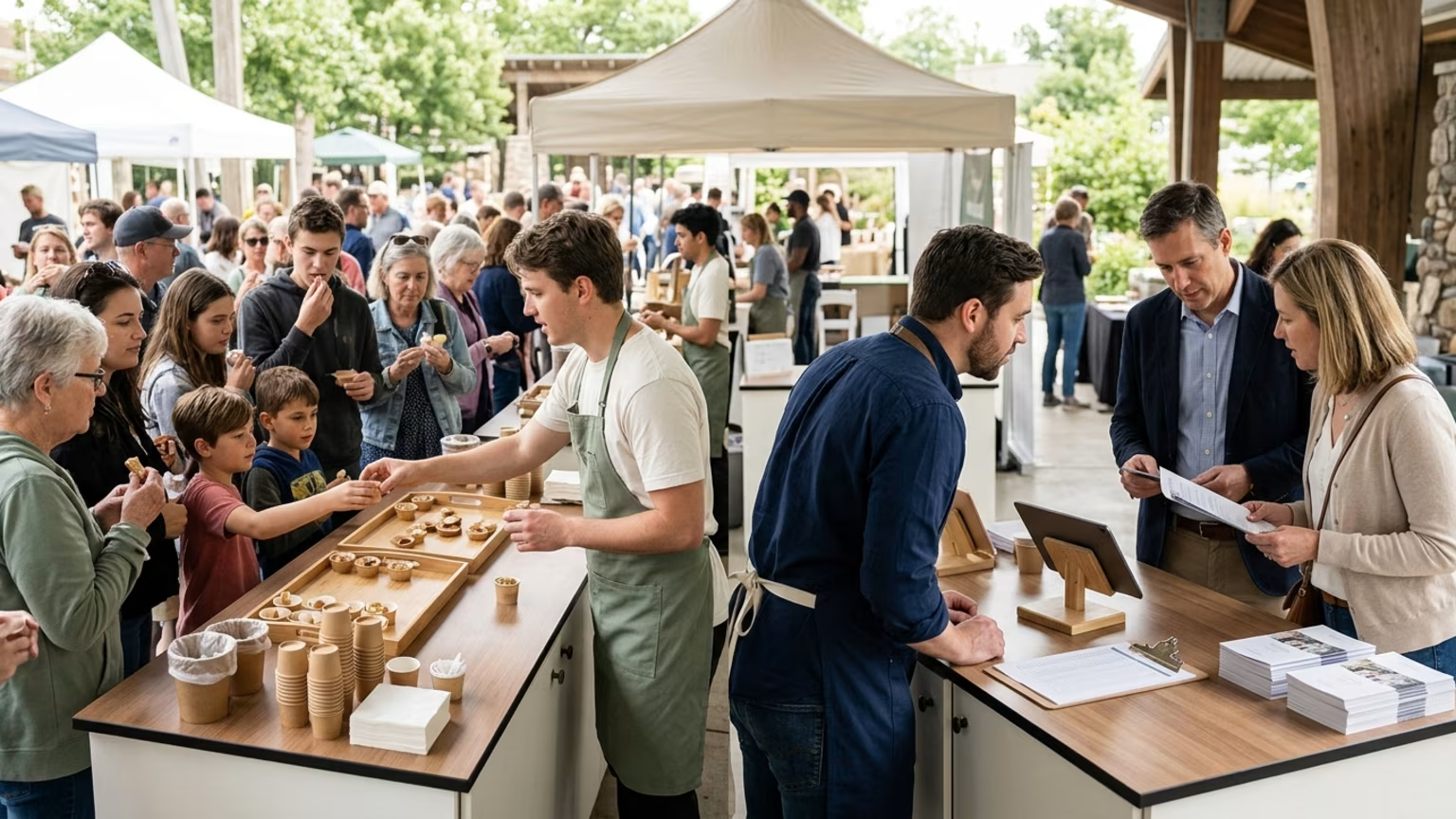
There was a time when a live demo was judged by foot traffic, a few photos, and a rough sales story at the end. That is not enough now. In 2026, strong experiential marketing programs do more than create a moment. They create signals, content, customer insight, and a better next step.
That shift matters most for food, beverage, and retail brands. Shelf pressure is high. New products need faster proof. Teams need to show what happened after the sample, after the roadshow, and after the event. A busy booth is nice. A program that feeds better follow up, better offers, and better reporting is what moves the business.
This is where Makai’s world fits. Live experiences can now work like an always on engine when they are designed to collect useful first party and zero party data with permission, then connect that data to AI driven follow up, retail testing, and smarter reporting. That applies to experiential marketing, retail demonstrations, Costco roadshows, and mobile sampling tours.
It is data your brand collects directly through your own touchpoints. In live programs, that can include QR opt ins, email signups, survey answers, product interest, store finder clicks, purchase follow up, and in some cases retail sales tied to a known program window.
It is information people choose to tell you directly. In a live demo, that might be favorite flavor, dietary needs, shopping goal, preferred retailer, or the type of offer they want after the event.
Because marketers need cleaner signals, better measurement, and better follow up. Live programs can create all three when they are built with data capture and consent in mind from day one.
AI helps sort signals, group audiences, trigger the right follow up, test offers faster, and surface patterns that a field team or brand team might miss in raw spreadsheets.
Yes. The key is value exchange. Ask for a small amount of information in return for something useful, such as a recipe, a coupon, a store finder, a giveaway entry, a personalized recommendation, or early access to a drop.
Do not stop at impressions or samples served. Track opt ins, qualified interactions, repeat visits, demo to purchase rate, retail lift, content outputs, and the quality of the follow up path after the event.
CPG and beverage brands are under pressure from both sides. On one side, they need trial. On the other, they need proof. The old split between “brand” activity and “performance” activity is less useful now because leaders want both.
That is why live programs still matter. A good sample can collapse the path from curiosity to action faster than most paid media. A good roadshow can create trial, learnings, and retail proof in the same week. A good tour can show which market, message, or product angle deserves more budget next month.
The difference is that high performing teams do not treat those programs like stand alone events. They treat them like a source of owned insight that can improve email, paid media, retail support, and sales follow up across the rest of the quarter.
If you work in CPG and FMCG, food, or beverage, this is where live work gets stronger. The event is the start of the system, not the end of it.
The best way to think about a modern activation is simple. First, create a useful moment. Next, capture one or two signals with permission. Then, send those signals somewhere your team can act on them.
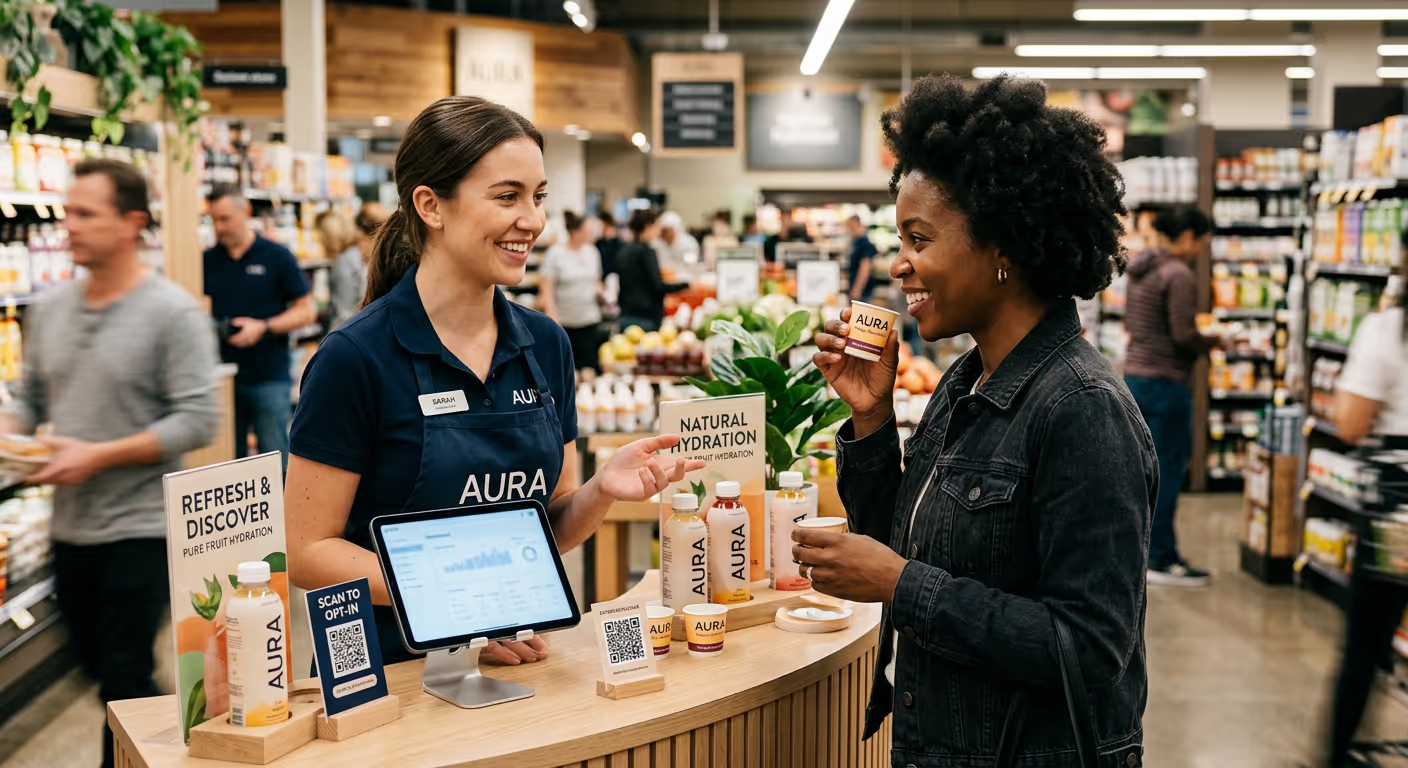
At a retail demo, first party data may come from a QR code on the demo table, a coupon redemption, a recipe download, or a store locator click. Zero party data may come from a fast question like “Which flavor would you buy first?” or “Do you want recipes, offers, or store updates?”
At a club program or roadshow, the capture layer can be just as light. A shopper tries the product, scans for a bundle guide, selects a preferred use case, and chooses whether they want a follow up offer or product tips. That is enough to turn a short in store moment into something your CRM or email flow can use.
At a mobile tour, the same pattern works across cities. You can compare which message got the most scans, which market asked for certain flavors, which stop created the most opt ins, and which offer drove the strongest store intent.
If you want a deeper take on this balance between relevance and restraint, Makai already has a related piece on AI powered personalization in experiences.
AI does not make the sample better. The product and the team still do that. What AI can do is help the brand act on what happened next.
Picture a beverage demo with three flavors. A shopper scans after tasting and chooses the citrus option as their favorite. They also select “send me store updates.” AI can help place that person into the right follow up path, send the right creative, and keep the offer tied to nearby stores.
Picture a multi market roadshow. In one city, the strongest responses come from a “protein snack” message. In another, a “better ingredient” message wins. AI can help sort the responses faster, cluster similar audiences, and support quicker creative changes across paid and owned channels.
Picture a national retail demo program with dozens of field teams. Notes from the floor show that one objection keeps showing up in certain stores. AI can help summarize those notes, spot the pattern early, and feed a revised talk track back to the team before the next wave.
That is the shift. AI is most useful when it helps your live team move from raw activity to clear action. It can help decide who gets what follow up, which market deserves the next spend, which message is underperforming, and which signals are strong enough to use in future planning.
A lot of experiential reports still stop too early. They show traffic, sample counts, and a photo reel. That is a start, but it is not enough for a 2026 planning cycle.
Modern experiential measurement should move through four layers.
For national programs, this gets even more useful. You can test message A against message B, compare market response, spot daypart patterns, and learn which retail conditions change the result. That turns a field program into a test bed for both retail and digital planning.
Makai already has a strong internal link for the reporting layer at experiential marketing reporting. This post should send readers there naturally because reporting is where a lot of budget conversations are won or lost.
Here are three simple examples that show the new model.
A better for you snack brand runs in store demos across several grocery chains. The team offers one fast taste and one QR code for recipes and store updates. Shoppers choose their favorite flavor and whether they care more about protein, ingredients, or convenience.
That single step gives the brand a better follow up path. Protein shoppers get one message. Ingredient led shoppers get another. The field team also learns which story works by chain and by market.
A brand runs a club roadshow with two product angles. One angle leads with value. The other leads with everyday use. The booth team logs which opener they used, which objection came up, and whether the shopper scanned for a follow up offer.
After the first wave, the brand can see which opener drove stronger conversion, which stores had better repeat traffic, and which creative should carry into paid media and email.
A beverage brand runs a summer sampling tour across several cities. Each stop has the same core setup, but a different local offer. One city gets a gym tie in. Another gets a grocery partner message. Another gets a weekend event angle.
The team compares scan rate, opt in rate, and post event store intent. Instead of guessing which city “felt best,” the brand can see which stop produced the best next step and why.
You do not need a giant tech rebuild to start. You need a tighter live plan and a cleaner data path.
If you are a CMO, brand lead, sales lead, or field lead, ask these questions before the next live program goes out.
If those answers are fuzzy, the program is still too close to the old event model. If those answers are clear, the program can become a real growth channel.
If you want to turn live demos, roadshows, and retail activations into a smarter growth system in 2026, Makai can help build the strategy, field execution, and reporting layer. Start with Request a proposal, review services, and see where we work for nationwide coverage.

30 Years Experiential & Retail Activation Partner for CPG & Beverage Brands | Multi-Market Demos, Roadshows & Costco/Club Programs That Actually Sell