Robbie Thain
Founder, CEO

Stop wasting trade show budgets on unqualified badge scans. Learn how to turn event execution into measurable pipeline and long-term business relationships.

Collecting business cards at a trade show is a complete waste of time. The industry obsession with scanning hundreds of badges creates the illusion of progress without actual revenue. The real value of any live event relies entirely on a disciplined process to qualify interest and convert brief interactions into measurable commercial opportunities. Generating Return on Investment requires an operational shift from passive visibility to structured conversations that force a decision.
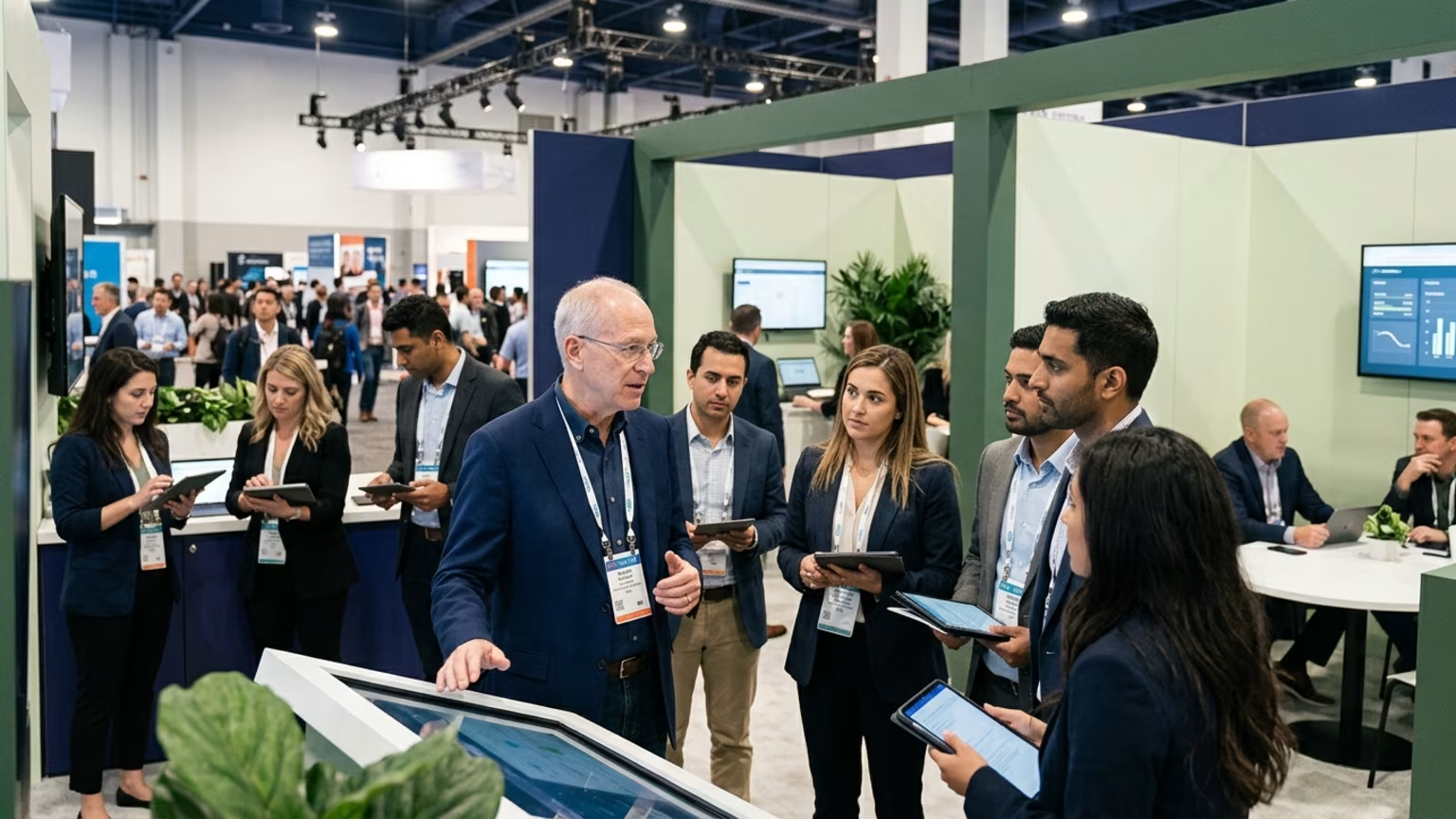
A typical field marketing team stands exhausted on day three of a massive industry expo. The carpet is worn down under their aching feet. The sales reps are drained from repeating the exact generic pitch to passive walkers. Thousands of attendees pass by the booth every single hour of the day.
The team scans hundreds of badges with no clear context attached to the names. According to research from The Network for Effective Corporate Health, business development graveyards are full of forgotten event interactions. Their data shows that a massive percentage of these contacts evaporate post-event. This tragic loss happens when teams rely on scattered notes or misplaced business cards.
Passive exhibitors relying on walk-up traffic see severely declining returns year after year. They face much higher costs per lead compared to digital acquisition channels. This approach creates the classic beautiful dumpster fire for marketing operators. The booth looks incredibly busy to casual observers and visiting executives.
The actual sales pipeline remains completely stagnant after the exhibition doors close. Without strict CRM discipline, promising leads turn into frustrating missed chances rapidly. The noise of the event floor distracts from the core mission of revenue generation. Brands need a significantly better way to capture attention and document actual buying intent.
You need a systematic framework to fix this completely broken operational model. Strategic exhibitors now treat their booths as active meeting hubs rather than static displays. They prioritize intent-based targeting over passive exposure on the show floor. This requires shifting focus from sheer lead volume to interaction quality entirely.
Pre-show preparation forms the absolute foundation of this modern strategy. Teams must mine their contact databases and schedule targeted meetings before the doors open. A short in-person conversation creates the foundation for future cooperation in ways that email simply cannot match. Analysts from Research FDI note that face-to-face meetings accelerate trust in long sales cycle industries.
The strategy mandates rigorous CRM discipline on the highly distracted exhibition floor. Every single conversation must end with documented context and a clear next step. You must answer the question of why the prospect should care about your product. This rigid structure prevents warm leads from slipping through the cracks later.
It forces accountability across the entire sales and marketing operation. For those planning a framework for booking verifiable executive meetings, this discipline dictates long term success. Data from Iconic Displays shows that booth designs evolve into active lead engines under this strict framework. This boosts foot traffic and engagement duration through experiential elements tailored for trust-building.
Digital channels excel in rapid scale and lower upfront costs. Face-to-face events shine only for high-value deals where lifetime value offsets the massive expenses. You must align your floor strategy with the financial reality of the business model.
Turning a physical footprint into a relationship engine requires strict operational steps. Teams must execute this sequence flawlessly during live events to justify the high costs. Random interactions yield random results on the expensive exhibition floor. A standardized approach secures measurable pipeline growth and justifies the marketing budget.
You cannot manage an event strategy without tracking the right operational numbers. Teams need to measure exact actions that indicate future revenue growth accurately. Vanity metrics like total booth visits tell a highly misleading story to leadership. True success requires a relentless focus on clear lead and lag performance indicators.
Lead metrics track the immediate operational health of your live physical activation. You should monitor the number of pre-booked meetings secured before the event starts. Track your qualified conversation ratio to evaluate floor staff performance accurately and fairly. High ratios show that your team is having the right discussions with the right buyers.
If you are preparing for a coming event, review upcoming spring exhibition schedules to set these benchmarks early. Setting these precise targets early provides a clear goal for the pre-show outreach team. It aligns the sales department and the marketing department under a shared revenue objective. Regional shows often yield higher qualified conversation ratios driven by lower total event costs.
Lag metrics reveal the actual financial impact weeks or months after the show ends. Calculate the precise cost per qualified opportunity to justify the physical footprint expense. Track the exact conversion rates of event contacts moving through the long sales pipeline. These hard numbers prove Return on Investment to skeptical executive boards and financial officers.
Look at a premium beverage brand launching a new product line at a massive national expo. They completely bypassed the standard tactic of handing out blind samples to every passerby. The marketing director pre-booked twenty strategic meetings with targeted national retail buyers. They turned the booth into an exclusive tasting and strategy room for VIP guests.
Booth staff asked three precise qualification questions to un-ticketed walk-up traffic. Qualified regional buyers received focused attention and immediate CRM logging on tablets. The team followed up within 24 hours with exact distribution terms discussed on the floor. This exact precision turned casual tasting sessions into locked retail partnerships very quickly.
The industry data supports this exact methodical approach for premium consumer brands. Reports from Audie Expo confirm that trade shows generate higher-quality leads than digital-only advertising campaigns. The physical face-to-face format accelerates decision-making when the deal size justifies the direct engagement. The physical presence proves the viability of the brand to major cautious retail partners.
Large shows often underperform without this type of strict pre-booking or multi-market strategy. Smaller regional events trade sheer volume for quality but demand precise targeting to avoid operational inefficiency. If your brand is tired of running events that produce zero evidence of success, book a strategy call with our team. We turn chaotic field execution into disciplined pipeline generation.
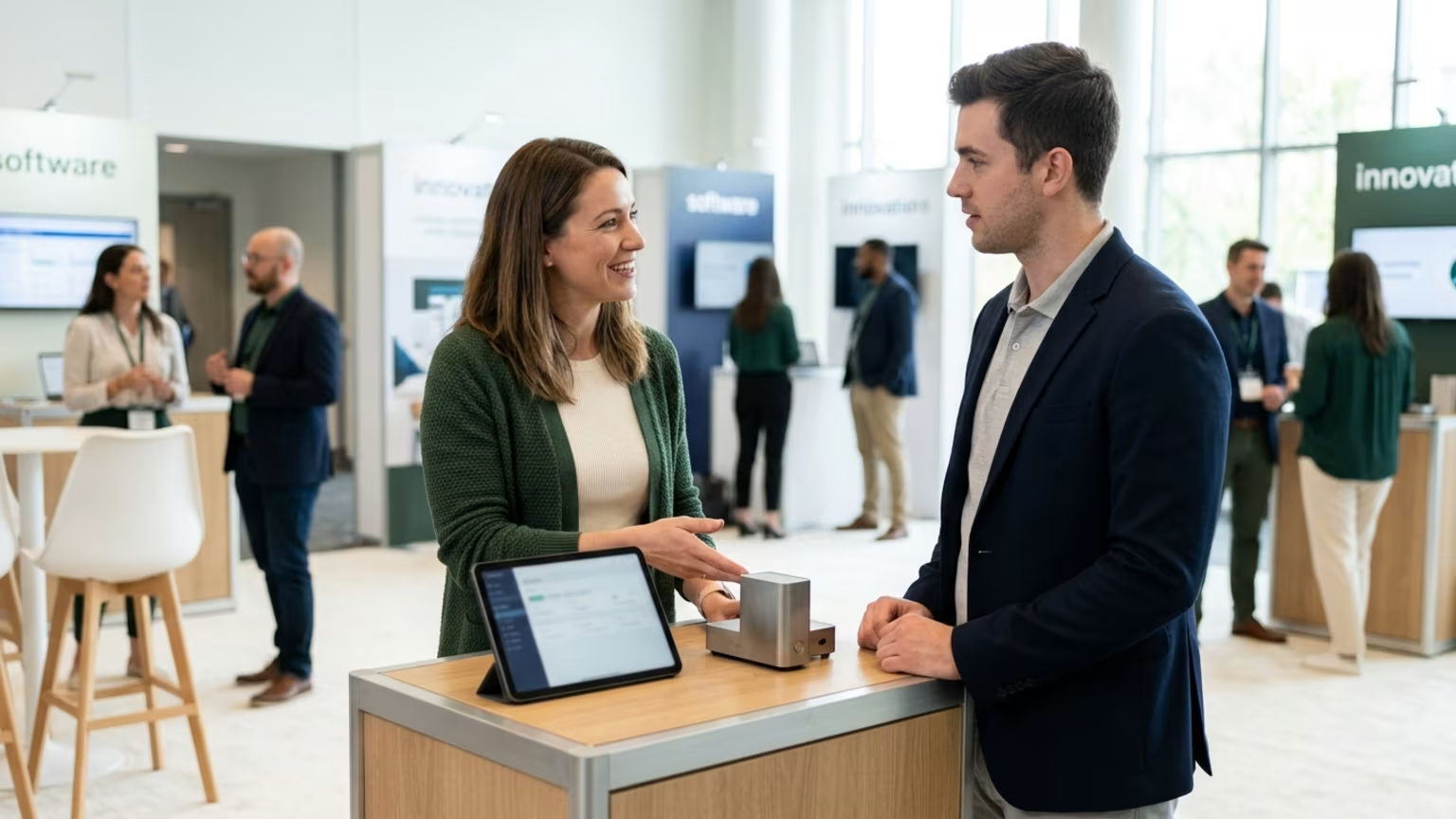
The physical trade show floor remains a powerful space for human connection. Deals still require handshakes, eye contact, and shared understanding. Technology handles the tracking, but the conversation builds the trust. A quiet conversation often speaks louder than the busiest exhibit.

30 Years Experiential & Retail Activation Partner for CPG & Beverage Brands | Multi-Market Demos, Roadshows & Costco/Club Programs That Actually Sell