Robbie Thain
Founder, CEO

Turn trade show buzz into a measurable retail pipeline with high-converting street activations. Learn how to drive trial and secure long-term buyer confidence.

Sarah scanned the expo hall at hour forty-six. Her booth was packed with interested buyers sipping her new functional beverage. But as she packed up her display crates, a cold panic set in. She had absolutely zero plan for keeping this energy alive once everyone flew back to their respective headquarters.
Turning trade show traffic into a measurable retail pipeline requires a structured follow-up strategy that brings the brand directly to the consumer. This guide provides a systematic approach for converting post-event interest into high-converting street activations that drive immediate trial and secure long-term buyer confidence.
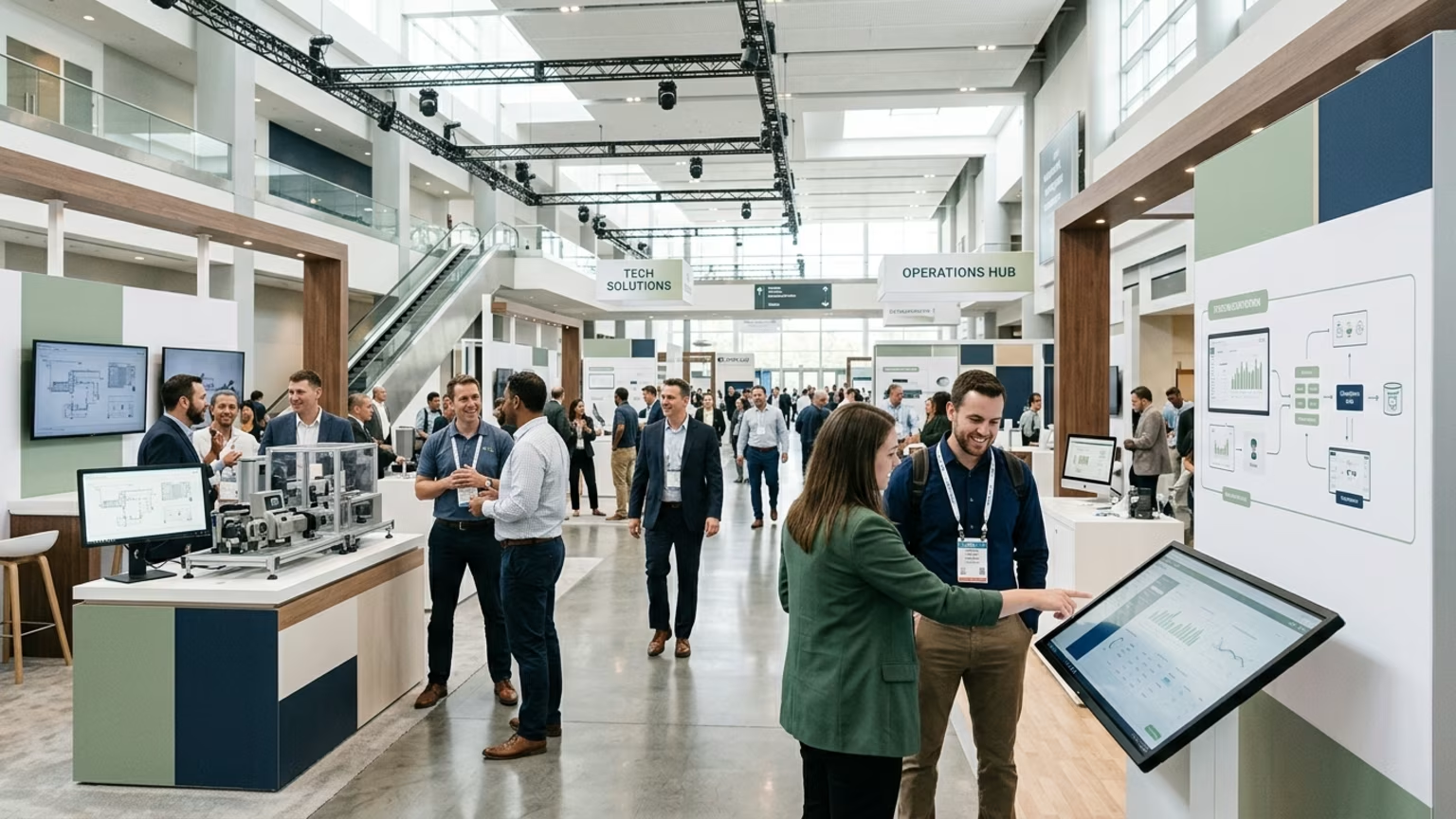
You spend months preparing for a massive national expo. Your marketing team builds a beautiful booth to attract the right retail buyers. You scan hundreds of badges and hand out thousands of product samples over a grueling three days. The energy feels fantastic on the show floor.
Then you return to the office on Monday morning. The leads get dumped into a massive spreadsheet for the sales team. The reps send a generic email blast to every person who stopped by your space. The busy buyers ignore the messages entirely.
The buzz flatlines completely within a week of the event. This is the common trap of isolated event marketing. Trade shows create a highly concentrated bubble of industry interest. Buyers want proof that real consumers will actually pull your product off retail shelves.
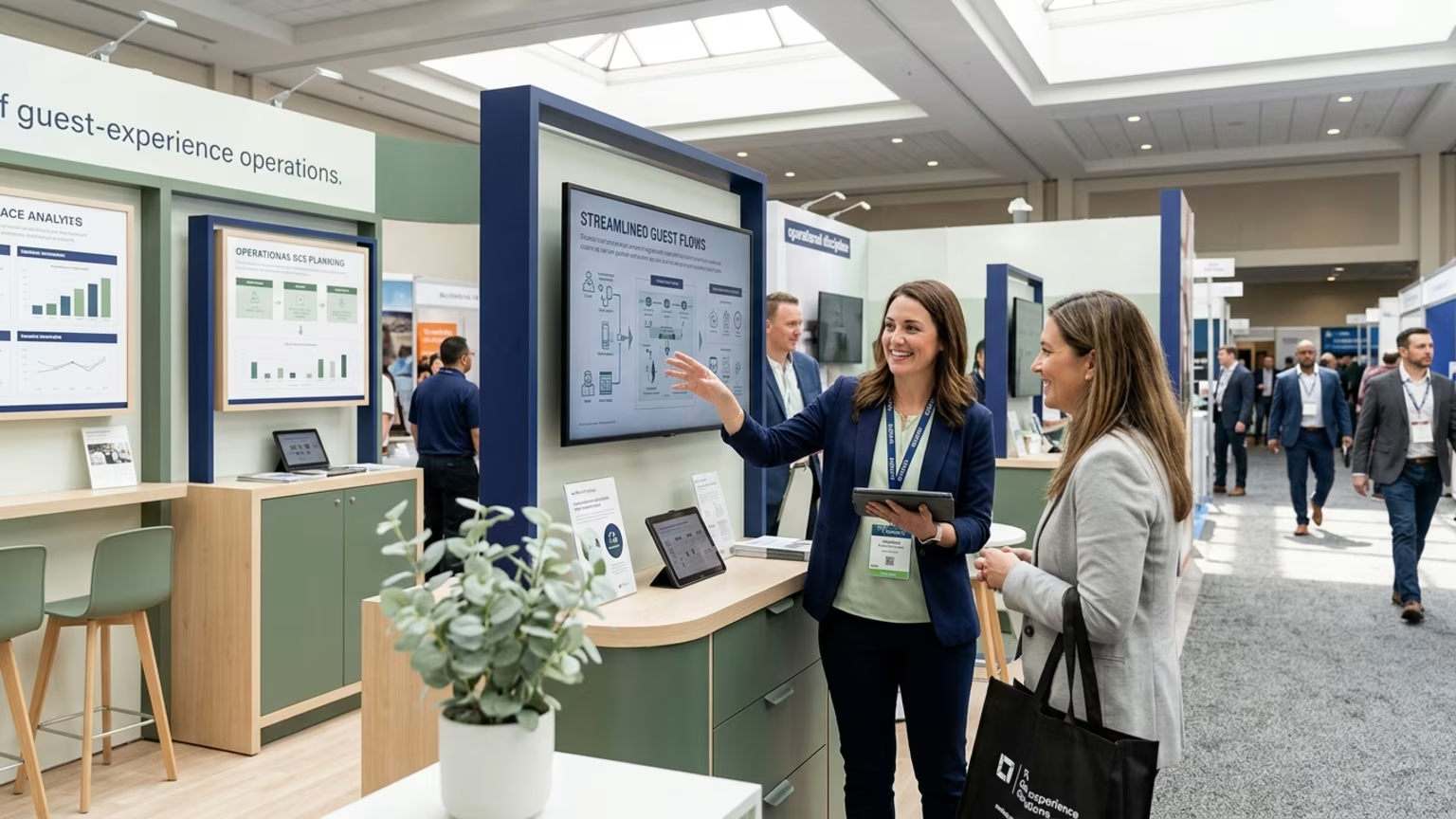
They need to see that your trade show success translates into physical traction in the real world. A pile of business cards does not prove consumer demand. Building a flawless trade show booth for high-conversion networking is merely step one. That initial handshake requires immediate follow up.
A successful campaign requires a two-way engagement model to capture attention. You must invert traditional advertising habits to make a lasting impact. Instead of pushing one-way messages, you must design interactive experiences where customers participate directly. According to industry analysts, brand activation works best when it transforms casual observers into loyal fans.
This approach creates a clear path to purchase for your target demographic. This means taking the show on the road immediately following the expo. We design mobile activations and roadshows that accelerate consumer trial, build trust, and boost retail velocity during 90-day product launch windows. Our structured approach transforms initial product trial into sustained consumer confidence and retail performance.
You must shift your mindset from merely collecting leads to proving retail velocity. The strategy relies on identifying high-priority retail markets where your key buyers operate. You then deploy targeted pop-up events and mobile marketing tours in those exact territories. This creates localized buzz that proves your product moves off the shelf.
When you bring the brand to the streets, you control the entire narrative. You remove the friction of waiting for a buyer to test your product internally. You show them exactly how their own local shoppers react to your item. This transition is the secret to converting sample distribution into retail pipeline velocity with total predictability.
You cannot rely entirely on digital follow-ups to close major retail deals. A series of automated emails lacks the physical weight needed to impress senior decision makers. Taking the brand directly to the street demonstrates operational competence. It proves to the buyer that your company possesses the logistical capability to support nationwide retail distribution.
Transitioning from an indoor expo to localized street activations requires rigid operational discipline. You need a systematic playbook to maintain consistency across multiple regional markets. Executing this flawlessly separates top tier brands from amateur operations.
Buyers want to see a clear Return on Investment before committing to a massive order. You must provide them with hard evidence of consumer demand. Tracking the right data separates amateur hour from operator-grade execution. Guesswork has no place in field marketing.
Lead metrics tell you if your street activation is generating immediate interest. You should track localized foot traffic, the number of samples distributed, and immediate digital interactions. Industry research shows that tracking event hashtags and user-generated content reach provides early indicators of campaign health. Capturing these numbers daily keeps your field teams accountable.
Lag metrics prove the long-term business impact of your field campaign. You need to monitor the trial-to-purchase conversion rate in the weeks following the event. Track the regional retail sell-through data and the volume of wholesale reorders. Comparing these figures against your baseline sales proves the true value of your activation.
The formatting of your data report matters just as much as the numbers themselves. Retail buyers lack the time to sift through massive raw data files. You must present the metrics in a clean, single-page summary that highlights the localized success story. Grouping the data by region makes it effortless for the buyer to forward the report to their internal purchasing committees.
Presenting these precise figures builds tremendous confidence with retail partners. It proves that you can generate your own demand without relying entirely on their marketing efforts. Brands that master this data collection process consistently outperform their competitors. Measuring the right numbers is the only way to track metrics that prove trade show success beyond simple badge scans.
A functional beverage brand recently secured several promising meetings at a massive national food expo. Rather than relying on standard email cadences, they immediately launched a targeted mobile sampling tour. They parked customized activation vehicles outside key retail targets in three major cities. This brought the product directly to the exact demographic their buyers wanted to reach.
The activation team tracked exact attendance numbers and localized social media mentions for each stop. They gathered video testimonials from real consumers trying the drink for the first time. The field marketing team compiled this local data into a concise report. They sent this hard evidence directly to the buyers they met at the initial expo.
The results spoke for themselves during the follow up sales calls. The buyers saw undeniable proof of consumer demand in their own territories. The brand eliminated the risk for the retailer by proving the product would sell immediately. This direct evidence of retail velocity secured national distribution agreements within two months.
You can achieve these same results with proper planning and execution. Executing a seamless transition from a B2B event to a B2C street activation requires expert coordination. If you want to stop guessing and start measuring your field execution, book a strategy call with our team. We can help you build a profitable post-event pipeline that converts.
Transforming your static presence into a revenue generating roadshow hub guarantees your brand stays relevant long after the expo ends. Stop letting your best leads go cold on the flight home. Map out your localized follow-up tour before you even pack for your next expo.

30 Years Experiential & Retail Activation Partner for CPG & Beverage Brands | Multi-Market Demos, Roadshows & Costco/Club Programs That Actually Sell