Robbie Thain
Founder, CEO

Learn how a tea brand used a phone-locking vending machine to drive product sampling, create behavioral friction, and turn casual foot traffic into retail sales.
The midday sun beats down on a packed outdoor plaza. Hundreds of pedestrians walk past a massive brand footprint without looking up from their screens. Exhausted brand ambassadors extend trays of free beverages to people who simply ignore them. Piles of warm product sit untouched on a folding table.
Experiential marketing works best when physical sampling requires a minor behavioral commitment from the consumer. A recent tea brand activation proved this by requiring users to place their phones in a vending machine locker to earn a premium sample.
Field marketing teams face this exact nightmare every single weekend. You secure an expensive location at a major street festival or trade show. You ship pallets of product across the country and hire a dozen temporary staff members. The event opens and consumers walk right past your booth like it does not exist. Handing out free items feels like begging for attention.
When attendees finally take a product, they toss the empty bottle in the nearest trash can and forget your brand entirely. The activation produces zero qualified leads and zero measurable sales lift. Marketing executives demand proof of Return on Investment from these live events. The field team has nothing to show but empty boxes and a massive invoice. The disconnect between physical presence and actual consumer attention destroys marketing budgets.
Operators need a system that captures focus and drives measurable retail demand. Handing a cold bottle to a distracted person yields terrible conversion rates. The consumer drinks the sample without tasting it or remembering the brand name. The entire exercise wastes capital and frustrates the execution team.
People value what they work for. Giving away product with zero friction creates zero brand equity. A strategic sampling campaign introduces a minor challenge that forces the consumer to pause. This pause breaks them out of their autopilot routine and demands real presence.
For the tea brand, the friction was temporary phone separation. The consumer had to place their device in a secure locker for a few minutes. This small act created anticipation and forced genuine engagement with the environment. The reward was a chilled beverage and a quiet moment to actually taste it. We know that planning pop ups people actually visit requires trading passive observation for active participation.
When a consumer earns a product, they feel a sense of ownership. That ownership translates directly into higher retail sell-through and brand loyalty. The challenge must feel fun rather than punishing. The mechanical act of locking a phone creates a spectacle that draws onlookers. Curious crowds gather to watch the machine operate, which naturally multiplies your foot traffic.
The psychological shift from passive receiver to active participant changes the entire brand relationship. Consumers stop looking at the interaction as a cheap giveaway. They view the product as a prize they successfully earned through participation. This mental reframing drastically improves product recall when that same consumer walks down a grocery store aisle weeks later.
Modern consumers suffer from severe attention fatigue. Breaking through that fatigue requires a physical disruption. A glowing touchscreen or a simple sign cannot compete with a smartphone feed. A massive mechanical vending machine creates a physical barrier that commands attention. The sheer size and novelty of the hardware forces people to stop walking and investigate.
A successful interactive sampling campaign requires strict operational discipline. You cannot just drop a machine on a sidewalk and expect magic. Field teams must follow a precise execution framework to turn crowds into customers.
Beautiful vending machines mean nothing without hard data. You must track lead indicators during the event and lag indicators after the event. Lead metrics include total machine interactions, average dwell time, and digital opt-in rates. If foot traffic is high but machine interactions are low, your messaging is weak.
Lag metrics reveal the actual business impact of your campaign. You need to measure coupon redemption rates at nearby retailers over the next thirty days. You must track user-generated content shares and the resulting earned media value. When emerging snack brands build retail pipelines, they tie every free sample back to a specific retail ZIP code.
This localized data proves your field marketing spend actually moved product off the shelf. CRM routing needs to happen automatically. The moment a consumer enters their phone number into the vending machine interface, your system should tag their geographic location. This allows regional sales directors to show retail buyers exactly how much local demand the activation generated.
Metrics separate marketing theater from profitable business operations. Executive teams no longer accept photos of smiling crowds as proof of success. They want to see the exact cost per acquisition and the projected lifetime value of the consumers you sampled. A hardware-based activation provides the precise digital tracking necessary to answer those questions confidently.
Tracking the physical flow of inventory provides another layer of operational insight. You can match the exact number of samples dispensed against the digital opt-ins captured. This simple reconciliation process exposes any inefficiencies in your lead capture strategy. If you hand out one thousand bottles but only collect two hundred emails, your ambassador team needs retraining.
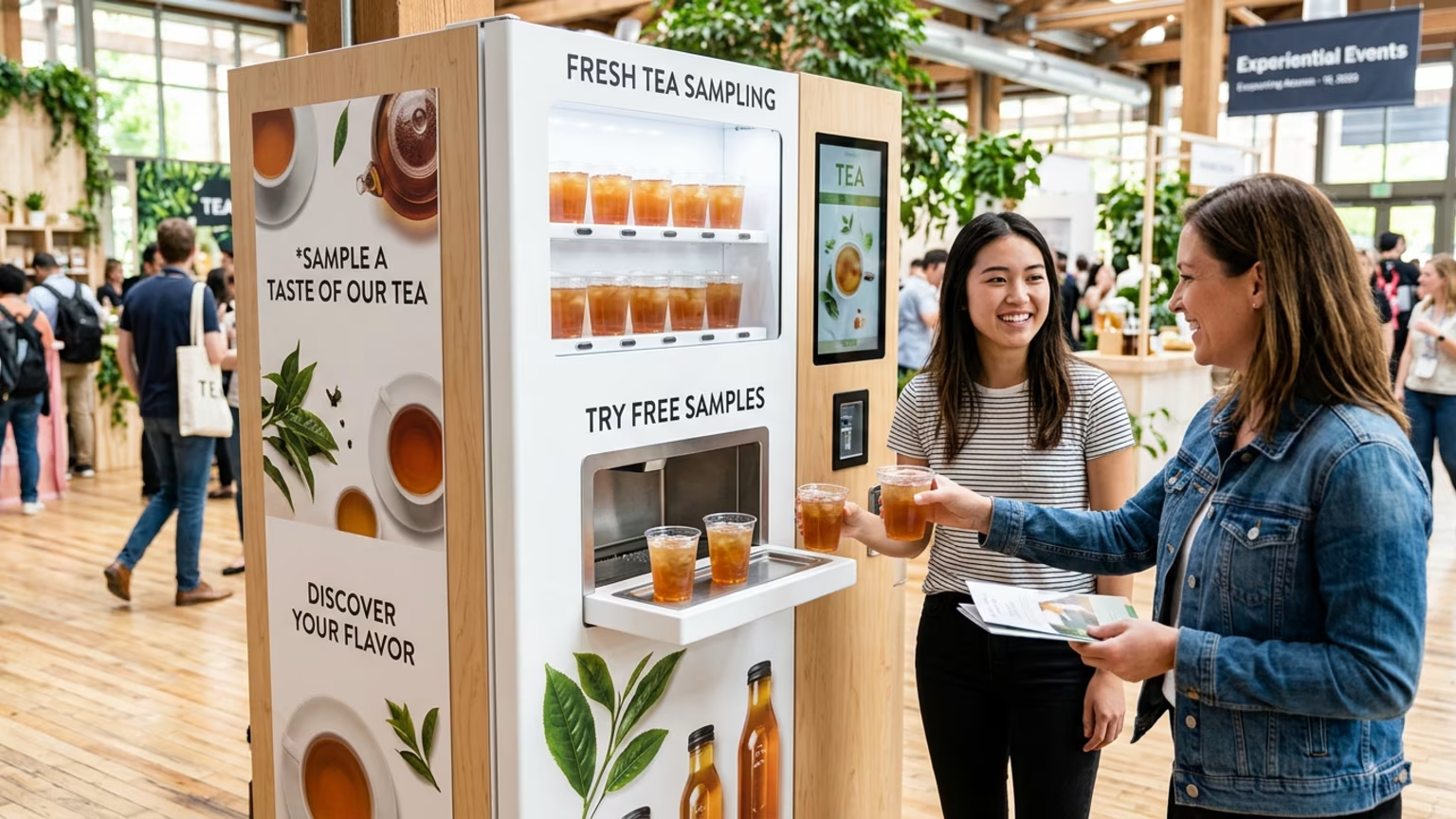
The recent tea brand activation perfectly illustrated this disciplined approach. They installed a sleek vending machine in high-traffic urban areas. The machine featured a clear acrylic lockbox for smartphones. Pedestrians placed their phones inside for a set duration to dispense a premium iced tea.
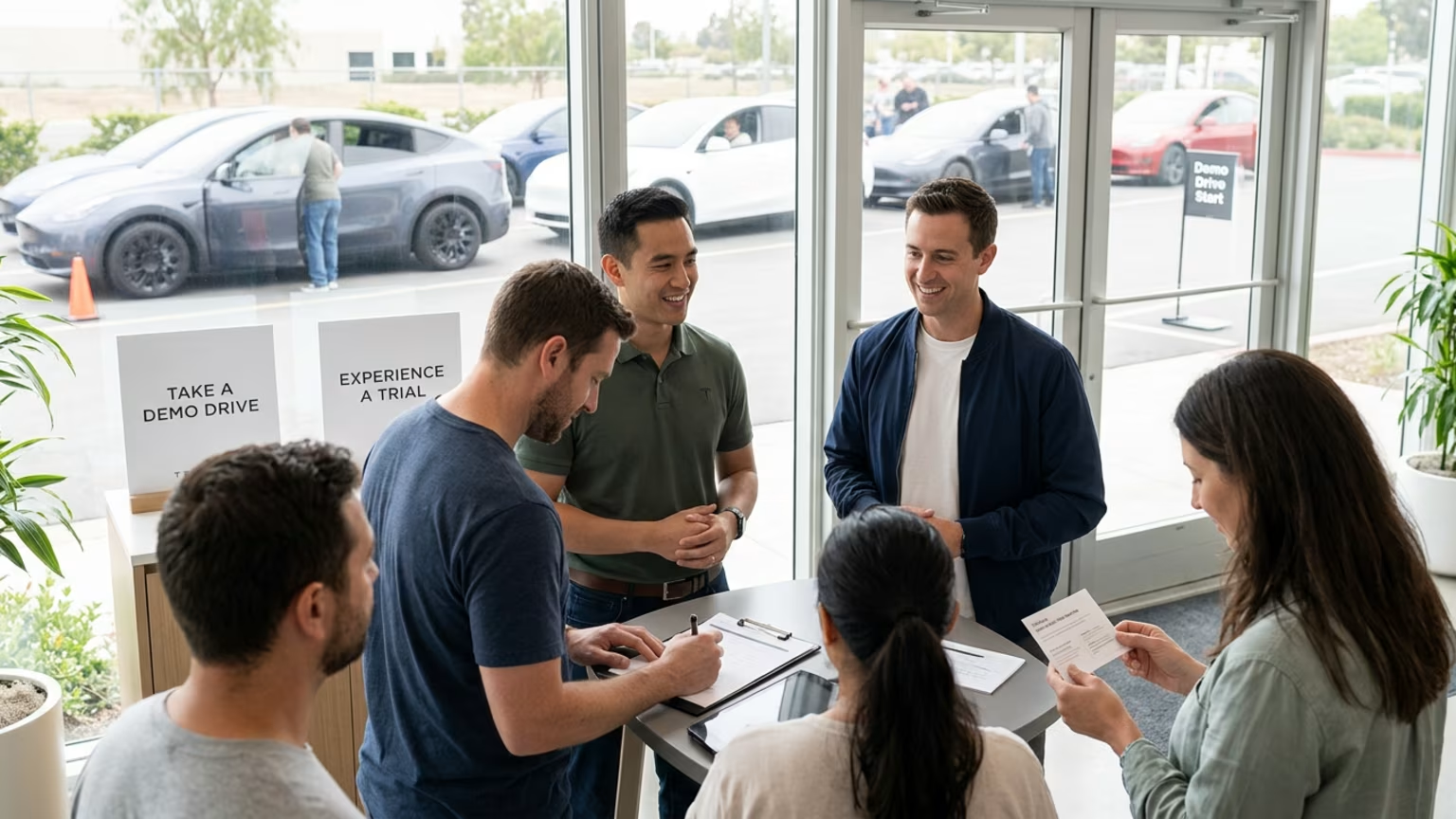
Friends filmed the process on other devices, which naturally generated organic social media content. The activation captured attention and forced users to experience the beverage without digital distraction. A Brand Manager in the CPG space shared: 'Makai transformed our test-drive activation into an emotional brand journey. They connected technology, lifestyle, and experience seamlessly, and turned casual visitors into loyal fans.' We successfully integrated multiple experience layers to convert casual participants into committed brand advocates.
This strategy turned a basic product trial into a highly shareable social event. The brand captured first-party data, delivered a perfect product experience, and generated massive local awareness. The physical hardware acted as a magnet for foot traffic. The mechanical interaction provided a clear reason for consumers to stop walking and start playing.
The activation also solved the classic sampling problem of wasted inventory. Every single bottle dispensed went to a consumer who actively participated in the brand story. No product went to passive bystanders or unengaged pedestrians. This targeted distribution method drastically lowers the cost per qualified lead and protects brand equity.
Campaigns like this separate serious operators from amateurs. Field marketing requires precise execution, psychological insight, and rigorous data tracking to succeed. If your current event strategy relies on hope and folding tables, it is time for a change. Book a strategy call with our team to build campaigns that drive real pipeline.
Great field marketing turns momentary curiosity into measurable revenue. Stop handing out freebies, and start engineering experiences.

30 Years Experiential & Retail Activation Partner for CPG & Beverage Brands | Multi-Market Demos, Roadshows & Costco/Club Programs That Actually Sell