Robbie Thain
Founder, CEO

Trade show activations must evolve past casual sampling. Learn how brands turn passive floor traffic into measurable sales data with structured retail demos.

Sarah stood at the edge of her brand booth. Attendees grabbed free samples without breaking their stride. Thousands of dollars vanished in hours, leaving her with zero new retail leads. It was the classic trade show trap.
Trade show activations must evolve past casual sampling to survive tight marketing budgets. Brands can turn passive floor traffic into undeniable sales data by structuring retail demos around precise trial zones and measurable outcomes.
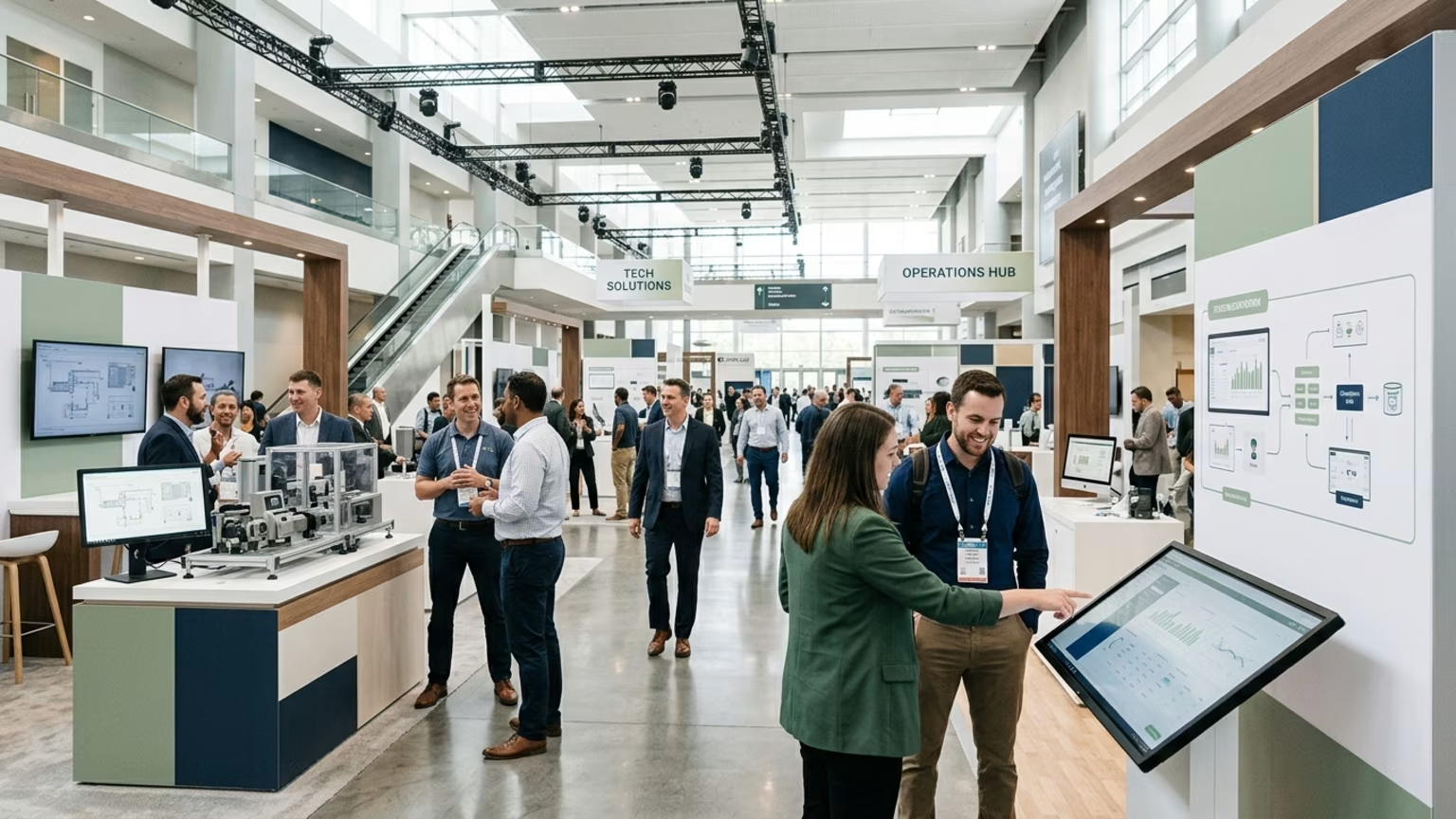
The trade show floor often feels completely out of control. Brand leaders spend massive amounts of money on prime floor space. They expect a professional environment for meeting regional distributors. The actual experience rarely matches the initial vision.
Massive crowds descend on the booth within minutes of the doors opening. Attendees are hunting for free snacks rather than business partnerships. Staff members quickly become overwhelmed by the sheer volume of hands. They pass out premium product as fast as possible just to keep the aisle clear.
This chaotic environment actively repels serious retail buyers. A major regional purchasing manager will not fight through a mob for a conversation. They skip crowded booths entirely to protect their own time. The brand loses the exact target audience they paid to meet.
The post event reality brings even more frustration to the marketing team. Field teams return to the office with hundreds of generic badge scans. The sales team calls these leads only to find unengaged consumers. The massive event budget produces zero verifiable pipeline growth.
Marketing directors face heavy scrutiny during quarterly budget reviews. They cannot defend the event spend without clear financial returns. Executives demand proof that physical events drive actual retail shelf placement. The old method of unstructured sampling simply cannot provide that proof.
We specialize in creating retail demos, product sampling programs, and roadshows that bring brands face to face with their audiences. Each program is designed to drive trial, build consumer relationships, and accelerate retail velocity across multiple locations. We apply this exact operational mindset to massive convention halls. A clear strategy fixes the broken dynamic of the event floor.
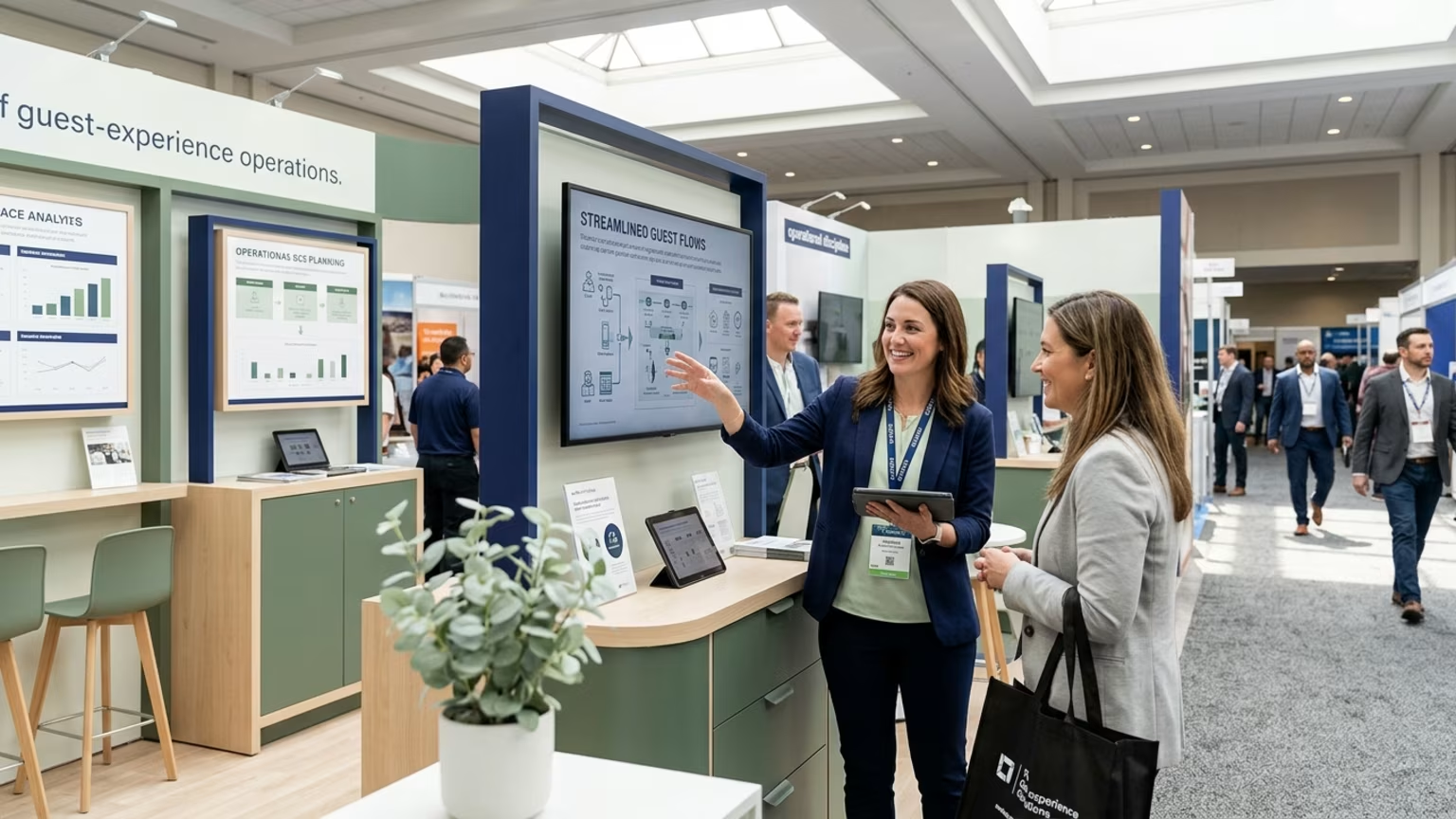
The fundamental shift requires dividing your booth into two completely separate zones. You must establish an outer trial perimeter and an inner consultation sanctuary. This physical barrier acts as a filter for different types of attendees. Casual visitors stay on the outside for a quick interaction.
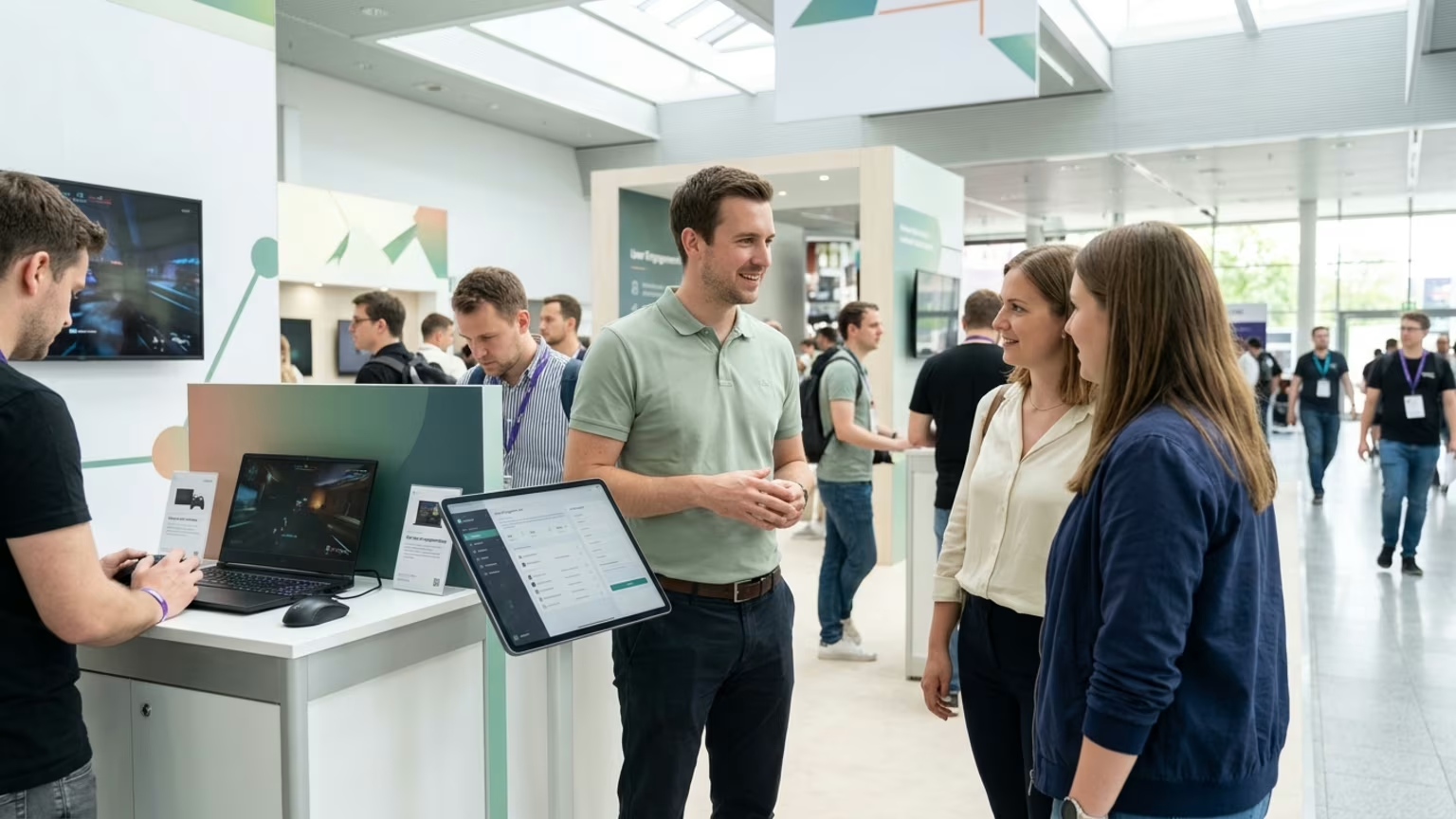
The outer zone exists purely for high speed qualification. Brand ambassadors manage this area with intense focus and energy. They trade a product sample for a badge scan and a single qualifying question. This trade stops the bleeding of unaccounted inventory.
The inner zone serves a completely different business purpose. It operates as a private meeting space for confirmed retail buyers. High level account executives manage this space exclusively. They conduct deep product reviews far away from the noise of the main aisle.
This framework stops the overlapping of staff responsibilities. High paid sales directors should never pour drinks for college students on the convention floor. Brand ambassadors should never attempt to negotiate retail distribution deals. Strict zone management keeps everyone focused on their highest value tasks.
Brands that invest time in planning effective retail buyer meetings see higher returns. The physical layout of the booth dictates the quality of the interaction. You control the flow of traffic rather than letting the traffic control you.
Translating this strategy into reality requires absolute discipline from the entire team. You need a step by step playbook to prevent old habits from surfacing. Live events move rapidly. A rigid system protects your activation from falling apart under pressure.
Following these steps creates an unbreakable system for the floor team. Brands using advanced tools for lead capture and real time scoring operate with extreme precision. They capture value from every single footprint.
The executive suite expects clear math after a six figure event spend. They want to see exactly how the trade show generated real business value. Capturing the correct data to prove trade show Return on Investment protects your experiential marketing budget. You need specific lead and lag metrics for your post event report.
Lead metrics provide instant feedback on floor performance during the show. Scheduled booth meetings serve as the primary indicator of serious buyer interest. You must track how many targeted buyers actually arrived at the consultation zone. A high arrival rate proves your pre show matchmaking strategy worked.
Qualified demo completions measure the success of the outer perimeter. This number reveals how many casual visitors answered the required qualifying questions. It separates real conversations from drive by sampling. This data point helps refine the messaging for the next day.
The sample to scan ratio highlights your operational efficiency on the floor. You calculate this by dividing total samples distributed by total badge scans. A high ratio indicates your staff is giving away product without capturing data. A one to one ratio represents perfect execution in the trial zone.
Lag metrics tell the final story of the activation over the following months. Post show retailer appointments indicate successful sales follow up from the floor. You track how many initial booth meetings turned into formal office presentations. This confirms the quality of the initial connection.
Specific retail velocity lift measures product movement in the newly acquired buyer regions. This data confirms the long term impact of the event on consumer demand. Your CRM conversion rate acts as the ultimate measure of success for the campaign. You monitor the exact percentage of show leads that become active paying accounts.
Presenting these exact metrics gives the CFO absolute clarity on your operations. It proves the experiential marketing team operates with true financial discipline and rigor. Gone are the days of justifying budgets with photos of crowded booths. Real numbers secure future funding for bigger and better brand activations.
A premium snack company recently faced a major product launch challenge. They needed to secure placement in major natural food retailers nationwide. Previous trade show appearances had resulted in massive sample loss and minimal sales. The VP of Marketing decided to overhaul their entire event methodology completely.
The team abandoned their traditional open concept booth design for the upcoming expo. They built a large sampling counter facing the main foot traffic aisle. Brand ambassadors manned this outer station with strict and clear instructions. They only handed out the new flavor after scanning an attendee badge.
The interior of the booth operated like an exclusive tasting room. The sales directors sat at small tables with pre booked retail buyers. The outer ambassadors watched for specific colored badges indicating buyer status. They signaled the interior team immediately upon spotting a target.
A senior sales director would step out and invite the buyer inside. They offered the buyer a private tasting of unreleased future product lines. This made the buyer feel valued and protected from the massive crowds. The separation produced immediate and undeniable results for the entire brand.
The outer ring scanned three thousand qualified industry contacts over three days. The inner ring hosted forty two uninterrupted buyer meetings with decision makers. The sales team closed twelve new regional distribution deals within a single month. Building a structured CPG sampling strategy takes intense operational commitment.
The follow up process for this snack brand became incredibly streamlined. The CRM system automatically categorized the three thousand general contacts for email nurturing. The twelve closed deals generated enough revenue to pay for the entire booth. This success cemented the dual zone strategy as their permanent event standard.
To start improving your next event today, map out your floor plan and draw a hard line between the public tasting area and the private buyer tables. Book a strategy call with our team to turn your next live activation into a measurable sales engine.

30 Years Experiential & Retail Activation Partner for CPG & Beverage Brands | Multi-Market Demos, Roadshows & Costco/Club Programs That Actually Sell