Robbie Thain
Founder, CEO

Master multi-city product launch logistics with this step-by-step checklist. Learn how CPG brands eliminate vendor chaos and drive real trade show ROI.
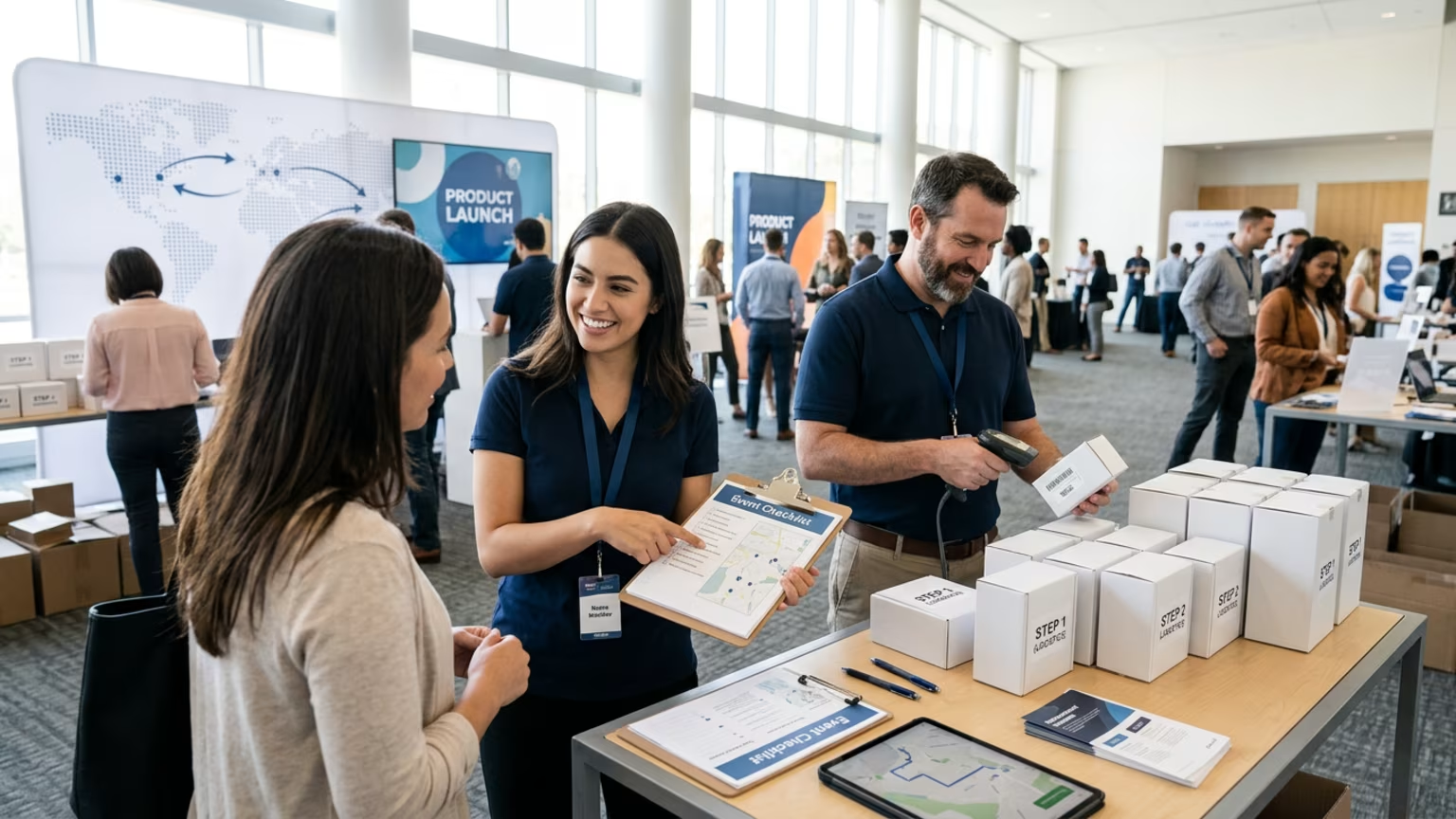
Multi city product launches are not creative exercises. They are high stakes supply chain operations disguised as marketing. Coordinating staff, physical gear, and perishable stock across multiple markets requires a logistics framework built for zero failure. Event marketers face intense pressure to deliver flawless brand moments in unpredictable physical environments.
This checklist delivers a systematic approach to unify fragmented field operations. It turns complex national rollouts into repeatable revenue machines. We will map out the exact steps needed to align vendors, automate scheduling, and secure local health permits. By adopting these exact operational protocols, brand leaders can permanently eliminate the stress of disjointed field executions.
The exhibit hall doors open in exactly two hours. Your custom sampling booth remains half assembled in the center of the concrete floor. Local brand ambassadors text your field manager to ask where their branded uniforms are. Meanwhile, the primary freight carrier just notified your team that the main product pallet is delayed at a transfer hub three states away.
This chaotic scenario plays out weekly at national trade expos and major retail parking lots. Field marketing managers spend months designing brilliant consumer experiences and custom sampling programs. They negotiate premium footprint spaces and craft compelling brand messaging for target audiences. Then, fragmented vendor management tears the flawless execution apart piece by piece.
Relying on separate suppliers for local freight, temporary staffing, and regional storage creates dangerous operational blind spots. Each vendor operates in a silo, unaware of the broader campaign dependencies. When local health permits clear late, campaigns lose entire days of valuable consumer interaction. If inventory sits locked in the wrong warehouse, experiential teams pay skilled ambassadors to stand around empty tables.
The financial damage of a single missed delivery window cascades through the entire event budget. Retail buyers notice when a highly anticipated product fails to show up on the activation floor. Without precise logistical coordination, beautiful creative strategies simply fail before a single consumer tastes the product.
Turning raw creative concepts into flawless field execution requires an integrated logistics framework. The smartest strategy relies on consolidating core vendor operations and simultaneously decentralizing your physical inventory. Rather than managing ten separate partners, brands need a single operational source of truth. End to end workflow management connects your suppliers, local warehouses, and field teams within one unified system.
According to supply chain technology analysts, these multi client platforms close critical communication gaps. They allow project managers to track every asset from the manufacturing line to the event space. We pair this centralized command structure with a highly distributed inventory model. Placing bulky sampling stock in warehouses closer to target markets drastically cuts long haul transit times.
This regional approach reduces shipping errors and lowers final mile delivery costs for complex activations. Industry data shows that utilizing multi carrier rate comparison platforms can cut shipping costs by up to ninety one percent. This dual approach gives your marketing team total control over the national rollout schedule. It eliminates the chaos of piecemeal event planning that plagues many growing beverage brands.
By standardizing the logistical foundation, you protect your marketing spend and guarantee consistent brand representation. Many mid sized brands face resistance from internal field teams who prefer familiar spreadsheets over new digital platforms. To combat this friction, the strategic rollout must incorporate hybrid training protocols for all field staff. Proper platform adoption guarantees that event permits and logistics are secured well before the launch date.
Executing a successful multi market tour demands strict adherence to a pre planned sequence. The following steps will keep your activation running smoothly from the initial loading dock to the final strike.
Assign full scope logistics to a single provider whenever possible. Integrated logistics experts handle international freight, local storage, and final mile delivery to eliminate vendor silos. Research indicates that single provider integration transforms supply chain management from a liability into a competitive advantage. This reduces the administrative burden on your internal marketing department.
Ship bulky booth materials and perishable sampling stock to regional hubs weeks in advance. Target distributed warehouses near key markets like New York, Los Angeles, and Chicago. This geographical proximity lowers final mile delivery costs and speeds up daily site replenishment. It noticeably shortens the trial to purchase cycle during high volume retail pushes.
Implement event driven automation for all your daily scheduling and routing needs. Modern supply chain automation replaces manual spreadsheets with dynamic estimated times of arrival. This proactive tracking minimizes refused deliveries and improves dock planning for busy trade show venues. Using digital platforms with real time tracking prevents costly daily miscommunications. Your warehouse team can instantly notify field staff if a critical product shipment encounters traffic delays. This level of transparency keeps everyone accountable and protects your timeline.
Align your brand ambassador arrival times with guaranteed equipment delivery windows. Never pay hourly staff to wait for a delayed truck or a missing sampling tent. Deploying a structured Product Launch Roadshows: From Trial to Trust in 90 Days model keeps your personnel and product arriving together. This maximizes your operational budget and keeps local field teams highly motivated. Happy staff members naturally deliver better consumer interactions on the floor. Proper synchronization turns a chaotic setup period into a calm staging process.
Build robust backup plans for denied health permits, missing pallets, or severe weather events. Integrate reverse logistics capabilities early to handle post event cleanup and return shipping smoothly. Proper contingency planning frameworks keep minor daily delays from becoming permanent structural failures. Preparing for the worst guarantees consistent campaign momentum.
Do not assume your freight shipping records are perfectly accurate without a thorough review. Many business to business shipping logs go unaudited, which leads to hidden inefficiencies and wasted budget. You must audit these records pre and post activation to maintain evidence grade reporting accuracy. This financial hygiene proves mandatory when defending your experiential budget to executive leadership.
Proving the true Return on Investment of physical activations requires tracking immediate logistics efficiency alongside long term consumer action. You must look past superficial vanity metrics like total booth visitors or raw social media impressions. A packed event space means nothing if the underlying execution costs drained your entire quarterly marketing budget. Brands need empirical evidence that live consumer experiences actually drive profitable sales growth.
Start by tracking your primary lead metrics during the active operational phase of the campaign. Measure on time delivery rates, staging cost per market, and daily inventory shrinkage percentages. These operational figures tell you exactly how well your logistical framework is performing under immense pressure. Asking vendors specific visibility questions helps guarantee evidence grade reporting for your internal stakeholders.
Lag metrics then reveal the complete financial story of your actual revenue impact. Track the retail sell through velocity within a fifty mile radius of each local activation site. Measure the volume of qualified wholesale leads captured by field teams during major industry expos. Successful logistics playbooks connect these operational savings directly to significantly lower customer acquisition costs. Over time, these numbers dictate exactly which trade shows deserve repeat investment next year.
By marrying supply chain efficiency data with traditional marketing metrics, you create a powerful narrative. Marketing executives can clearly see how reducing freight expenses directly funds additional brand ambassador shifts. This comprehensive reporting structure builds lasting confidence with retail partners and internal financial officers. It moves experiential marketing out of the vanity category and into core revenue operations.
Executing this logistical framework correctly changes the financial trajectory of a growing premium brand. We recently managed a complex national rollout for a major beverage company launching a new product line. Their previous attempts at multi market sampling suffered from delayed pallet shipments and completely exhausted field staff. We applied our centralized workflow and distributed inventory models to rebuild their entire operational footprint.
By staging inventory near the target retail zones, we permanently eliminated final mile transit delays. This allowed the brand ambassadors to focus entirely on driving trial and educating thirsty consumers. The shift from chaotic logistics to absolute precision execution immediately boosted retail buyer confidence. Product sales lift improved significantly across all targeted retail regions within the first thirty days.
A VP of Marketing in the CPG beverage category told us: 'Robbie, your leadership and vision turned our campaign into something truly special. The Makai team brought our new drink to life with energy, creativity, and flawless execution. Thanks to you, our brand isn't just tasted, it's remembered.' Our team's approach transformed their product launch into a memorable brand experience.
If your brand needs to fix fragmented field operations before your next major launch, it is time to take action. You can easily book a strategy call with our planning team today to discuss your next big activation. We handle the logistical heavy lifting so your marketing department can focus entirely on generating revenue.
The real magic of live marketing never happens by accident. It is forged in the quiet hours of preparation long before the first consumer arrives. When the trucks run on time and the coolers are fully stocked, the brand simply speaks for itself. Great logistics disappear into the background so the consumer experience can shine.

30 Years Experiential & Retail Activation Partner for CPG & Beverage Brands | Multi-Market Demos, Roadshows & Costco/Club Programs That Actually Sell


