Robbie Thain
Founder, CEO

Maximize dwell time at mobile roadshows with strategic spatial design and interactive zones to drive higher sales lift and measurable activation returns.

Increasing consumer dwell time at your mobile activation directly dictates your Return on Investment and measurable sales lift. This guide provides the operational framework and exact execution steps to turn fleeting foot traffic into verified buyers.
Sarah stood by her sampling station at a packed Chicago trade show. Hundreds of people walked past her premium snack display without stopping. A few grabbed free items and immediately kept walking. She had ten minutes to fix the traffic flow before her marketing director arrived.
The trade show floor is an environment defined by distraction. Bright lights and loud noises compete for the limited attention of every attendee. Most brands fail to keep people in their footprint long enough to communicate value. The result is a pile of empty sampling cups and zero meaningful pipeline growth.
When attendees treat your activation like a drive-through window, you lose the opportunity to build trust. Passing interactions do not create brand ambassadors. They drain your budget and produce weak post-event reporting. Marketing operators need attendees to stay, engage, and listen.
Many marketing teams mistakenly measure success by the volume of samples distributed. Handing out a thousand products means nothing if no one remembers your brand name. Experiential marketing requires connection, not just mindless distribution. When people rush through your space, you fail to establish that necessary connection.
The difference between a successful roadshow and an expensive failure comes down to simple friction. If people have no reason to linger, they will always move on to the next attraction. You must design the physical space to intercept foot traffic and hold attention. Doing this well completely transforms your conversion rates.
The secret to extending dwell time requires a systematic approach to spatial design. You cannot force an attendee to care about your product pitch immediately. You must first offer them physical or mental relief from the chaotic event environment. We call this approach the Anchor and Educate framework.
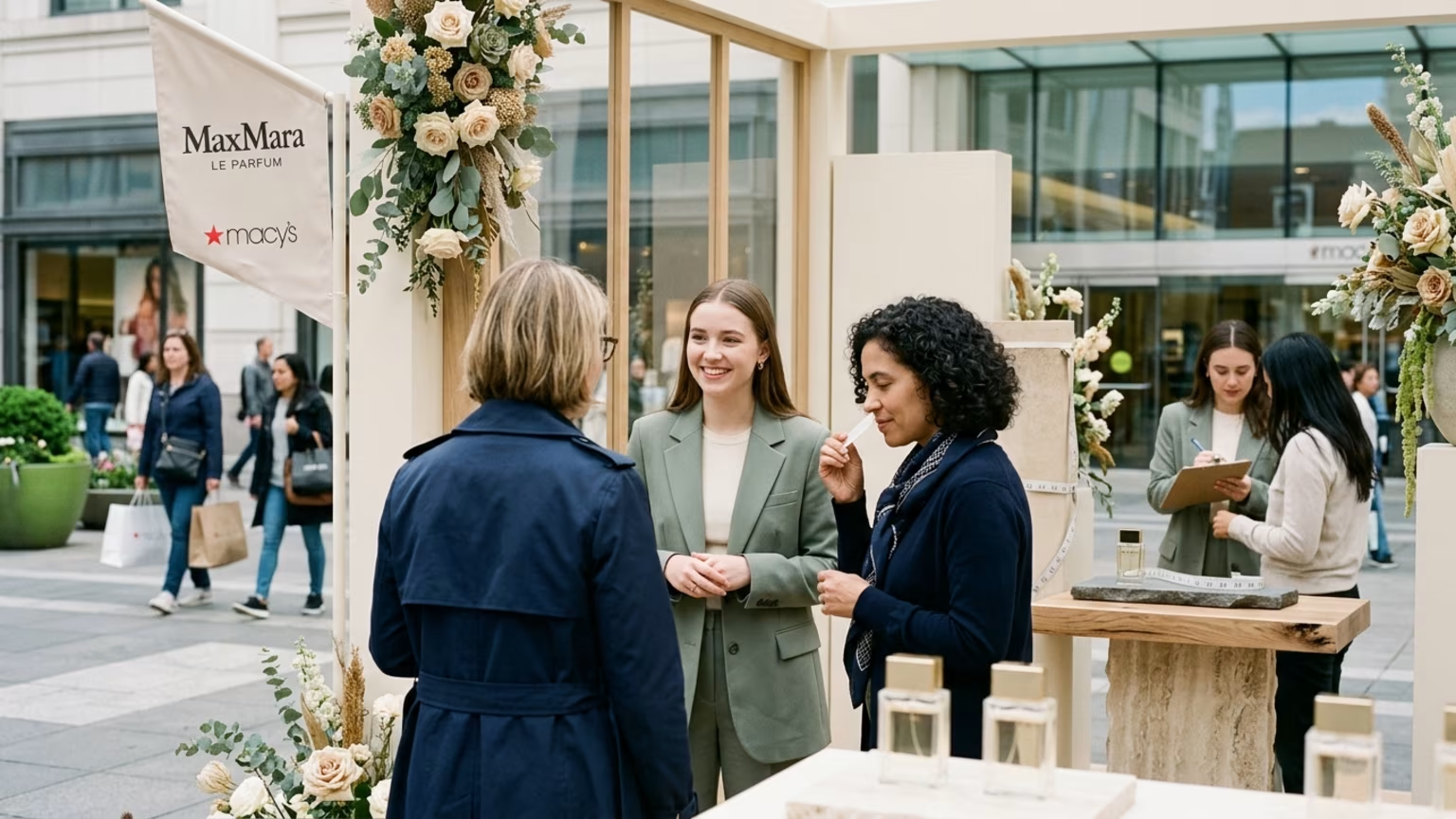
The framework begins by creating an environment that solves an immediate attendee problem. People at trade shows and roadshows are usually tired, thirsty, or dealing with low phone batteries. By offering seating areas or charging stations, you anchor the visitor to your space. Once they stop moving, your trained staff can initiate a natural conversation.
The psychological principle behind this is reciprocity. When you provide a comfortable seat or a phone charge, the attendee feels a subconscious gratitude. This gratitude translates into a willingness to listen to your ambassador pitch. You earn the right to market to them by providing immediate value first.
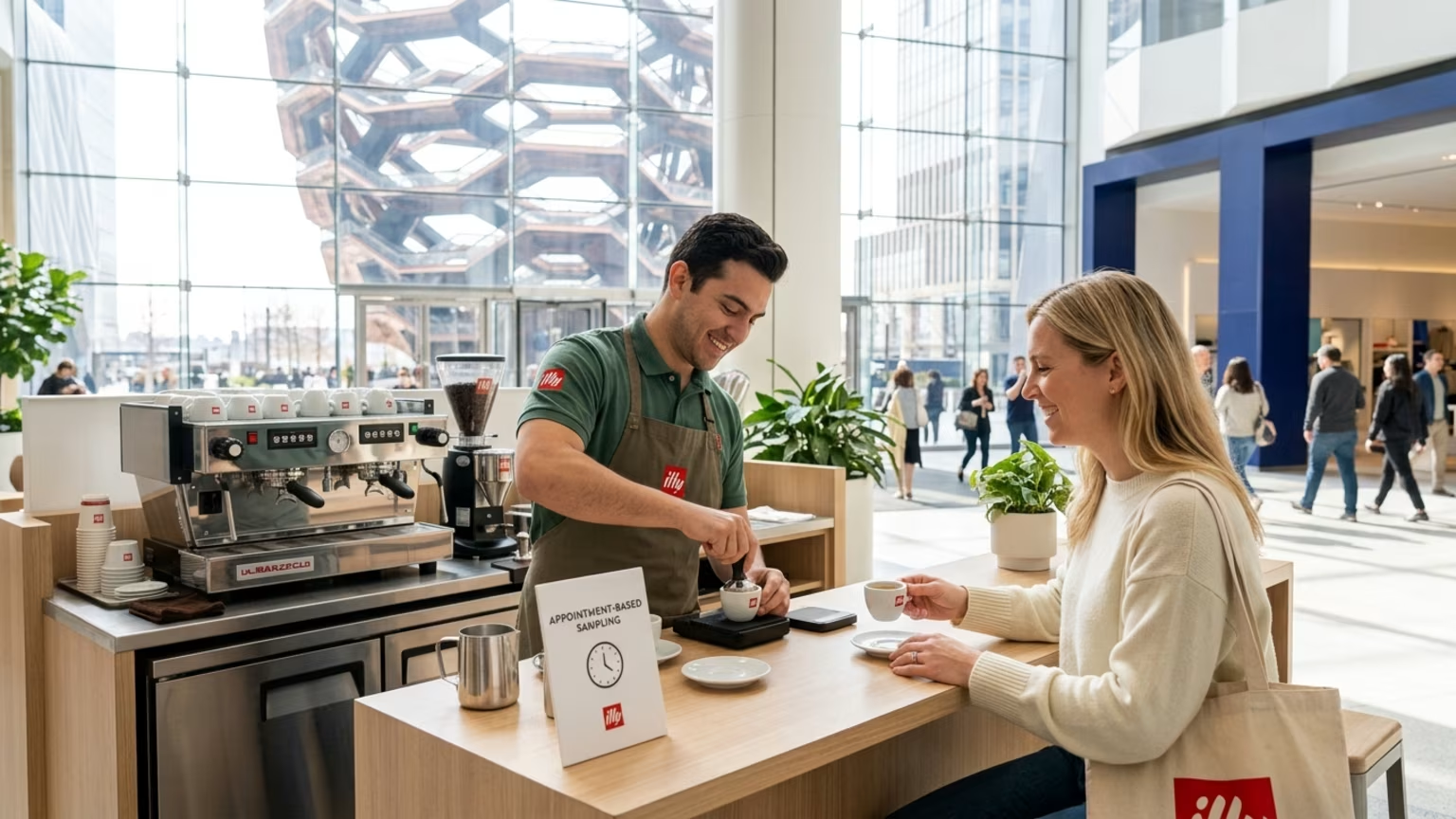
After the attendee is anchored, you introduce low-friction interactive elements to build curiosity. This might involve a simple digital assessment or a tactile product demonstration. Research from industry analysts confirms that interactive fan experiences extend average session lengths significantly. Longer sessions give your team the time required to qualify leads properly.
Our national deployment history validates this exact methodology. We have executed over 1000 campaigns across all 50 states, bringing brands to life in every major U.S. market. From retail demos in Seattle to roadshows in Miami and events in Honolulu, our teams activate brands wherever our clients' audiences are located. This experience proves that structured engagement zones always outperform static product displays.
Applying this strategy in the real world requires precise execution and disciplined event staff. You must build your physical footprint to guide visitors through a specific sequence. This step-by-step playbook outlines the exact requirements for a high-converting activation space.
This execution plan demands rigorous preparation before the truck ever leaves the warehouse. Integrating these steps into your event prep timeline helps maintain consistency across multiple cities. Better planning translates directly to smoother operations and longer average engagement times. Field managers must practice these flows repeatedly.
Measuring the success of an extended dwell time strategy requires looking beyond basic foot traffic counts. You need clear data to show that longer engagement directly causes higher revenue. Marketing operators must track both leading indicators on the floor and lagging indicators at the cash register. Proper measurement removes the guesswork from post-event reporting.
Lead metrics track the immediate behavior of attendees within your mobile footprint. The first metric is Average Dwell Time, measured via computer vision sensors or timed sampling interactions. The second metric is the Engagement Rate, which counts the percentage of visitors who complete an interactive activity. Tracking these numbers provides immediate feedback on your spatial design effectiveness.
Lag metrics tell the true story of financial return and retail success. You must track regional sales lift during the weeks immediately following your roadshow presence. Another primary lag metric is the redemption rate of digital coupons distributed exclusively at the event. These figures prove that your face-to-face interactions successfully influenced buyer behavior.
CRM routing plays a major role in tracking this success. Leads captured during these extended interactions must flow seamlessly into your sales software. Proper tagging allows your team to trace a retail purchase back to a specific roadshow interaction. Closing this loop proves the exact value of your field marketing efforts.
Your field staff must log every interaction diligently. This data forms the baseline for your event performance reviews. Comparing dwell times across different cities reveals regional preferences. You can adjust your activation strategy dynamically based on these geographical insights.
Combining these data points creates a powerful narrative for senior leadership. Brands that measure the correlation between linger time and purchase intent find it easier to justify future budgets. Understanding these figures is central to measuring ROI in experiential activations and securing retailer confidence. Data defends your strategy.
Consider a recent mobile tour for a fast-growing sparkling beverage brand. The company struggled to gain traction at crowded food and beverage expos. Attendees would drink a sample shot and walk away before hearing the brand story. The field marketing team needed a rapid intervention to increase consumer retention.
The team redesigned their 20x20 footprint to prioritize attendee comfort and interaction. They installed a mock cafe seating area with integrated charging ports and shaded umbrellas. Instead of handing out pre-poured cups, staff invited guests to customize their own beverage flavors. This simple interactive element transformed the sampling process into a memorable activity.
The results validated the strategic shift immediately. Average dwell time increased from barely thirty seconds to over four minutes per visitor. This extended window allowed ambassadors to explain the health benefits of the product clearly. The post-event data revealed a massive spike in regional retail sell-through.
By focusing on the consumer experience, the brand secured highly qualified pipeline growth. They proved that creating a comfortable space generates better conversations and stronger conversions. Teams planning high-volume Costco roadshows can use this exact approach to drive massive in-store results. Good design scales effortlessly.
The true value of experiential marketing lies in your ability to hold attention in a distracted world. Redesign your next footprint to include at least one comfortable anchor point. Book a strategy call with our team to map out your next high-converting activation.

30 Years Experiential & Retail Activation Partner for CPG & Beverage Brands | Multi-Market Demos, Roadshows & Costco/Club Programs That Actually Sell