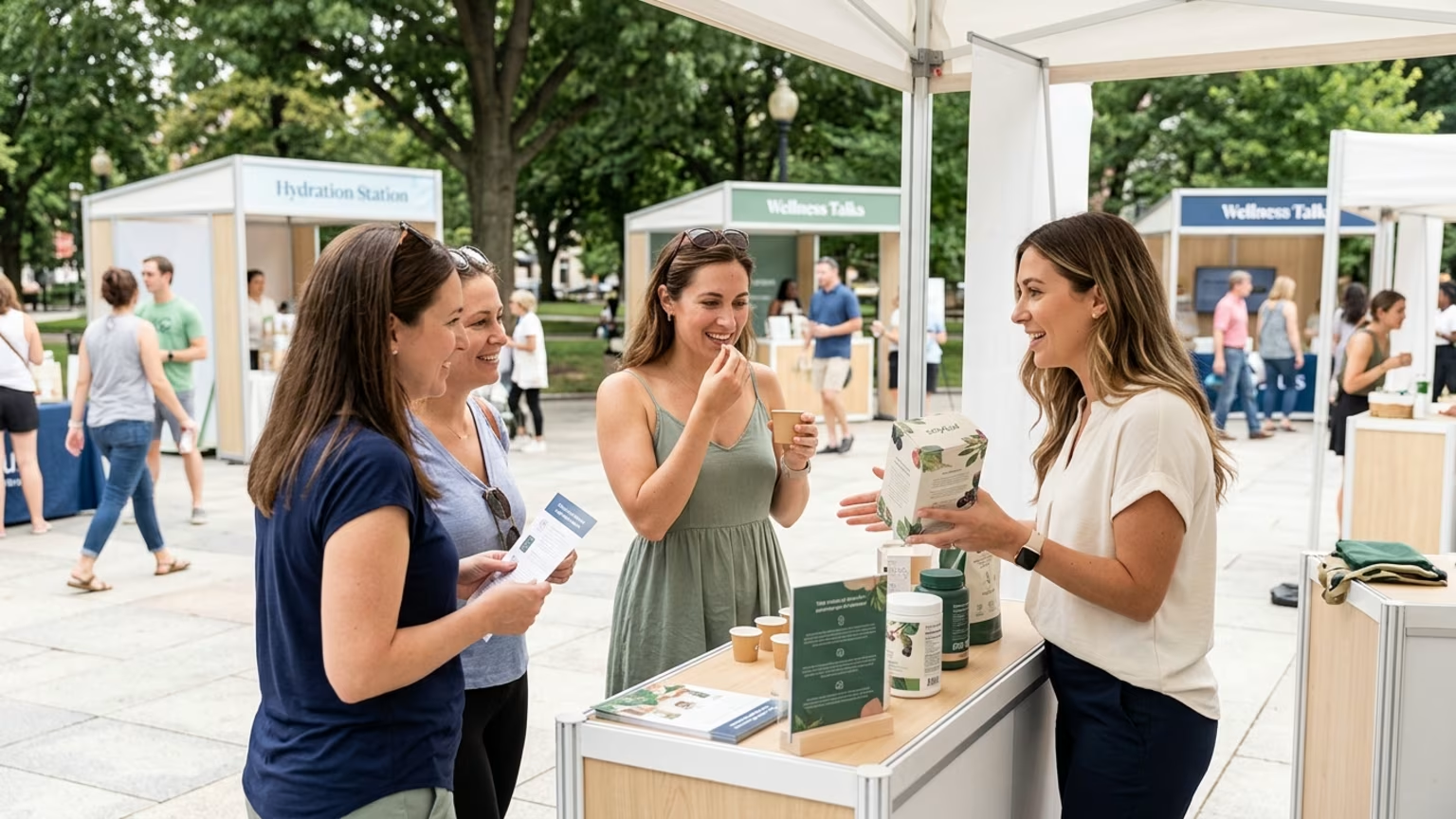
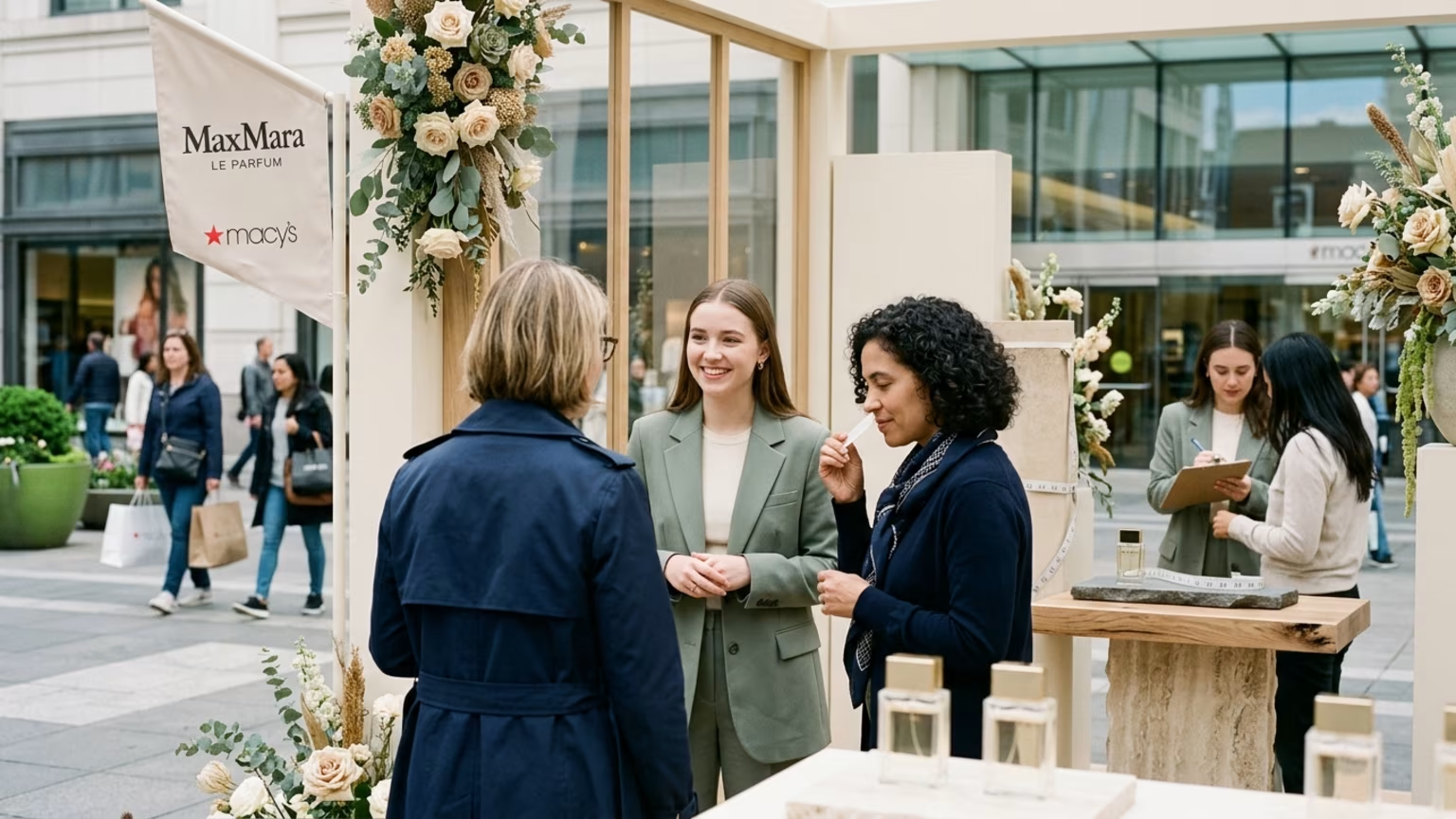
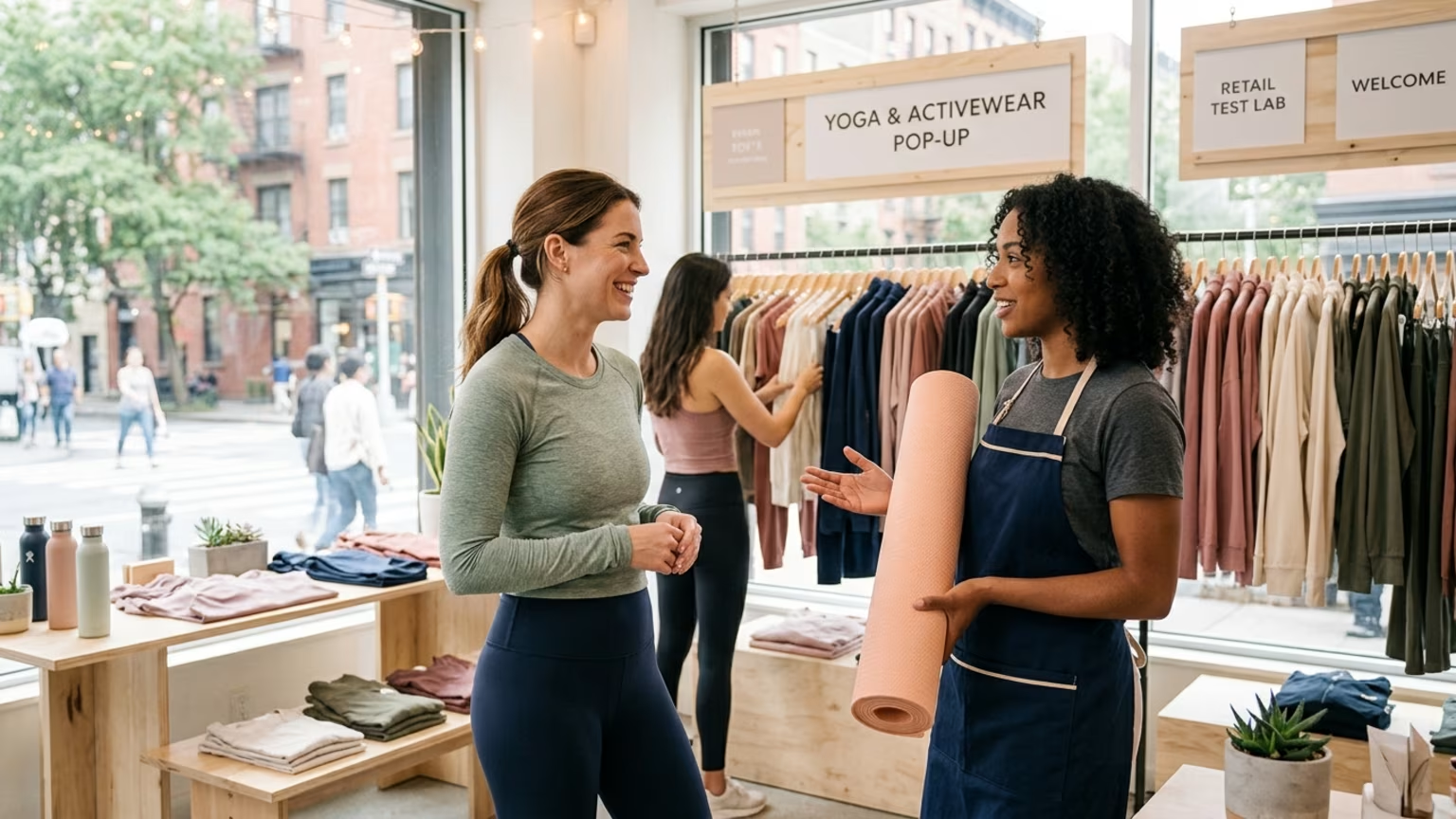
Robbie Thain
Founder, CEO

Combine live product sampling with digital tracking to double conversion rates. Learn how hybrid roadshows turn field marketing into measurable sales pipeline.
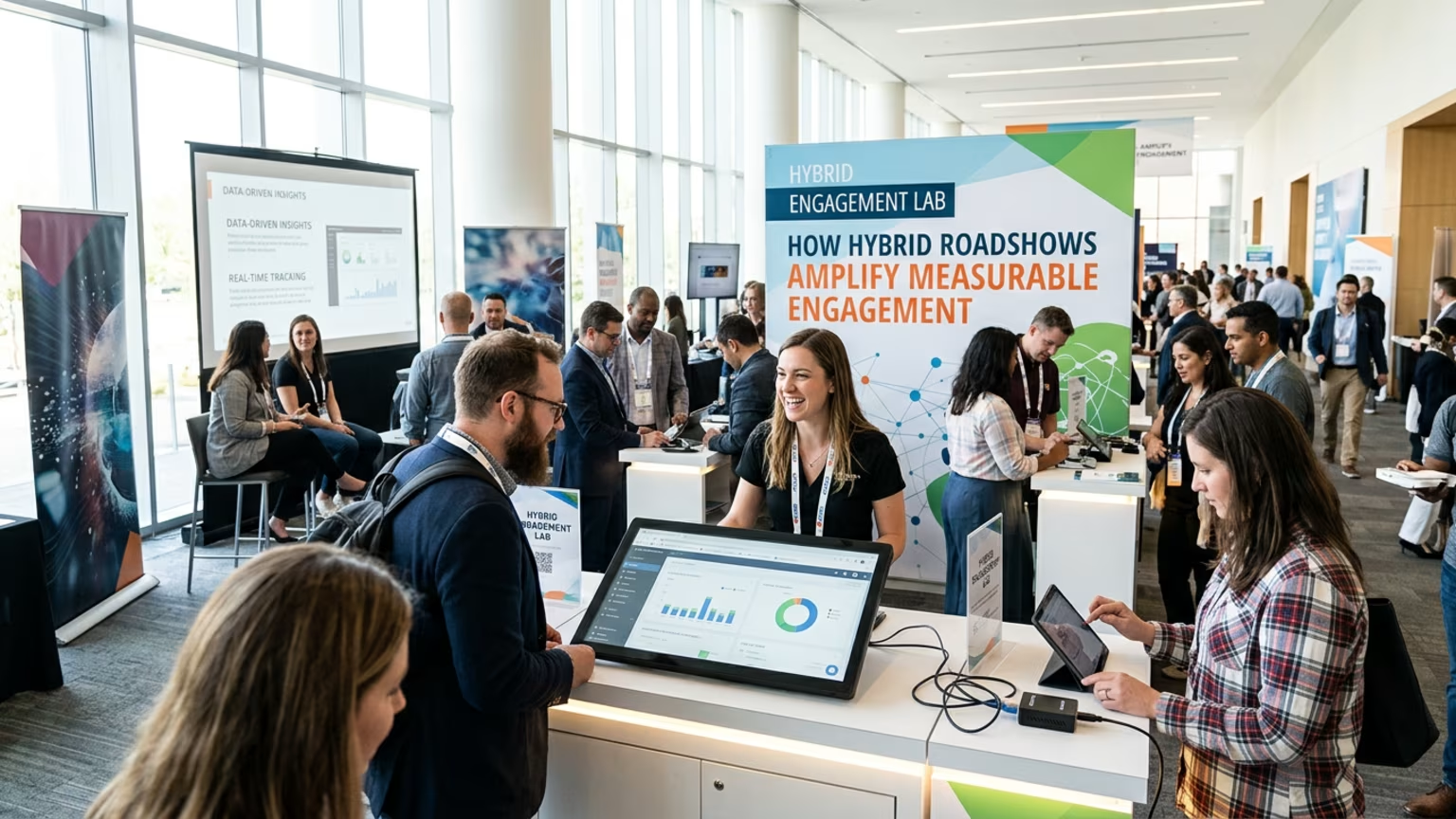
Ninety-three percent of consumer packaged goods buyers make a purchase after attending a live event according to the 2025 Experiential Marketing Impact Report. Hybrid roadshows blend physical product sampling with digital tracking to turn these fleeting interactions into proven sales. Marketing operators use this framework to replace guesswork with concrete revenue data.
Most brand activations start with clean strategy decks and high expectations. The situation changes completely once the booth opens on a crowded expo floor. Brand ambassadors hand out warm product samples to people who just want a free tote bag. Unqualified visitors clog the aisles and block target buyers from reaching the counter.
This chaotic environment produces terrible data for field marketing directors. They see high foot traffic but zero corresponding sales lift in nearby retail locations. The staff might collect a few emails through a disconnected tablet form. The whole activation becomes a beautiful dumpster fire that burns through budget without generating measurable pipeline.
Marketing leaders return to headquarters and struggle to defend their experiential budgets. Executives demand clear Return on Investment (ROI) figures for the quarter. A pile of generic business cards and a few social media mentions cannot justify a massive event spend. The brand needs a system that physically engages consumers and digitally tracks their buying behavior.
The solution involves building a hybrid digital and physical roadshow model. This approach merges hands-on product trial with trackable digital interactions. A consumer tastes a new beverage and immediately scans a code for a localized retail offer. This sequence captures attention in the real world and logs the conversion in your digital ecosystem.
We run experiential and engagement programs coast to coast with local crews, smart logistics, and permit expertise that let us launch fast and maintain quality consistency in every region, from major metros to smaller markets. Our nationwide infrastructure allows us to activate brands wherever their audiences are located. This operational reach means we can test a hybrid concept in one city and rapidly deploy it nationwide. Localizing the digital content for each region boosts relevance and drives higher engagement.
A successful campaign requires absolute discipline in combining these two layers. The physical environment builds trust through human conversation and sensory experience. Neuroscience data indicates that design-led physical experiences form memories in less than one second. Text-heavy digital content takes five times longer to achieve the same cognitive recognition.
You capture this rapid memory formation and monetize it through immediate digital prompts. The event acts as the initial catalyst for a longer relationship. Brands that rely on hybrid retail demos see higher trial completion rates. The physical taste creates the desire, and the digital tool provides the purchasing mechanism.
Marketing leaders face resistance regarding the higher upfront costs of hybrid models. Advanced audiovisual technology and augmented reality development require heavier initial investments. Event managers offset these costs by generating significantly higher quality leads that convert at faster rates. Consumers expect an interactive layer when they interact with modern brands.
Providing a static physical booth feels outdated and lowers brand perception. You bridge this gap by adding gamified elements to the sampling process. A quick digital trivia game about the product ingredients keeps the consumer engaged. This combined sensory approach locks the brand into the memory of the target buyer.
Planning a nationwide sampling tour requires military precision and deep retail alignment. You must sequence every touchpoint to pull the consumer toward a buying decision. Our teams follow a strict operational protocol for every activation. We map the entire user flow before loading the first truck.
Vague engagement metrics will not satisfy a chief financial officer. You must define exact lead and lag indicators before the activation begins. Lead metrics measure the immediate traction of your live event. Lag metrics confirm the financial result weeks after the activation ends.
Focus your daily reporting on clear lead metrics. Track total foot traffic and calculate the percentage of visitors who accept a product sample. Monitor total code scans to measure digital transition rates. Count the number of user-generated content posts to quantify external social amplification.
Transition your focus to lag metrics once the event concludes. The primary indicator is the post-event purchase conversion rate among tracked attendees. Secondary indicators include regional retail sell-through velocities and sustained digital platform engagement. Snapbar research confirms that hybrid roadshows frequently double these conversion rates compared to standard sampling events.
Teams that monitor these roadshow sales metrics can adapt their pitches in real time. Poor conversion on day one means the brand ambassadors need immediate retraining. Good data forces accountability across the entire field marketing team. Measurement removes opinion from the performance evaluation process.
Executive teams respect marketing operators who present clear numbers instead of vague event photos. You build internal trust when you can point to a specific sales increase in a targeted retail territory. This data-backed approach transforms experiential marketing from an optional luxury into a mandatory revenue channel.
Corporate event budgets are shifting rapidly toward these trackable physical formats. Major consumer brands now demand evidence of direct sales impact from their field agencies. A Red Bull winter activation combined live sports entertainment with aggressive product sampling. This integrated approach produced a documented twenty-five percent increase in specific product sales.
The automotive industry uses similar tactics to process high-value consumer targets. A recent BMW campaign used augmented reality headsets to let users configure vehicles digitally. Participants then transitioned directly into physical test drives with their customized models. This blend of virtual planning and physical reality generated a forty-five percent increase in qualified leads.
Beverage and snack brands achieve similar lifts by linking physical taste tests to digital loyalty programs. OpenReach industry data shows that these integrated in-store sampling events outperform standard digital advertisements by a massive margin. Real people interacting with physical products simply generate higher trust levels.
This format prevents budget waste by filtering out consumers who only want free items. The digital barrier blocks unengaged prospects from entering the long-term sales funnel. Quality interactions consistently build stronger retail partnerships than massive crowds of unqualified visitors. Shopper marketing directors use this precise data to negotiate better shelf placement with major retailers.
Massive single-day events generate quick spikes in attention that fade by the next morning. True market penetration requires sustained operational discipline across multiple retail territories. A well-oiled roadshow operates like a machine that predictably turns curious crowds into documented buyers. The best campaigns feel completely spontaneous to the consumer but function like rigid assembly lines behind the scenes.
Brands thrive when their marketing investments produce undeniable mathematical proof. A physical smile and a warm handshake begin the relationship. The captured data point finishes the transaction. True engagement always leaves a permanent mark on the balance sheet.

30 Years Experiential & Retail Activation Partner for CPG & Beverage Brands | Multi-Market Demos, Roadshows & Costco/Club Programs That Actually Sell