Robbie Thain
Founder, CEO

A practical guide for CPG and beverage teams on the real difference between field marketing and experiential marketing, where they overlap, and how to build one plan that uses both to drive trials, sales, and pipeline.
.avif)
Quick answer: Field marketing focuses on store level and local tactics that move product right now. Experiential marketing focuses on live brand experiences that build memory, content, and stories. The strongest CPG and beverage plans use both. Field keeps the shelf moving, experiential builds demand and proof that you can show to buyers and leaders.
Many teams use the terms field, trade, and experiential as if they mean the same thing. That usually leads to confusion, fuzzy briefs, and programs that try to do everything at once. In practice they serve slightly different jobs.
Field marketing lives close to stores, reps, and local sales calls. It cares deeply about displays, unit lift, coupons, and weekly numbers. Experiential marketing lives closer to brand, creative, and media. It cares about how the brand feels, who shows up, and what they share.
Makai sits in the middle of that overlap. Work on retail demos, club roadshows, mobile tours, and pop ups connects to both sides, and that is why clear language helps. When everyone agrees on what each stream owns, programs become easier to scope and report. For a deeper explainer on the experiential side, see What is engagement marketing. Clear examples and formats that work.
Field marketing cares about what happens in and around the store this week. It connects sales, trade, and local tactics into one map. Typical field tasks look like this.
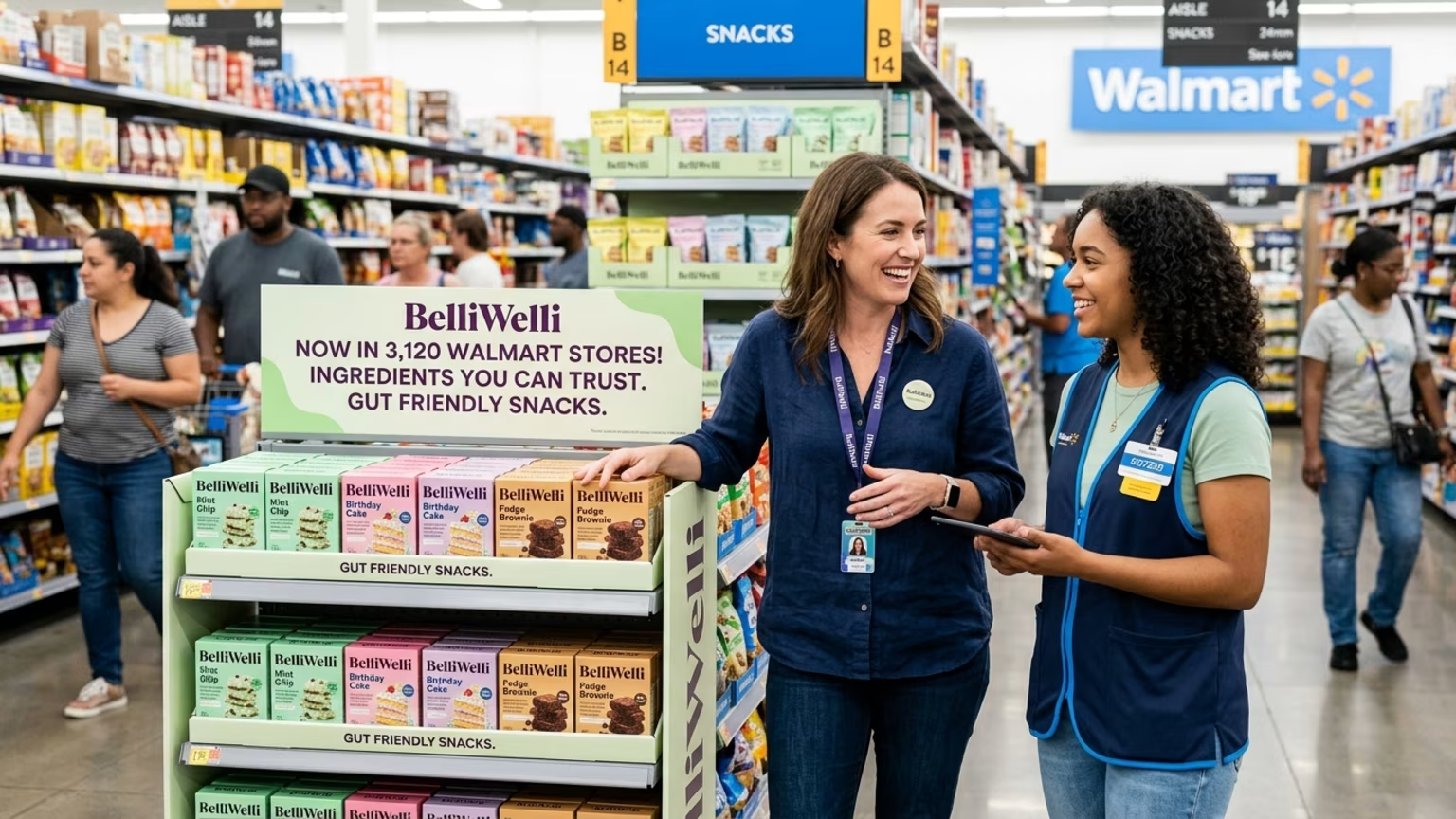
Many of the programs Makai runs count as field tools. Retail demonstrations, Costco roadshows, and tight local events all play directly into velocity and sell in. The goal is clear and simple. Move more units in focus stores while keeping buyers happy.
Experiential marketing is about how the brand shows up in real life beyond the shelf. Instead of only thinking about a single shopper at a single shelf, it sees live experiences as media, content, and long term memory.
Common experiential work includes:
These programs are covered in Engagement marketing and in posts like Brand activations. How to plan pop ups people actually visit and Event permits and logistics. City by city checklist for smooth activations. The focus is less on one weekly lift report and more on reach, depth of experience, and quality of stories.
Most real programs sit in the middle. A retail demo is clearly field work, yet it is still a live brand experience. A mobile tour is clearly experiential, yet it can drive real store lift when planned around key accounts. Trying to draw a hard line rarely helps. A better way is to ask four simple questions.
When your answers lean toward one side, treat that side as the lead and let the other support. That way field can drive store level results while experiential still shapes the way everything looks and feels.
If you want your field plan to feel more complete, start with a short list of tools that have already proven useful for other CPG teams.
Retail demonstrations are the classic field play. They turn shoppers into tasters, then buyers. To get the most from them, build a clear brief and repeatable setup. For a full walkthrough, see Retail demonstrations. How to turn tasting into sales lift.
For brands that play in club, roadshows are a core tool. They connect strongly to both field and experiential since the energy is high and volume is large. Makai covers the details in Costco roadshows. Guide to planning sampling at scale and supports these programs through Costco roadshows.
Field teams often manage small local events such as races, fairs, or store openings. These moments sit right on the edge of experiential work. They help sales keep retailers happy, and they give brand teams photos and stories. The key is a simple kit that can travel and a crew that knows how to use it.
Experiential work does not sit in a separate universe. When done well, it feeds field and trade with proof, stories, and extra demand.
A mobile tour can link key cities and anchor stores into one story. It gives brand and sales something concrete to show buyers, and it generates content for paid and organic social. You can read more in Mobile sampling tours. Route planning and permits made simple and on the service page for mobile sampling tours.
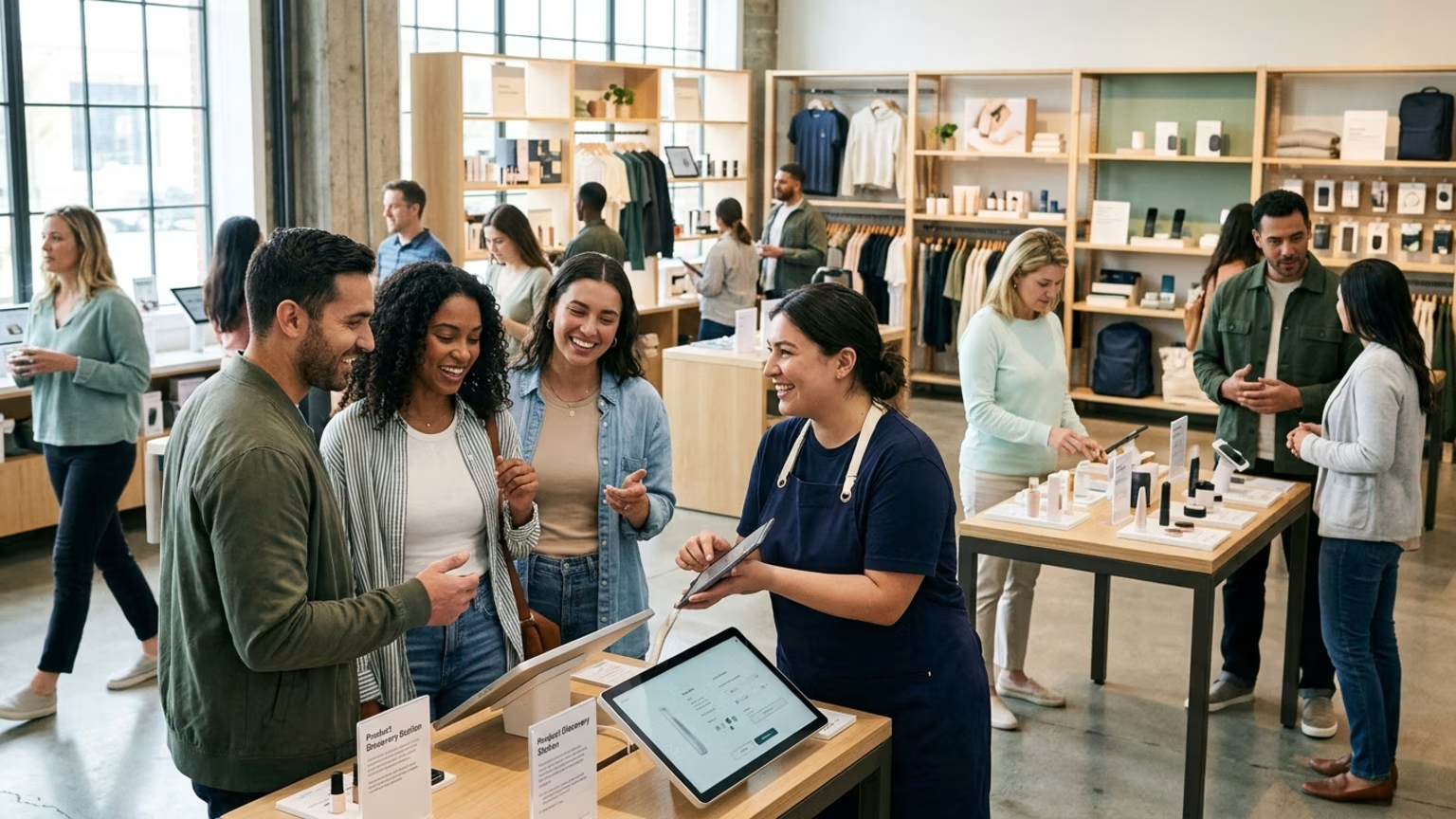
Pop ups give your brand room to breathe. People can taste, ask questions, and spend more than a few seconds with the product. These events work even better when they tie back to nearby stores or a clear finder. The playbook lives in Brand activations. How to plan pop ups people actually visit.
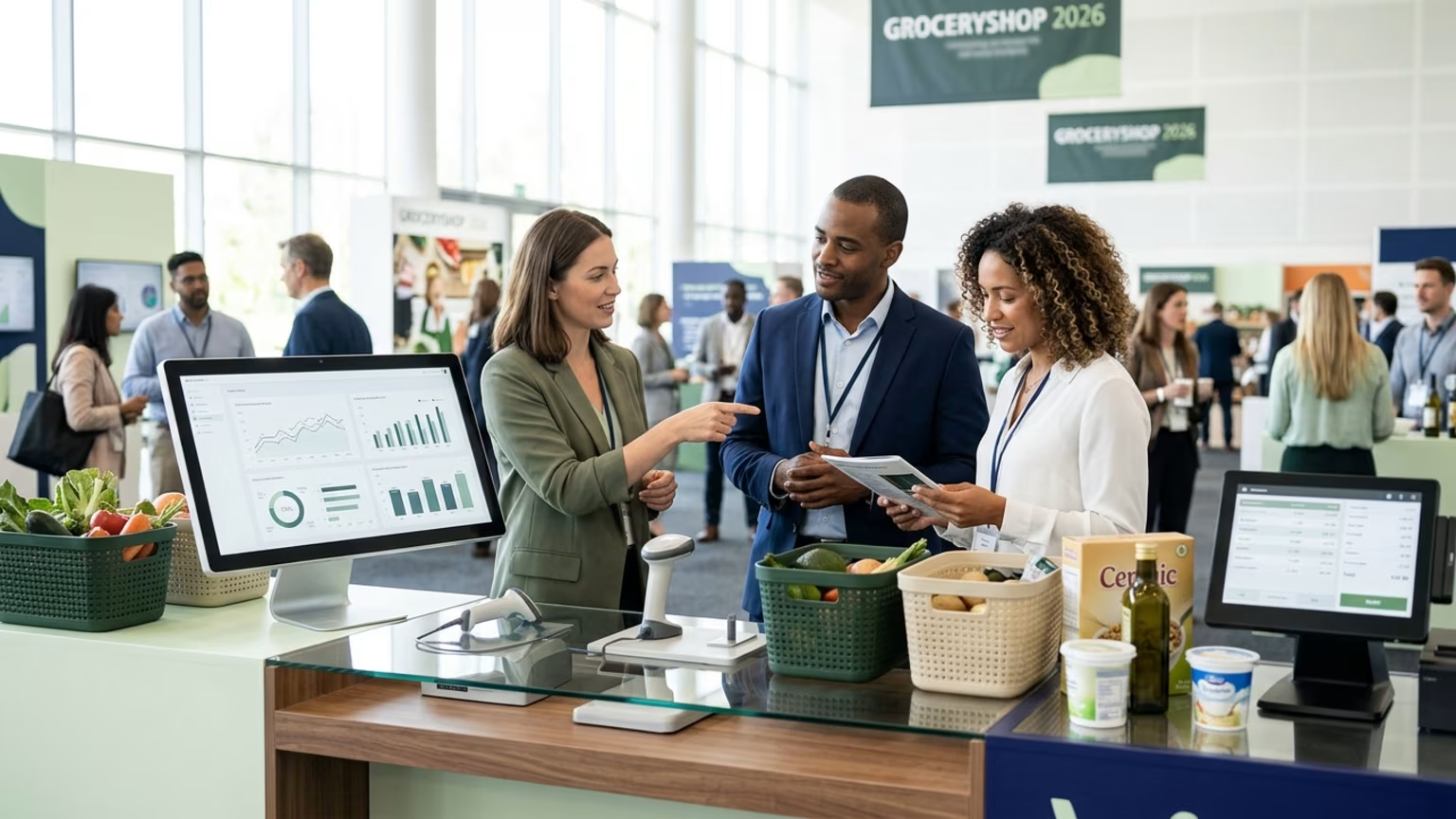
Trade shows sit in the middle of sales, field, and experiential. A booth is both an experience and a sales tool. Posts like Trade show activations at Expo West. A guide to stand out and book real meetings and Trade show strategy. How to book real meetings and pipeline walk through that side of the mix.
Once the difference is clear, the next step is to put field and experiential into one shared calendar. A simple sequence often works better than a long complex map.
For example, you might run a series of retail demonstrations around a new flavor launch, then support your top cities with a small mobile tour or pop up that drives even more traffic to those same stores. Reporting then shows both lift and reach instead of two separate stories.
Frustration often appears when no one knows whose budget pays for which line. A clear split tends to look like this.
You do not need a complex RACI chart. A short note at the top of each brief that says who signs off on success is usually enough.
Field reports often lean on units, traffic, and lift. Experiential reports lean on reach, engagement, and sentiment. You can bring those worlds closer with a shared base and a few extra rows.
The full framework for this lives in Experiential marketing reporting. How to measure ROI with clean data. Once everyone sees the same structure, it is easier to compare programs across both streams.
Buyers care about what helps their stores and categories. They rarely care whether you call something field or experiential. They care whether your plan brings people in, moves units, and keeps operations smooth.
When you share a plan with a buyer, keep the language simple.
Case studies such as Popchips, Pulmuone, and Little Debbie Share a Smile Tour can give your team simple examples of how programs looked in real stores and cities.
Most of these problems are avoidable when you start with one shared goal, one shared map, and a clear sense of who owns what.
If your field plan and experiential plan live in different folders, this is a good time to pull them into one view. Start with your key markets and retailers, then decide which parts of the mix are field heavy and which are experiential heavy. Use guides such as CPG sampling strategy. How to choose between retail demos, roadshows, and tours to pick formats that match each goal.
When you are ready to turn the mix into clean routes, store lists, and daily reports, visit Where we work for coverage, look over the service pages for engagement marketing and retail demonstrations, then request a proposal or contact us. One plan that serves both field and experiential goals is closer than it looks.

30 Years Experiential & Retail Activation Partner for CPG & Beverage Brands | Multi-Market Demos, Roadshows & Costco/Club Programs That Actually Sell