Robbie Thain
Founder, CEO

Transform your trade show space into a measurable learning environment. Learn how optimized exhibit design drives qualified pipeline for premium brands.
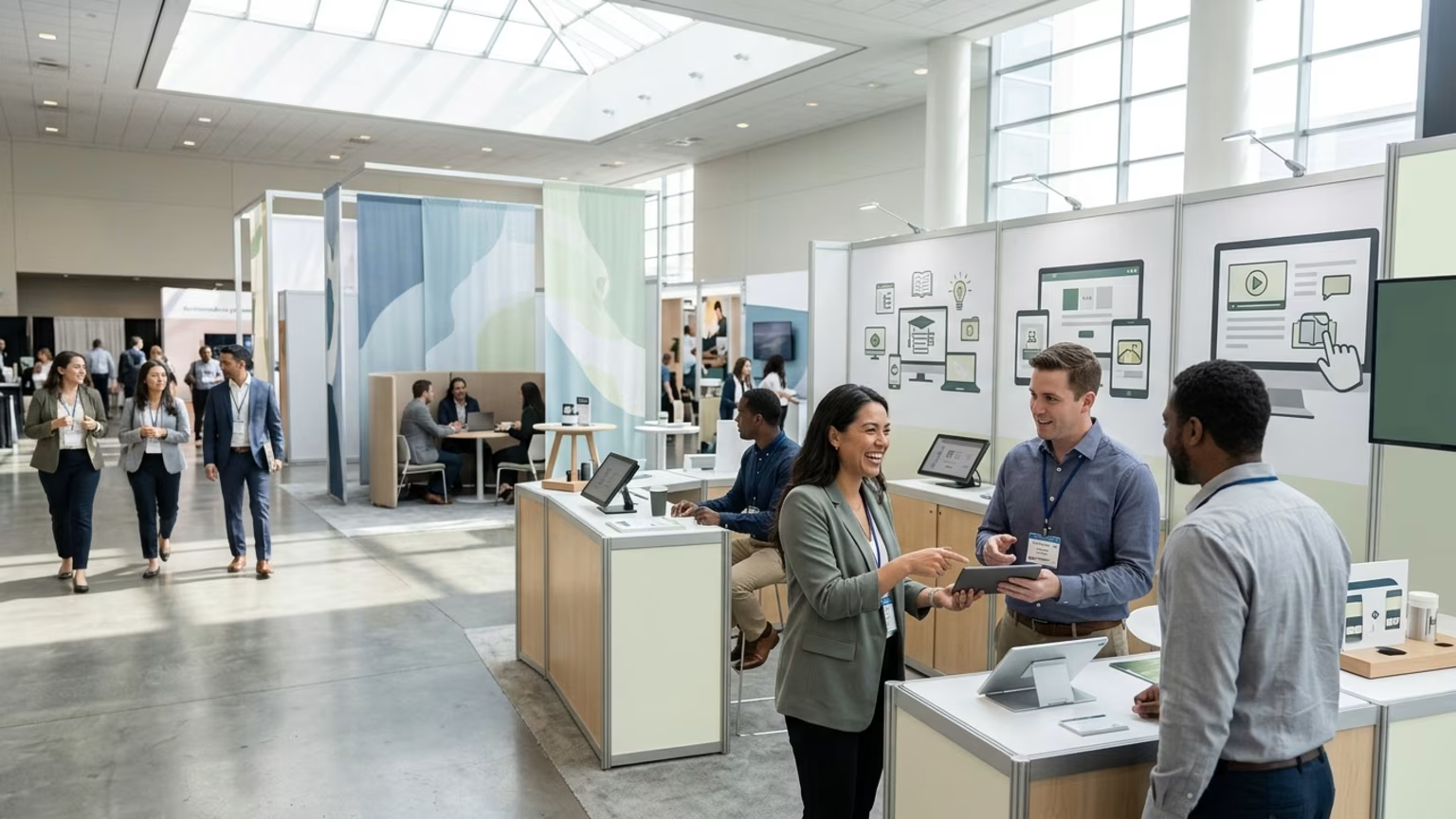
The physical architecture of industry events is undergoing a fundamental transformation. For decades, organizers treated the main stage as the sole venue for serious education. Meanwhile, the exhibition floor functioned purely as a transactional marketplace for vendors. On August 4, 2026, industry analysis reported by Event Marketer highlighted a massive shift in this dynamic.
A recent Freeman report revealed that trade show attendees now view the entire event environment differently. These professionals want to spend 64% of their learning time outside traditional session rooms. This metric forces brands to rethink how they occupy physical space at national conferences. The floor is no longer just a place to scan badges and hand out flyers.
Buyers are tired of passive presentations and scripted sales pitches. According to the Freeman research, 76% of attendees expect unstructured learning formats to help them evaluate new products. Among commerce focused attendees, that expectation jumps to 88%. This data proves that independent product evaluation is the primary driver of floor traffic.
Attendees specifically value peer conversations, exhibitor interactions, and hands on product demonstrations. They rate networking and direct engagement as slightly more valuable than formal conference sessions. Furthermore, two-thirds of emerging generation attendees want more learning opportunities outside traditional enclosed conference rooms. This specific trend reinforces the need for highly interactive physical environments.
Interestingly, attendees remain highly receptive to direct commercial education. The report notes that 84% of attendees view clearly disclosed sponsored sessions in a neutral or positive light. Topic relevance matters significantly more than the sponsor’s identity when the commercial relationship remains transparent. The era of the static branded billboard is officially over.
For premium beverage and food brands, this data demands a strict operational reset. A beautiful booth cannot compensate for a confusing and poorly planned layout. A Brand Manager in the CPG space shared: "Makai transformed our test-drive activation into an emotional brand journey. They connected technology, lifestyle, and experience seamlessly, and turned casual visitors into loyal fans."
We successfully integrated multiple experience layers to convert casual participants into committed brand advocates. Every square foot of an activation must serve a specific and measurable conversion goal. Interactive elements capture attention, but they must connect directly to a core product reality. The objective is productive use of space rather than maximum physical density.
Instead of beginning with a booth footprint, field teams must map out attendee behaviors. A successful floor plan helps a visitor quickly answer what a product is and why it matters. It must also clarify exactly what the attendee can do with the product immediately. Brands that deploy intentional experiential marketing strategies consistently capture better lead data.
We approach exhibit design as a deliberate sequence of visitor jobs. First, the brand must make its value proposition visible from the aisle to earn a glance. Next, the environment must provide an obvious and low friction invitation to enter. Once inside, the physical setup must explain the product through a guided interaction.
This structured approach prevents audiences from wandering aimlessly through an expensive footprint. After the initial trial phase, the space must accommodate immediate questions with highly trained experts. The interaction must culminate in a clear next step like booking a meeting or requesting a sample. Providing attendees with a highly useful takeaway replaces the need for generic promotional items.
This behavioral shift drastically alters how field marketing managers plan floor layouts. A single undifferentiated booth is no longer enough to handle varying levels of attendee intent. High performing layouts now require distinct zones for demonstrations, deep conversations, and rapid data capture. Implementing modular components allows teams to adjust these ratios as specific traffic patterns become clear.
Effective layouts utilize dedicated zones to process attendees efficiently. A high visibility edge zone provides rapid brand recognition from the main exhibition aisle. Moving inward, a demonstration zone hosts the core product experience and primary education elements. A dedicated conversation zone gives serious buyers a quiet place for highly productive discussions.
The demand for tactical learning also changes how we train field staff. Freeman reports that hands on trials and demonstrations rate as the preferred show floor learning format at 75%. Direct access to subject matter experts follows closely at 66%. Staff must be trained to ask diagnostic questions and facilitate trials instead of reciting generic pitches.
To execute this effectively, the staffing model must perfectly match the experience design. Brand ambassadors should be equipped to handle objections and recognize immediate buying signals. They must also capture useful first party information during natural conversational pauses. When an interaction reveals high intent, the staff member must route that visitor to a specialist seamlessly.
Structured brand activation services turn casual browsing into measurable commercial demand. Exhibit design commentary highlights more intentional spaces rather than visual spectacle alone. One emerging practice is the live research booth where brands test ideas and gather feedback collaboratively. Reviewing recent experiential marketing case studies proves that strategic zoning fundamentally improves lead quality.
Putting education in the natural circulation path maximizes engagement without disrupting flow. Learning should happen at booth edges, along natural aisle flows, and near product testing counters. The primary objective is to turn waiting and transition time into highly useful brand contact. Running these campaigns across multiple regions requires precise nationwide experiential marketing logistics.
Measuring these outcomes requires defining Return on Investment metrics long before fabrication begins. Relying solely on foot traffic or dwell time creates a false sense of operational success. A credible measurement design connects every physical interaction to a downstream commercial action. Recommended approaches include unique offers, trackable codes, and CRM integrated lead capture systems.
Experiential programs often lose their value immediately after the show concludes. This happens because leads, feedback, and product interest signals are not routed quickly to sales. Field managers must define clear lead categories and ownership guidelines for the broader organization. Establishing strict follow up service levels means that no qualified prospect goes ignored.
A comprehensive post event operating plan protects the initial marketing investment. It outlines required CRM fields, exact consent language, and the precise retail handoff process. The exhibit floor should generate contacts while also revealing which messages prompted direct action. Analyzing which demonstrations produced the strongest intent informs the strategy for the next activation.
Ken Holsinger, the senior vice president of strategy at Freeman, summarized this new reality perfectly. He stated that learning does not begin when attendees sit down in a formal session. Furthermore, he noted that learning does not end when they walk out of one. This perspective validates the critical need to treat expo floors as primary learning channels.
Field teams must replace vague engagement metrics with strict reporting layers driven by first party insights. Success requires tracking demonstration starts, completed product trials, and CRM linked revenue. Before the next major expo, ask yourself if your footprint actually captures qualified pipeline or just random badge scans. The most effective spaces ultimately speak for themselves.
Transitioning an exhibit space from a passive display into a high performing learning environment requires precise spatial planning, which is where Makai takes over execution. Makai solves the problem of low quality leads from crowded trade shows by deploying our Guerilla Marketing capability. We launch creative, street level ideas that surprise, delight, and generate authentic word of mouth.

30 Years Experiential & Retail Activation Partner for CPG & Beverage Brands | Multi-Market Demos, Roadshows & Costco/Club Programs That Actually Sell