Robbie Thain
Founder, CEO

Discover how structured grocery sampling programs and guided retail demos drive immediate category trial, increase basket size, and generate measurable sales.

Structured tasting programs turn passive shoppers into active buyers by combining timed execution with precise culinary guidance. Food and beverage brands can study successful regional grocers to master the mechanics of profitable in-store trial events.
A brand ambassador stands alone at a folding table near the crowded dairy aisle. Shoppers avoid eye contact and push their carts faster to escape an awkward interaction. Small plastic cups of lukewarm liquid sit untouched under harsh fluorescent lights. Unstructured sampling initiatives burn budgets with zero measurable impact.
In our experience, many consumer goods companies treat retail demos as an afterthought. They ship boxes of product to a store, hire untrained temporary staff, and hope for the best. The result is a chaotic floor presence that confuses shoppers and frustrates store managers. Store leaders want activations that add value to the shopping trip.
CPG marketing leaders feel constant pressure to prove that physical activations create actual sales lift. Without clear structure, isolated tasting stations fail to connect with the target audience. The brand spends thousands on staffing and product giveaways. The resulting sales data shows a flatline that disappoints everyone involved.
Inconsistent staffing represents another major point of failure for expanding brands. A highly motivated ambassador might generate massive sales lift in a Chicago store on a Friday. The very next day, a disengaged temp worker might abandon a Dallas station entirely. This lack of reliability damages the relationship between the CPG brand and the retail buyer.
Many programs fail simply from a lack of environmental awareness. A vendor might try to sample hot soup during a summer heatwave. A snack company might place their table in a narrow bottleneck aisle. These logistical missteps create friction that ruins the consumer experience.
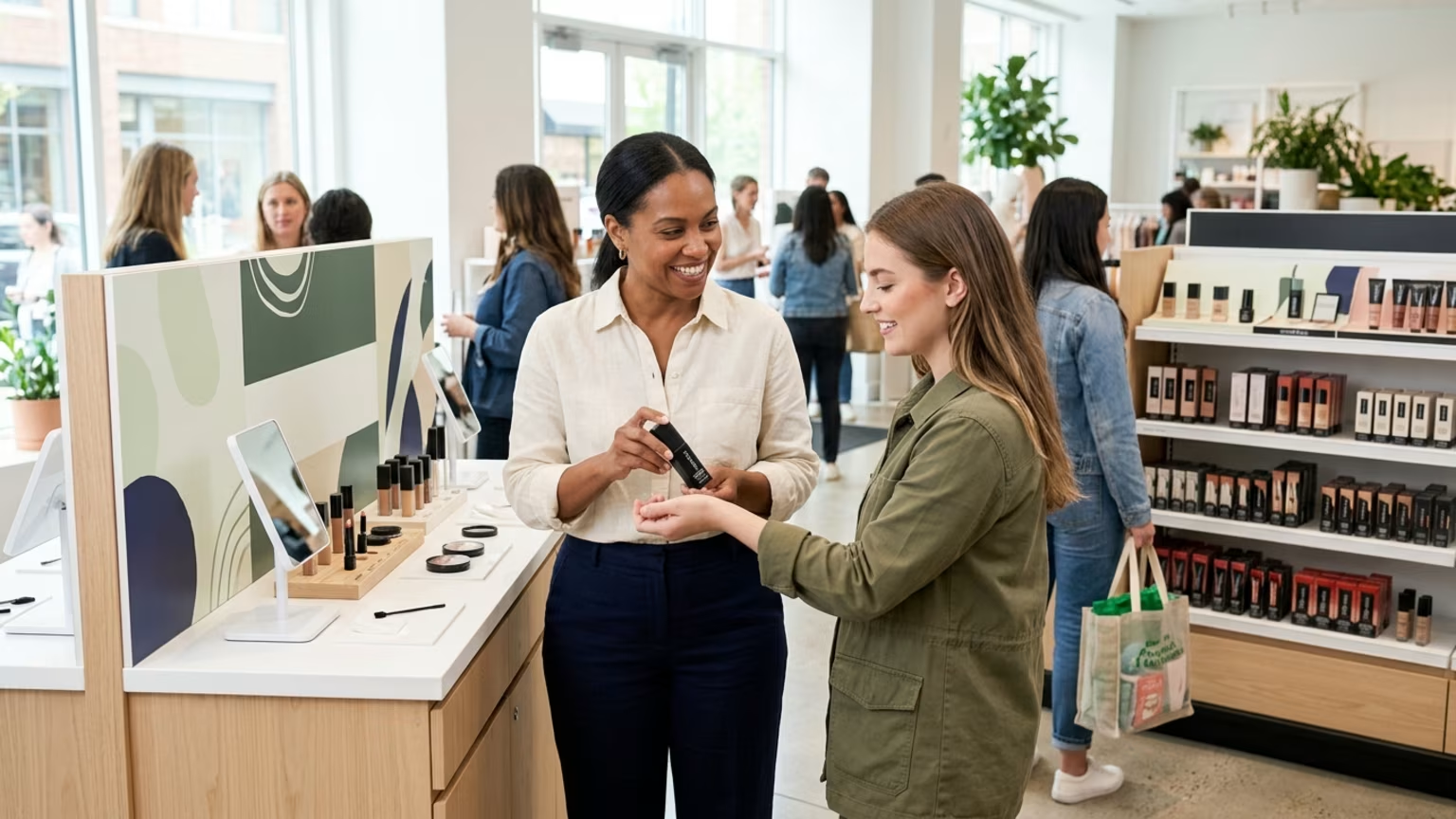
We specialize in creating retail demos, product sampling programs, and roadshows that bring brands face to face with their audiences. Each program is designed to drive trial, build consumer relationships, and accelerate retail velocity across multiple locations. We rely on structured sampling blocks to replace random floor interactions with destination events. This methodology aligns product presentations with distinct consumer shopping patterns.
Instead of offering endless free samples throughout the day, the smartest operators run condensed tasting windows. Store managers appreciate predictable schedules that draw foot traffic toward high margin categories. Shoppers receive immediate meal inspiration, which prompts them to purchase complementary items across different aisles. This disciplined framework demands close coordination between field marketing teams and retail partners.
A strategic approach requires brands to view the retail floor as a controlled stage. Every element of the presentation must serve a specific conversion goal. The tablecloth, the signage, and the ambassador script must all point toward the product on the shelf. Leaving these details to chance guarantees a poor performance.
Brands that focus on converting passive samples into immediate purchases see significant lifts in regional sales data. A polished activation communicates brand authority and quality. Consumers intuitively trust products that are presented with professional care. This trust bridges the gap between a free taste and a paid purchase.
Heinen’s Pepper Pike in Ohio provides a perfect example of this structured methodology. According to local store updates, the grocer scheduled guided in-store tastings during peak weekend hours. The team executed seafood and wine sampling events on June 26. They followed this with a fan favorite activation featuring handmade gourmet burgers on brioche buns on June 27.
By organizing these events around clear culinary themes, Heinen’s creates distinct shopping destinations within the store. Shoppers do not just encounter a random snack on an endcap. They walk into a curated experience that pairs fresh proteins with premium baked goods. This strategic grouping maximizes basket size and creates a measurable Return on Investment for vendors.
Heinen’s understands that modern consumers crave meal solutions rather than isolated ingredients. A shopper tasting a gourmet burger is highly likely to purchase the specific brioche buns used in the demo. They will likely grab the featured condiments and side dishes displayed on the same table. This cross merchandising tactic multiplies the financial impact of a single product sample.
The success in Pepper Pike demonstrates the power of creating a multi-sensory environment. The smell of gourmet burgers cooking on a hot grill instantly captures consumer attention. The visual appeal of a well organized seafood and wine spread invites immediate curiosity. Engaging multiple senses creates a stronger memory anchor than a standard shelf display.
National brands can replicate this success by adopting a highly localized mindset. Field teams must tailor their recipes and pitches to match regional tastes. What works in an Ohio grocery store might fail completely in a California market. Adapting to local preferences proves that the brand understands its audience.
Transforming a chaotic floor into a profitable tasting zone requires operator grade discipline. Field marketing teams must abandon disjointed scheduling and adopt a rigorous operational playbook. Relying on hope is not a valid strategy for experiential marketing. You can build a highly effective grocery trial engine by following several non-negotiable steps.
Applying these steps builds trust with retail buyers and keeps your activation on track. Careful planning eliminates the messy logistics that plague amateur field teams. For teams handling complex liquid products, running successful drink activations requires stricter temperature controls. Every detail matters when you are asking a stranger to taste your product.
Experiential marketing must generate hard data to justify the ongoing expense. Marketing directors need concrete numbers to defend their budgets and secure future retail space. You cannot measure a live event simply by counting the number of empty cups. Brands need a distinct set of lead and lag indicators to calculate true impact.
Lead metrics provide immediate feedback during the actual activation window. Field managers should track total interactions and the number of samples distributed per hour. Teams must monitor the immediate conversion rate by counting shopper cart placements. These real-time data points allow managers to adjust messaging levels on the fly.
Tracking sample to purchase ratios reveals the immediate effectiveness of the brand ambassador. If an ambassador hands out one hundred samples but generates zero sales, the pitch needs immediate correction. High engagement without conversion indicates a disconnect in the pricing or the product presentation. Correcting these issues mid-event saves the activation from total failure.
Lag metrics reveal the long-term financial health of the retail partnership. Tracking retail activation metrics requires analyzing point of sale data thirty days after the initial event. Teams must measure sustained sales lift and repeat purchase rates within that specific retailer. Measuring these figures turns a fleeting consumer interaction into a permanent revenue stream.
A successful program creates a halo effect that boosts overall brand awareness in the region. When shoppers take the product home and enjoy it, they recommend it to friends. This organic word of mouth marketing accelerates velocity far beyond the initial demo day. Strong lag metrics prove that the field budget is an investment rather than a sunken cost.
Scaling a tasting program across hundreds of stores introduces massive logistical hurdles. Managing inventory, staffing, and routing requires a dedicated operations team. Trying to run a national campaign with internal staff often overwhelms the core marketing department. Partnering with seasoned field experts removes the administrative burden.
A dedicated agency handles the complex permitting requirements for in-store cooking and alcohol sampling. They manage the grueling process of vetting and hiring reliable brand ambassadors in every market. They coordinate logistics to guarantee that demo kits arrive on time and intact. This operational support frees brand managers to focus on high level strategy.
Consistent execution across different retail chains demands a standardized reporting system. Without universal data collection, brand managers face a chaotic mix of spreadsheets and vague emails. A centralized digital dashboard consolidates performance metrics from every active store location. This visibility empowers marketing executives to reallocate funds toward the highest performing regions.
Stop wasting your field budget on unstructured events that fail to move the needle. A disciplined tasting program will turn a standard grocery run into a high converting brand experience. When you are ready to upgrade your retail strategy, book a strategy call with our operations team. We build precise field programs that drive measurable pipeline and secure retail confidence.

30 Years Experiential & Retail Activation Partner for CPG & Beverage Brands | Multi-Market Demos, Roadshows & Costco/Club Programs That Actually Sell