Robbie Thain
Founder, CEO

Turn passive trade show foot traffic into measurable pipeline using theme park spatial design principles. Learn to increase booth engagement and sales lift.

A field marketing manager stands at the edge of booth 402. Attendees walk past with glazed eyes. The expensive setup feels completely invisible to the crowd. Tension builds as the lead scanner remains stubbornly quiet.
Trade show success relies on intuitive spatial design rather than aggressive sales pitches. By adapting theme park wayfinding principles, you can turn passive foot traffic into measurable pipeline. Live brand experiences must function as highly calibrated conversion engines. Without a clear spatial strategy, your massive event budget simply evaporates.
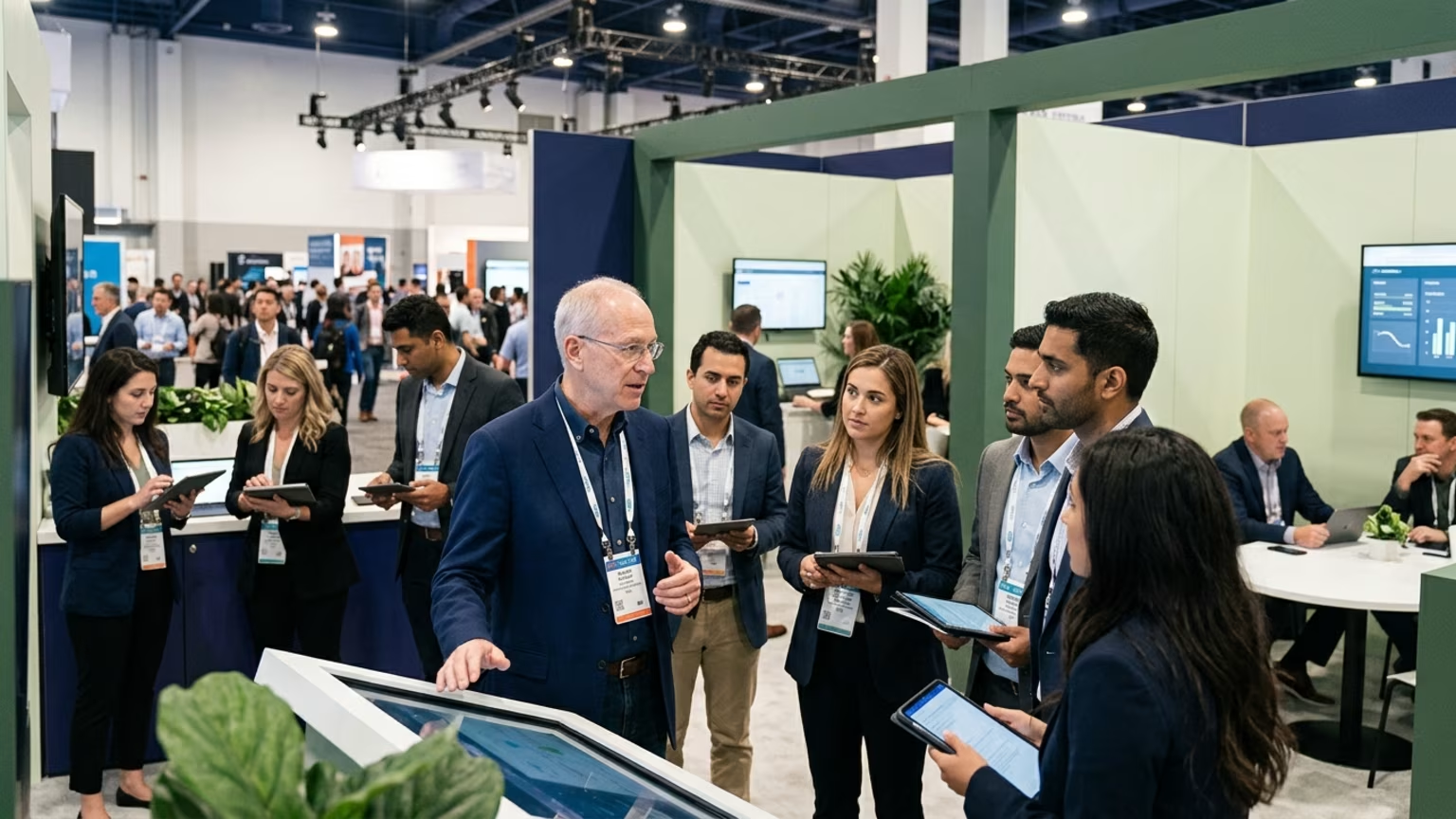
Event floors often look like crowded warehouses filled with desperate sales reps. Brands spend millions on square footage only to build intimidating fortresses. Attendees feel exhausted by cluttered signage and aggressive product pitches. This leads to poor engagement and a frustrated marketing team.
According to a recent report from the Center for Exhibition Industry Research, nearly half of young professionals walk the floor without a set plan. They engage in a pattern of physical scrolling until something stops them in their tracks. They filter fast and keep moving until a space feels relevant. If your setup creates friction, they will simply walk away.
These attendees are not actively avoiding your brand. They are just trying to process overwhelming amounts of visual information. A busy show floor creates immense cognitive overload for every single visitor. When faced with confusion, the human brain defaults to walking away.
Even in this chaotic environment, people still want to be there. More than 80 percent of young professionals plan to attend future in person events. They place immense value on real time physical engagement. They want to touch, taste, and experience products firsthand.
Bad design actively destroys this positive intent. When attendees encounter exhausting layouts, their enthusiasm drops rapidly. They stop paying attention to your premium products and just look for the exit. You must eliminate this friction to win their attention.
Many experiential marketing campaigns fail when they ignore the physical reality of the attendee. Organizers assume visitors will gladly read a dense brochure or listen to a five minute pitch. In reality, a tired buyer simply wants a fast and frictionless interaction.
Event expert Rich Vallaster suggests that organizers must adopt a layered approach to physical space. He points to theme park giants as the gold standard for moving large crowds intuitively. These parks master the art of drawing visitors in through precise sightlines and sensory cues. Your booth needs to function the exact same way.
Vallaster notes that Walt Disney paid deep attention to sights, sounds, and smells. A popcorn cart is never placed at random. It serves as a deliberate sensory nudge to pull foot traffic toward specific zones. Brands can adapt this mindset to create spaces that encourage natural human interaction.
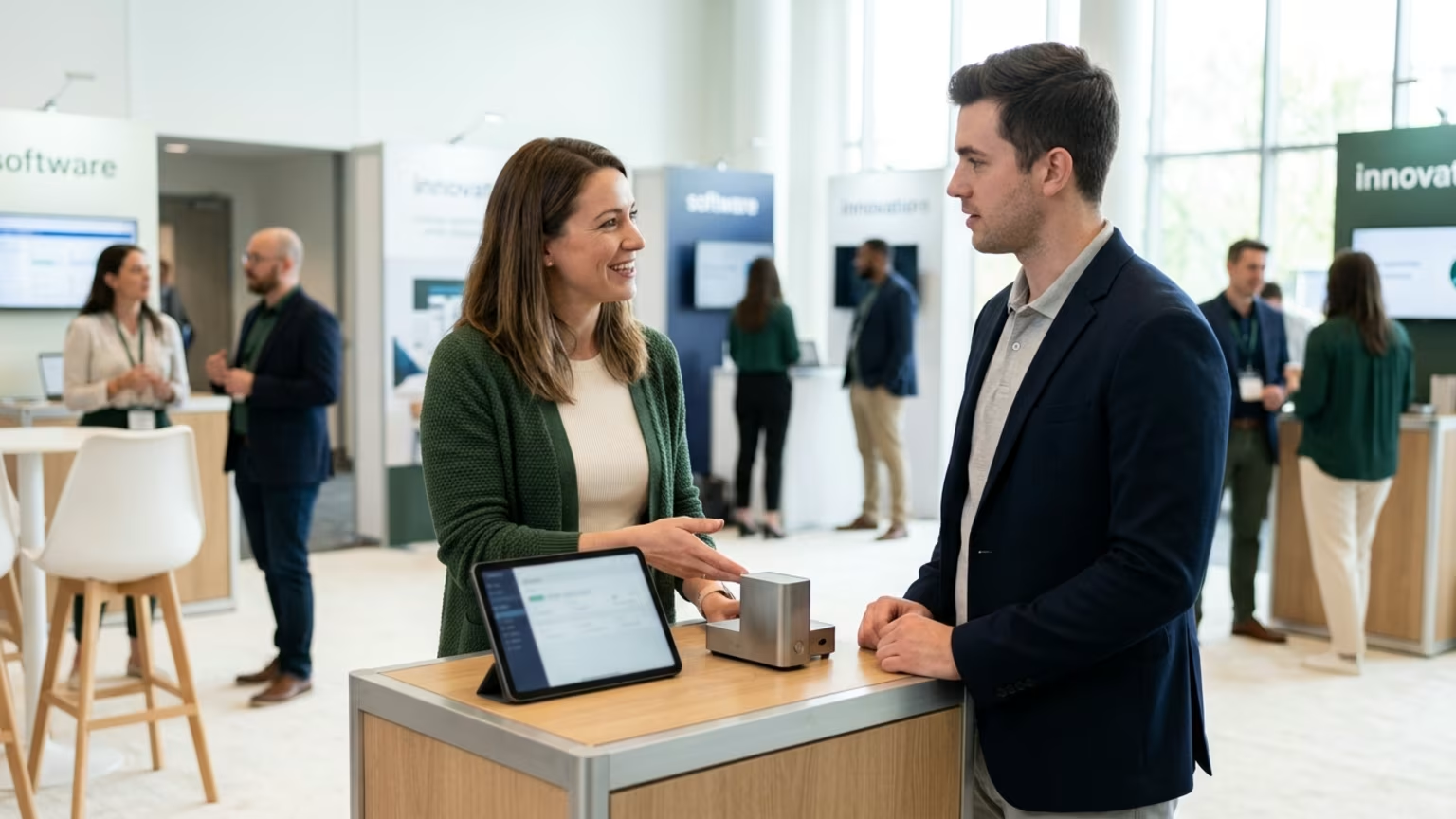
We see this working well for companies executing national mobile sampling tours. When you remove massive visual barriers, attendees feel invited rather than trapped. Clear lines of sight reveal your core product offering immediately. Digital elements then serve as a helpful layer rather than a replacement for physical wayfinding.
Major media companies are already applying these hybrid concepts. Brands like Comcast and Bloomberg are reorganizing teams to blend creative and technical roles. They want physical spaces and digital tools to work together seamlessly. Your event strategy must adopt this exact hybrid mindset to stay relevant.
Even consumer tech interfaces are borrowing from physical wayfinding principles. Amazon recently shifted its Fire TV interface to focus heavily on content curation through intuitive visual cues. When digital and physical environments share the same user friendly design language, overall engagement skyrockets. Experiential marketing relies on this exact principle to keep audiences grounded and genuinely interested.
Theme parks do not force guests to ride an attraction against their will. They create an appealing exterior that generates natural curiosity. Your event space must stop acting like a trap and start acting like an invitation.
You need a rigorous methodology to convert casual strollers into qualified buyers. This requires operator grade discipline long before the doors open. Follow this sequence to build a space that performs.
A beautiful booth means nothing without measurable pipeline attached to it. You must track specific lead and lag indicators to prove your Return on Investment. Start by measuring dwell time around your primary interactive zones. Longer physical engagement usually correlates directly with higher brand recall.
You must then monitor your trial to buy conversion rates. Track how many casual samplers become official leads through quick badge scans. Pair this data with your internal event performance dashboards. This gives leadership clear evidence of sales lift.
Look closely at the post event engagement numbers. High follow up action rates validate your approachable staffing model. When attendees download your materials after the show, you know your team struck the right balance. You want to see strong retailer confidence and measurable sales pipeline.
You can evaluate your footprint against historical performance data. Compare the lead volume from an open layout to a previously closed off design. If your specific activation falls below industry averages, your floor plan is likely failing.
Do not forget to measure staff interaction rates. A simple tally of meaningful conversations provides a solid leading indicator for future sales. Consistent daily reporting means your field marketing managers can adjust tactics instantly.
Cost per acquisition is another key metric for your overall event reporting. A poorly designed booth requires more staff and more aggressive marketing to yield results. When your layout works intuitively, your cost per lead drops significantly.
Imagine a fast growing snack company launching a new product at a massive food expo. Instead of hiding behind tables, they build a totally open footprint. They place a live cooking station at the front corner to generate irresistible aromas. This sensory nudge stops attendees immediately.
Once inside, clear visual guides direct visitors toward a relaxed tasting bar. Friendly brand ambassadors focus on casual conversations instead of forced data capture. The lack of friction keeps visitors in the space longer. When it is time to capture the lead, the process feels completely natural.
This precise execution turns a chaotic floor into a controlled environment. The brand secures high quality retailer meetings and drives measurable sell through. This is how expert warehouse and transport planning directly supports your live strategy.
Other industries are taking notice of this approach. A new playbook for sports districts in Atlanta uses real time adaptive layouts. They change their spatial design based on actual attendee flow. Event marketers can use this same logic to adjust their booth zones on the fly.
Look at YouTube and their recent live event formats. They prioritize immersive physical environments over passive viewing experiences. By making the audience part of the physical action, they dramatically increase overall participation rates.
When a beverage or food brand adopts these techniques, the results speak for themselves. You stop fighting the crowd and start guiding them effortlessly. This approach turns unpredictable live settings into highly reliable lead generation machines.
Review your upcoming floor plan today and remove at least one physical barrier blocking your main product. If you need help turning your next activation into measurable pipeline, book a strategy call with our team.

30 Years Experiential & Retail Activation Partner for CPG & Beverage Brands | Multi-Market Demos, Roadshows & Costco/Club Programs That Actually Sell