Robbie Thain
Founder, CEO

Learn how centralized vendor management and unified logistics platforms eliminate trade show chaos and help field marketing teams prove Return on Investment.
Pallets of promotional material arrive at the loading dock exactly three hours late. Your primary booth contractor is missing, your brand ambassadors are waiting, and the venue coordinator is asking for a permit you never received.
Recent updates from major event management platforms focus heavily on centralized vendor coordination and unified logistics tracking. By consolidating fragmented field operations into a single authoritative system, marketing operators can finally tie clear execution data directly to Return on Investment.
Every experienced experiential marketer knows the sinking feeling of arriving at a massive convention center. You have a detailed operations spreadsheet outlining every single vendor contact, delivery time, and staff rotation. Then reality hits the cold concrete floor. The shipping company unloads your custom sampling stations at the completely wrong exhibit hall.
This fragmented reality destroys marketing budgets and ruins carefully planned retail product launches. When marketing teams rely on isolated spreadsheets, they lose complete visibility over their physical assets. Vendor communication becomes a chaotic mess of unanswered text messages and frantic phone calls. This severe lack of control makes it nearly impossible to measure the true financial impact of your physical brand activations.
Trade shows and massive industry expos create a very unique type of operational friction. Marketing operators arrive with high hopes and beautifully rendered booth concepts ready for the crowds. They expect eager attendees to flock to their sampling stations and engage with their highly trained brand ambassadors. Then the massive venue doors open and the harsh physical realities of the space simply take over.
The intense pressure falls directly on the field marketing managers and brand directors. They must fix these constant logistical failures and actively try to maintain a premium consumer brand image. A smiling brand ambassador cannot sell a new organic snack if the actual product never arrives. The lack of centralized visibility quickly turns expensive marketing campaigns into highly stressful recovery missions.
We have executed over 1000 campaigns across all 50 states, bringing brands to life in every major U.S. market. From retail demos in Seattle to roadshows in Miami and events in Honolulu, our teams activate brands wherever our clients' audiences are located. We have seen firsthand exactly how fractured vendor management destroys campaign profitability and exhausts great field staff.
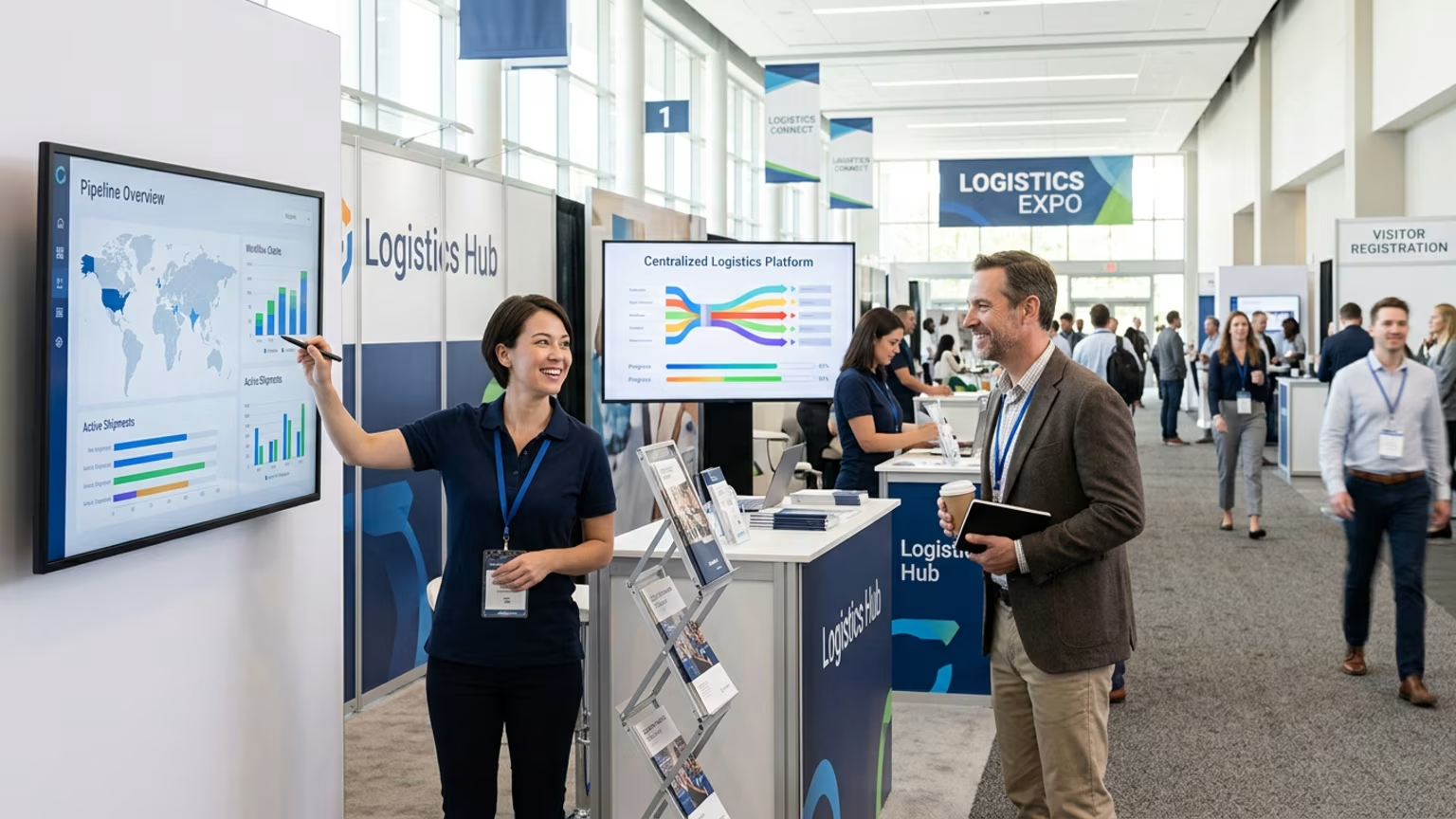
The industry is finally acknowledging the extreme financial cost of disconnected event planning and poor logistics. Major software providers are releasing new guidance on platform updates that centralize vendor management and onsite operations. This necessary shift treats field marketing not just as an art form but as a highly trackable operational science. Centralizing your logistics means bringing your shipping data, contractor agreements, and staff schedules into one unified system.
This strategic approach removes the constant guesswork from field operations and complex venue coordination. Marketing operators build a single verifiable source of truth for every physical brand activation they launch. Every permit status, delivery receipt, and staffing roster lives securely in an easily accessible digital hub. This proven strategy prevents costly miscommunications between internal brand teams and external logistics contractors.
A completely centralized system allows marketing directors to focus heavily on actual consumer engagement and brand building. When your field team stops chasing missing pallets, they start having real, productive conversations with attendees. Better operational control directly supports teams that rely on logistics playbooks for high return trade show executions. They stop fighting constant administrative fires and start driving actual product trial and measurable market awareness.
Unified event tracking also drastically improves compliance with complex venue regulations and local health department permits. Food and beverage brands must strictly adhere to complex sampling guidelines at every major convention center expo. A centralized platform guarantees all required documentation is readily available for unexpected health inspectors. This highly proactive stance eliminates the serious risk of an activation getting completely shut down before it even begins.
A massive disconnect often exists between the corporate marketing office and the physical event execution team. The internal brand team spends months developing the perfect promotional messaging and securing the right vendor contracts. The field team then inherits a massive binder of unstructured notes and conflicting vendor schedules just days prior to the event. This pre event communication gap is precisely where expensive logistical breakdowns frequently originate and multiply.
Platform updates in the event management space aim to completely eliminate this dangerous information gap. Centralizing vendor capabilities allows the brand managers to tag their field operators on specific delivery milestones. If a custom sampling cart receives a shipping delay notification, the entire execution team sees that critical alert simultaneously. This transparent communication model completely prevents the field manager from walking blindly into an absolute logistical nightmare.
Unified data also prevents embarrassing financial oversights regarding onsite services and complex venue requirements. Convention centers are notoriously strict regarding dedicated union labor rules, electrical permits, and specific trash removal guidelines. When marketing managers store all venue service contracts in one accessible location, field leaders avoid unexpected premium charges. Your team will never again pay triple the standard rate simply when someone forgets to submit an electrical permit on time.
The absolute peace of mind that comes with shared operational data allows field teams to perform at their highest level. A stressed brand ambassador worrying about missing product samples will naturally deliver a very poor consumer experience. A well supported ambassador, knowing the exact status of their resources, projects absolute confidence and brand authority. This confidence directly translates to higher engagement rates and much stronger retail conversion numbers on the show floor.
Moving from a chaotic spreadsheet method to a centralized operational framework requires immense organizational discipline. You must aggressively train your experiential teams to follow a rigid protocol long before the actual event begins. True success on the busy show floor relies almost entirely on your pre event operational preparation.
This highly disciplined execution protocol mirrors the very best practices found in contingency planning frameworks for bulletproof field logistics. The primary goal is total, unquestionable visibility across your entire event footprint at all times. Your brand ambassadors and field managers must know exactly where to find their specific activation tools. When logistics run smoothly, your physical brand presentation remains incredibly sharp, inviting, and professional.
Field managers must document every single vendor interaction during the actual load in process. When the electrical team arrives to wire the custom tasting station, the manager notes the exact completion time in the system. If the designated union labor team takes an unexpected break, the delay is immediately recorded and timestamped. This aggressive documentation protects the brand from fraudulent post event billing and unjustified service charges.
Proper event staging and centralized tracking allow your team to capture consumer attention immediately. They are not distracted by missing vinyl banners, broken AV equipment, or delayed sample products. This extremely high level of readiness sets the perfect stage for meaningful retail conversions and lasting brand loyalty. Every single minute saved on logistics is another valuable minute spent building profitable consumer relationships.
Marketing leaders face constant intense pressure to prove that expensive live activations lead to actual sales lift. A centralized logistics approach gives you the precise operational data needed for highly accurate financial reporting. You cannot calculate true campaign profitability if you do not know your exact operational costs. Tracking the correct performance metrics separates successful brand operators from those who just throw highly expensive parties.
Start by closely tracking your lag metrics to clearly understand the final long term business impact. Calculate your total actual cost per engagement by dividing your entire activation budget by the number of meaningful interactions. Measure your post event sales pipeline contribution and your direct retailer sell through rates. These specific hard numbers tell the executive board exactly what the brand gained from the physical activation.
Lead operational metrics give your team the necessary power to adjust their approach as the event is happening. Monitor specific vendor on time delivery rates and the percentage of completed field team check ins. Track the raw volume of products sampled per hour compared to overall foot traffic estimates. Catching operational delays early allows you to correct the course rapidly and protect your event budget.
Operational efficiency metrics provide absolute clarity on your internal team coordination and overall performance. Track the exact time it takes to resolve a vendor dispute or locate a missing product shipment. These specific data points highlight areas where your field staff need much better training or immediate support. If you want to refine this approach further, learn exactly how to scale field teams for trade shows and maintain quality.
Consider a growing national beverage brand launching a new sparkling water line at a massive international food expo. The marketing director previously relied on five totally different vendors managing entirely separate pieces of the brand activation. Their past events suffered heavily from delayed product deliveries, disjointed staff training, and confusing booth layouts. They intelligently decided to implement a completely centralized logistics framework for their highly anticipated new launch.
The brand aggressively consolidated their storage, shipping, and staffing data into a single, unified operational dashboard. The lead field manager tracked the exact physical location of the custom tasting bars in real time. When a severe highway shipping delay threatened the morning rollout, the team saw the digital alert instantly. They rapidly shifted their staffing rotations and prepared a secondary backup sampling station without missing a beat.
This exact level of absolute control turned a potential PR disaster into a highly successful product debut. The beverage brand captured hundreds of highly qualified leads and successfully secured three major national retail meetings. The clear, centralized data integration made their post event sales follow up incredibly fast and remarkably accurate. To achieve this exact level of operational precision for your next consumer event, simply book a strategy call with our operations team.
The executive board quickly recognized the massive financial benefit of this disciplined operational approach. Marketing leadership no longer had to constantly defend vague event budgets or poorly documented field expenses. They presented a highly accurate operational dashboard showing exact logistics costs compared to qualified retail leads generated. The clear financial transparency secured full budget approval for their upcoming national experiential marketing calendar.
The unified operational approach allowed the smart brand to transition their trade show presence into a regional mobile tour. They utilized the exact same logistics data to smoothly route their physical assets to local retail locations. This incredibly fluid movement from major convention centers to localized retail spaces maximizes the total value of every physical asset. They successfully and highly profitably linked their massive trade show presence to high conversion roadshows across the entire country.
Stop letting scattered vendor logistics, fragmented communication, and missing freight dictate your overall event success. Absolute operational control is the only true solid foundation for experiential campaigns that actually command consumer attention and convert. Build a central system that clearly works, demand total operational visibility, and completely turn every physical activation into proven revenue.
No external sources were directly cited in this guide.

30 Years Experiential & Retail Activation Partner for CPG & Beverage Brands | Multi-Market Demos, Roadshows & Costco/Club Programs That Actually Sell