Robbie Thain
Founder, CEO

Anthropic's $400K event job posting proves the AI sector is treating experiential marketing as a core growth strategy. Learn how to adapt this playbook.

Throwing more money at digital ads is the fastest way to shrink your market share. Silicon Valley giants are now betting their largest budgets on human interaction in physical spaces instead. Anthropic recently posted a massive event leadership job to prove it.
The artificial intelligence sector is aggressively poaching top experiential talent from the consumer goods industry to turn abstract technology into tangible pipeline. High-salary job postings signal that field operations are no longer a tactical expense but a core growth strategy for leading brands.
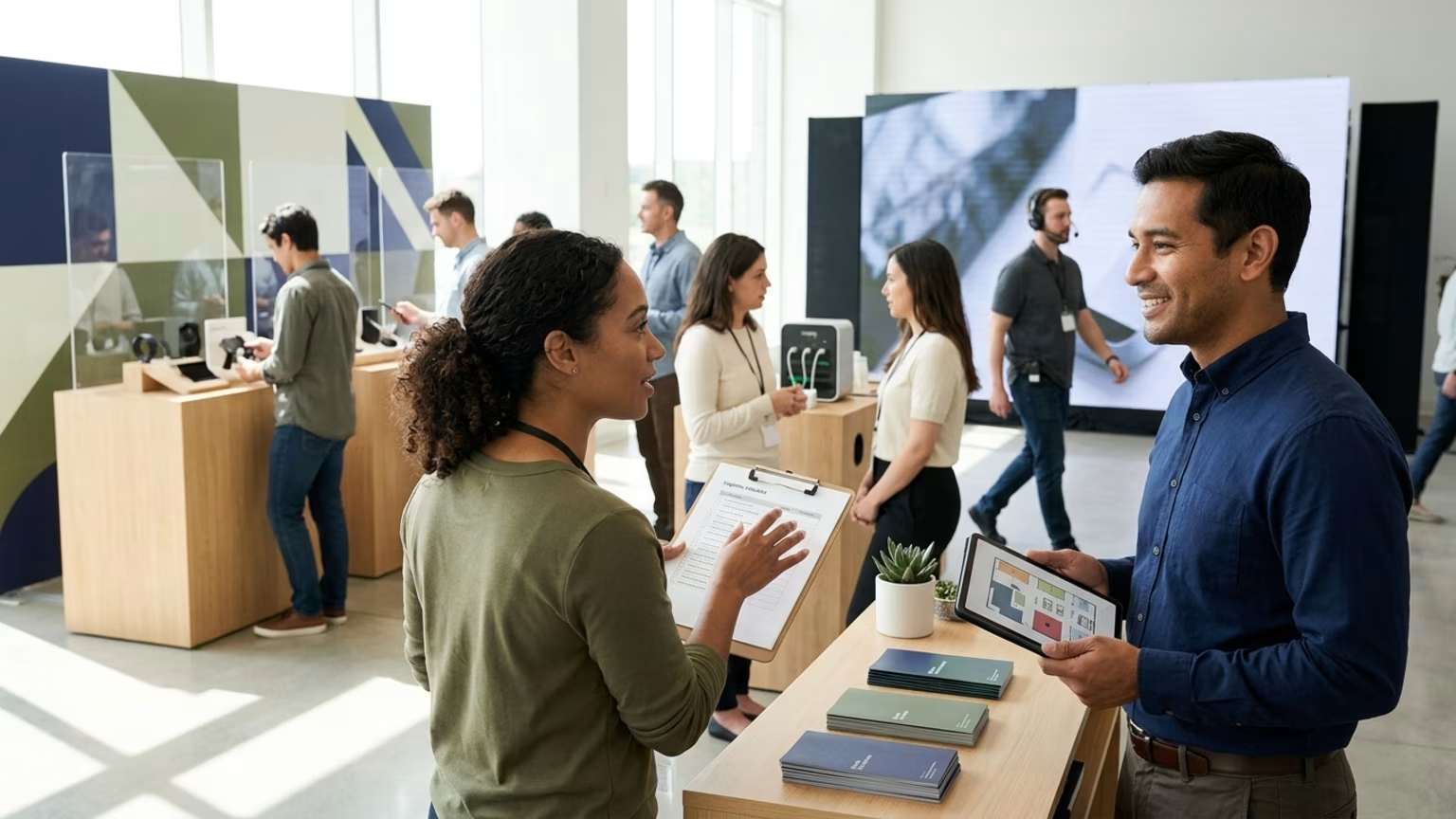
You can pay an event director a massive salary and still end up with a complete disaster on the trade show floor. The reality of live events is often a chaotic mix of missing freight, unengaged brand ambassadors, and visitors who only want free merchandise. Many companies invest heavily in booth design but fail to plan for the unpredictable nature of human traffic. Staffing inconsistencies regularly cause major delays and missed opportunities during peak business hours.
The most advanced technology companies are learning this lesson the hard way. Skift Meetings reports that forty percent of recent technology activations failed their Return on Investment benchmarks. Teams focused entirely on flashy product demonstrations without building a system to track real sales conversions. High pay might signal an urgent need for talent, but burnout currently hits over a third of event leads in the technology space.
This chaos is exactly what consumer packaged goods brands face during retail rollouts and national samplings. When a major food brand launches a new product, fragmented execution can completely ruin the campaign. You need a disciplined operator who understands how to manage complex logistics and keep the brand message intact. The gap between a beautiful rendering and a functional trade show footprint is where budgets go to die.
Even with massive budgets, execution remains highly fragmented across the industry. Firms report regular event delays stemming directly from staffing inconsistencies and poor local planning. This echoes the exact pain points seen in fast moving consumer goods operations.
The smartest companies are shifting their focus from simple brand awareness to measurable trial and conversion. Skift Meetings notes that the artificial intelligence sector allocated nearly thirty percent more budget to live events this coming year. Total industry investment reached two and a half billion dollars as companies recognized the need for physical trust building. This mirrors the exact playbook used by premium beverage and snack brands for decades.
You cannot build trust without putting a physical product or experience directly into the hands of your consumer. Experts point out that technology leaders are hiring consumer goods event professionals to replicate the success of retail sampling. Rachel Wimberly notes that these leaders know trial and error experiences convert skeptics into buyers. This is the precise reason event measurement before launch separates profitable campaigns from expensive mistakes.
Anthropic issued an internal memo stating that events must deliver a measurable lift in adoption and partner confidence. They are demanding more than just buzz from their highly paid field teams. This requires a strategy that treats the event floor as a highly controlled sales environment rather than a party. Every single touchpoint must be engineered to capture qualified leads and move them through the pipeline.
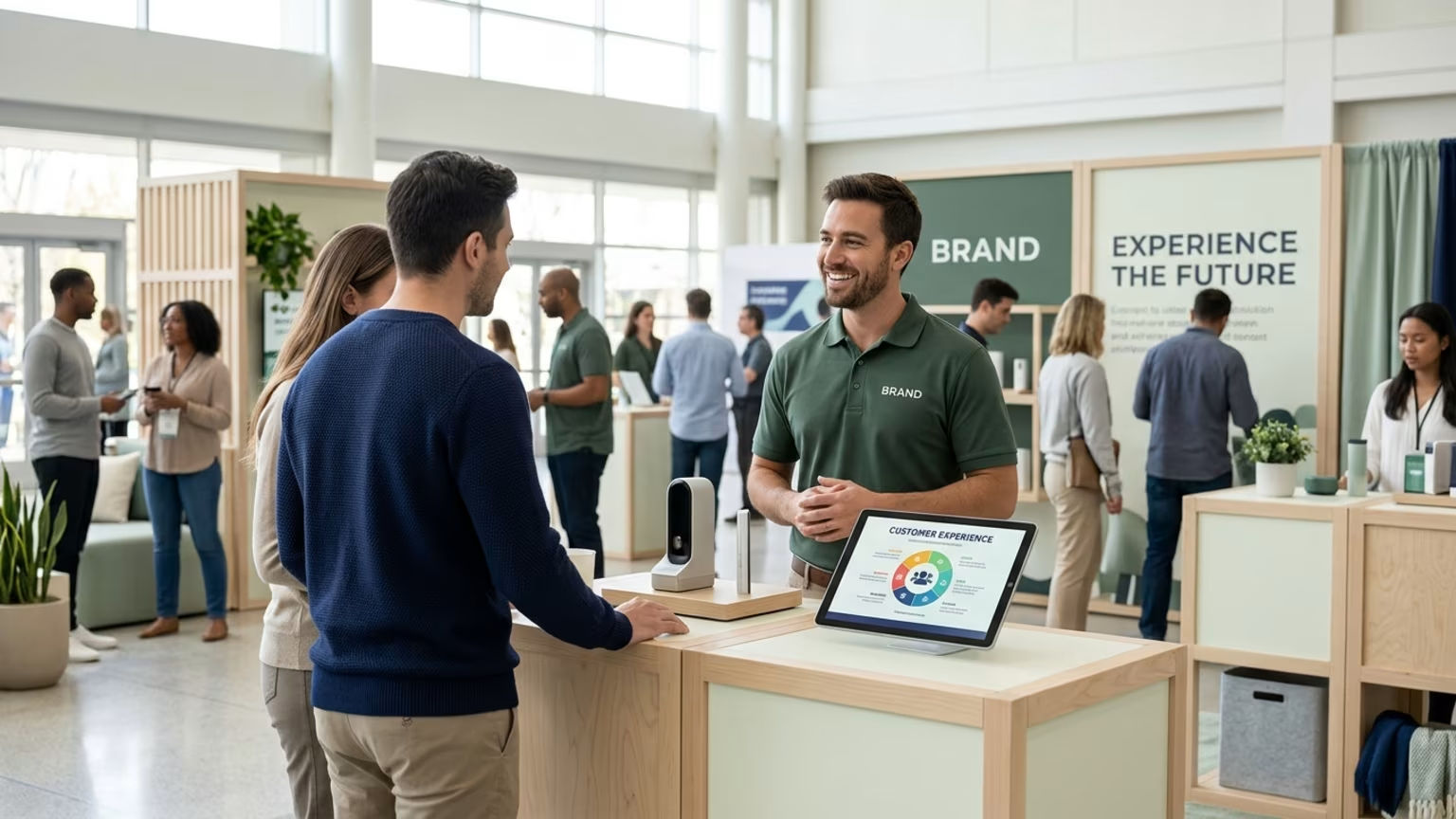
We build festival zones, premieres, and pop-ups that turn viewers into fans and fans into advocates. We design moments people want to share, using music tie-ins, screenings, and live stunts to bring stories to life. Our crews simultaneously manage execution and track reach and response metrics. This same methodology applies whether you are sampling a new sparkling water or demonstrating enterprise software. The core principle is turning passive audiences into active participants.
You need a systematic approach to turn chaotic trade show traffic into a predictable revenue stream. High performing teams do not rely on luck or last minute heroism to get the job done properly. They follow strict operational guidelines that dictate everything from pre event marketing to post show follow up. Here is a step by step guide on how top operators execute large scale activations.
Implementing this playbook reduces the risk of operational failure significantly. Having a contingency plan for onsite operations keeps minor hiccups from becoming public disasters. You must train your field staff to act as a direct extension of your sales team. This turns an expensive physical presence into a highly efficient lead generation engine.
Your executive team does not care how many people walked past your booth or took a photo. They want to see clear financial evidence that the event generated actual sales pipeline. Measuring success requires tracking specific lead and lag indicators that tie directly back to revenue. Vanity metrics are the enemy of an accountable field marketing operation.
The true standard for success is a trial to purchase conversion rate above twenty percent. You should look for a retailer net promoter score increase of at least fifteen points following a major activation. Tracking these exact figures justifies budget increases and proves the absolute value of your field team. A unified event reporting dashboard gives your entire organization visibility into these core numbers.
Leading indicators include the number of high intent conversations logged and the immediate engagement rate with post event outreach. Lag indicators encompass closed won revenue, retail sell through velocity, and long term customer retention. If your experiential strategy cannot produce these metrics consistently, you are just throwing a very expensive party.
It is time to treat live events with the same analytical rigor as your top performing digital channels. If you are tired of weak reporting and fragmented logistics holding back your brand, book a strategy call with our team today. We can help you build an attribution model that stands up to executive scrutiny.
The convergence of software and physical consumer goods is happening rapidly across the live event landscape. Skift Meetings reports that thirty percent of recent event marketing hires in the artificial intelligence sector came directly from beverage and consumer goods backgrounds. A prominent example is the aggressive recruitment of activation leads from brands like Red Bull. These professionals understand how to scale physical operations across highly fragmented environments.
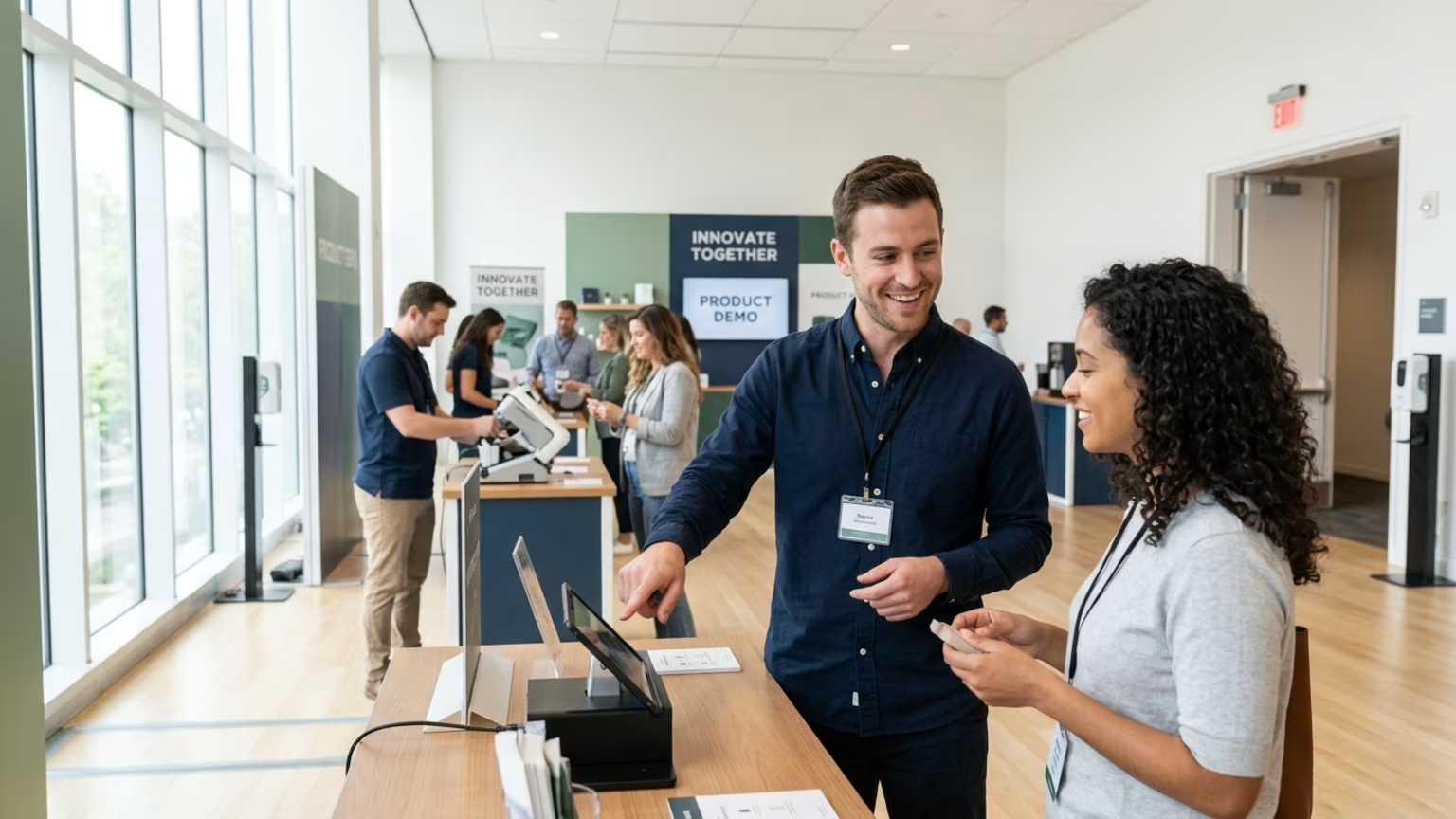
Technology companies are spending billions on hybrid experiential events to prioritize in person trial. They are setting up massive demonstration pop ups that mimic the exact mechanics of a Costco roadshow. Industry sources suggest that future technology expos will draw tens of thousands of attendees specifically for these hands on demonstrations. The goal is to let enterprise buyers test complex tools in a low pressure physical environment.
The exact salary figures are debated, with some arguing that Bay Area compensation packages are inflated by high living costs. Adjusted nationally, these senior roles still command nearly three hundred thousand dollars a year. This massive financial commitment proves that in person engagement is the ultimate competitive advantage right now. Brands that master physical field operations will dominate their respective retail categories.
The noise of the modern market pushes many leaders toward safe and entirely digital campaigns. Yet the most advanced companies are quietly returning to the physical spaces where real trust is built. A beautifully executed event leaves an impression that no algorithm can ever replicate. The real advantage belongs to those who still know how to look their customers in the eye.

30 Years Experiential & Retail Activation Partner for CPG & Beverage Brands | Multi-Market Demos, Roadshows & Costco/Club Programs That Actually Sell